THE LAST OF THE SOVIETS
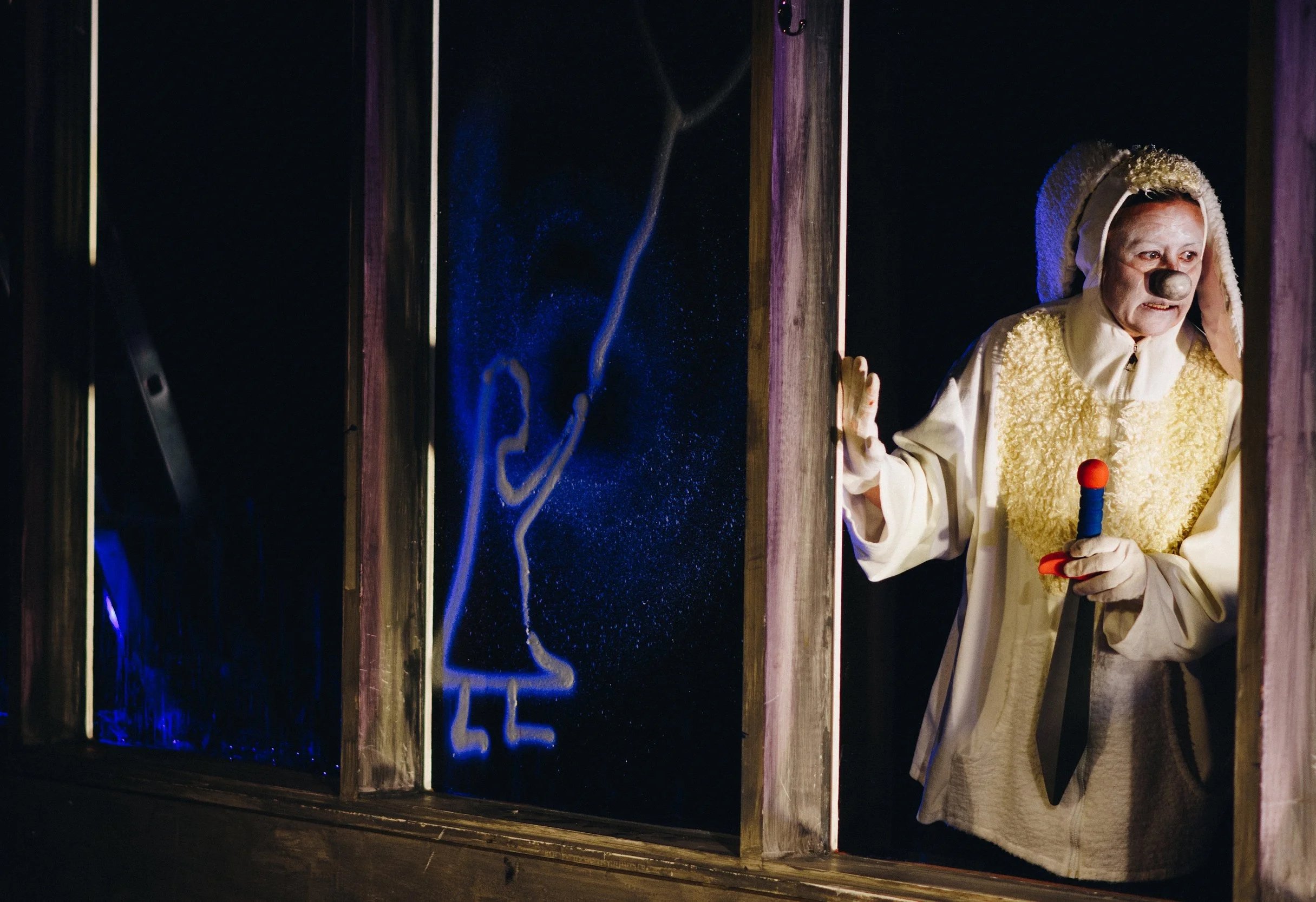
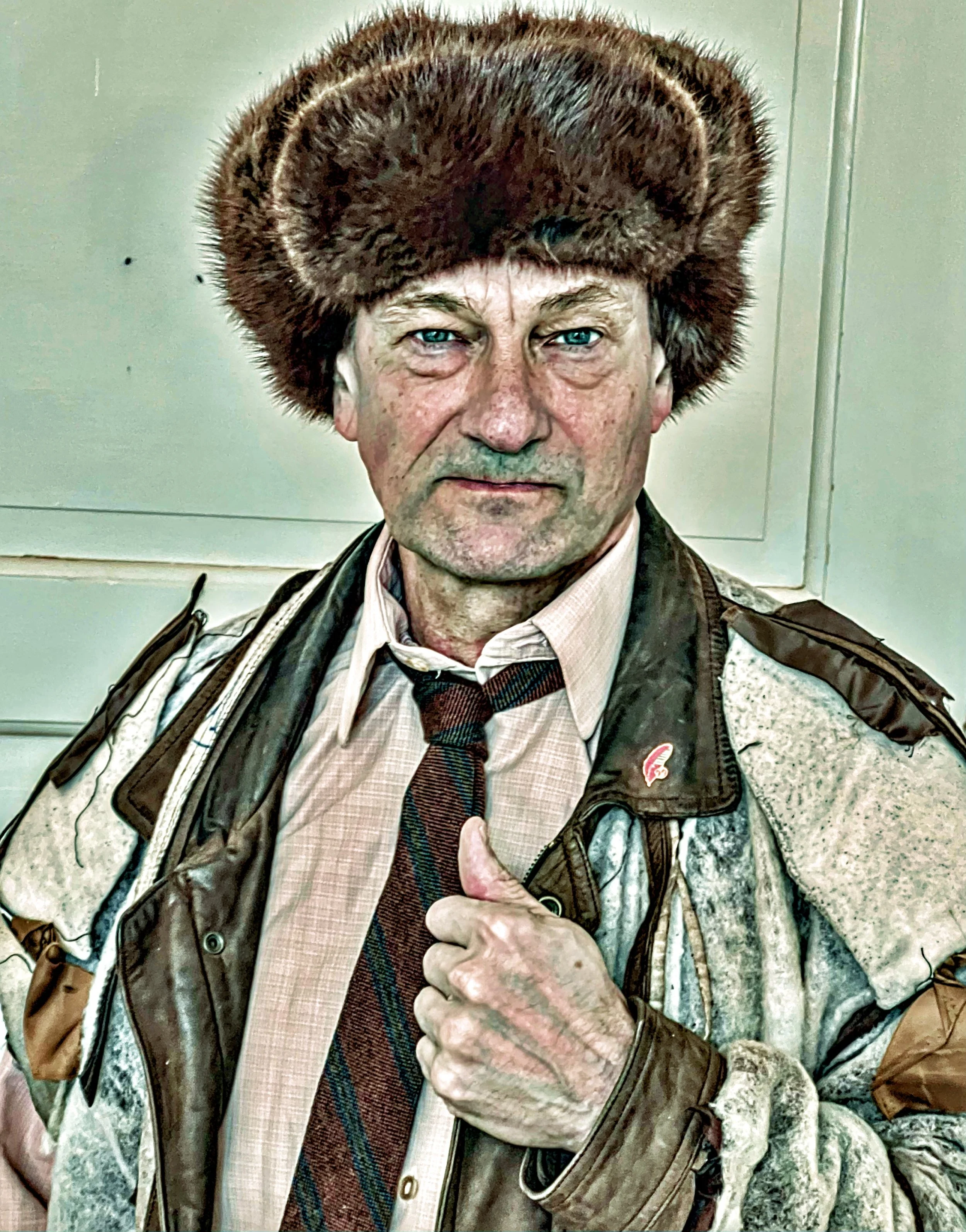
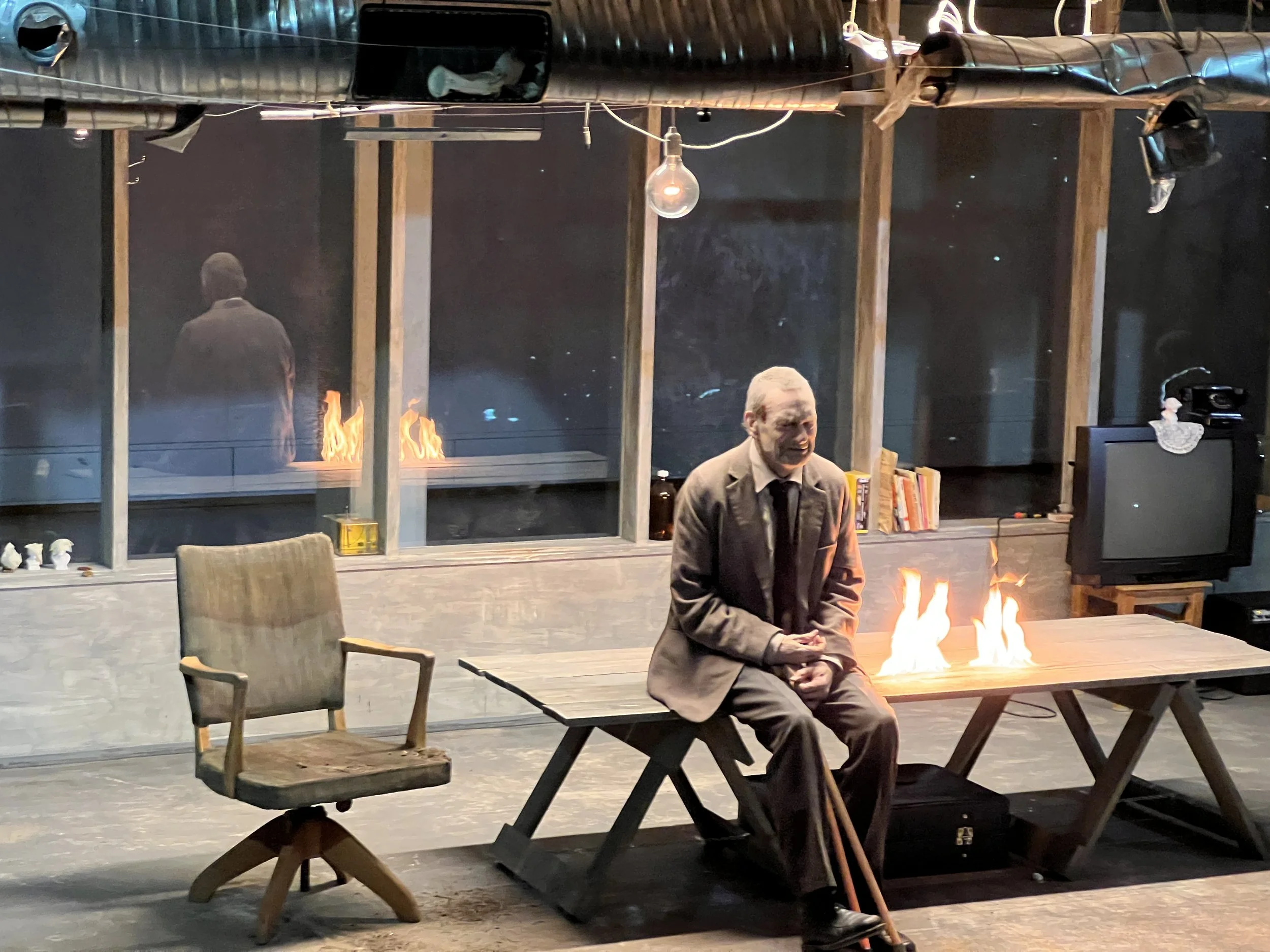
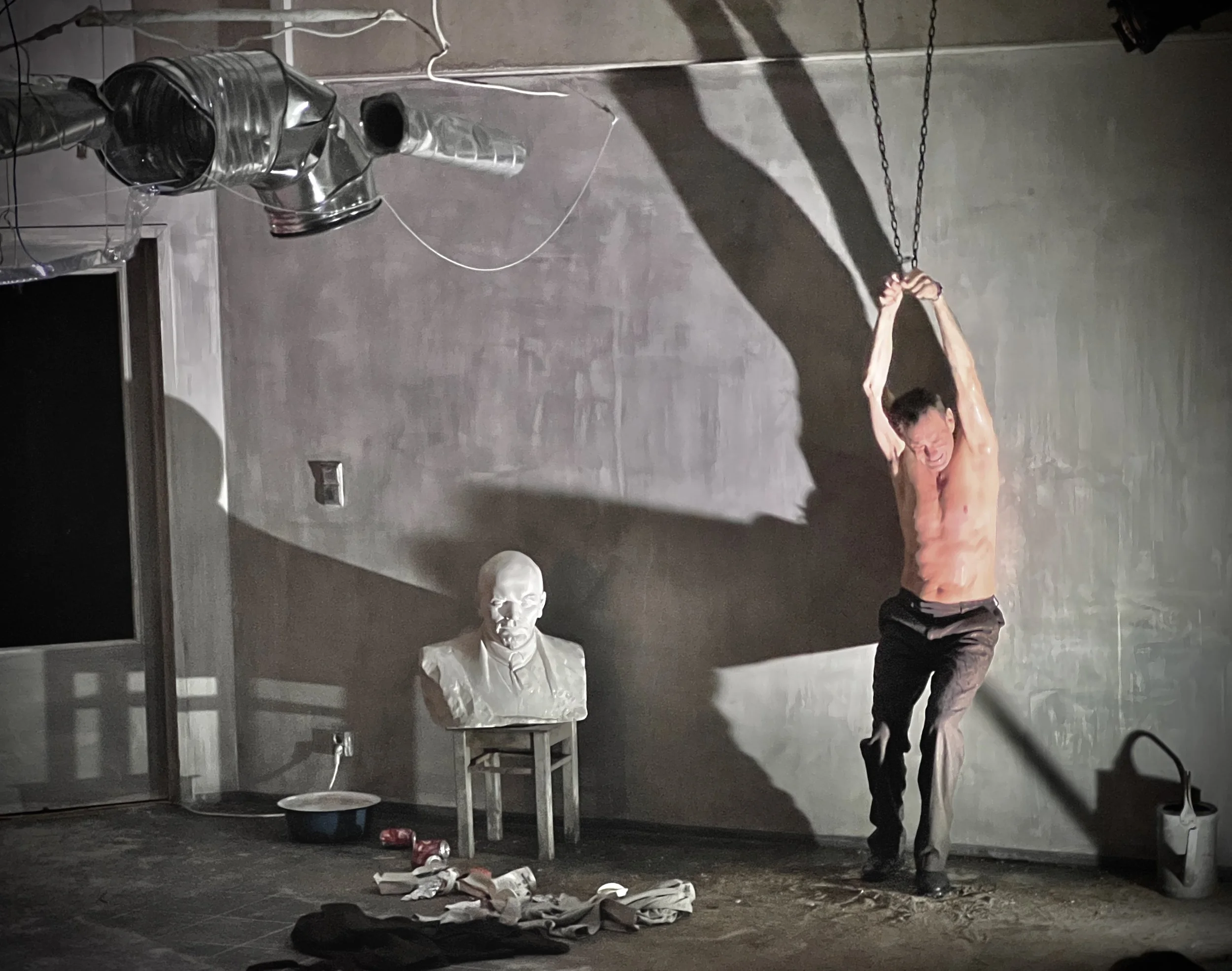
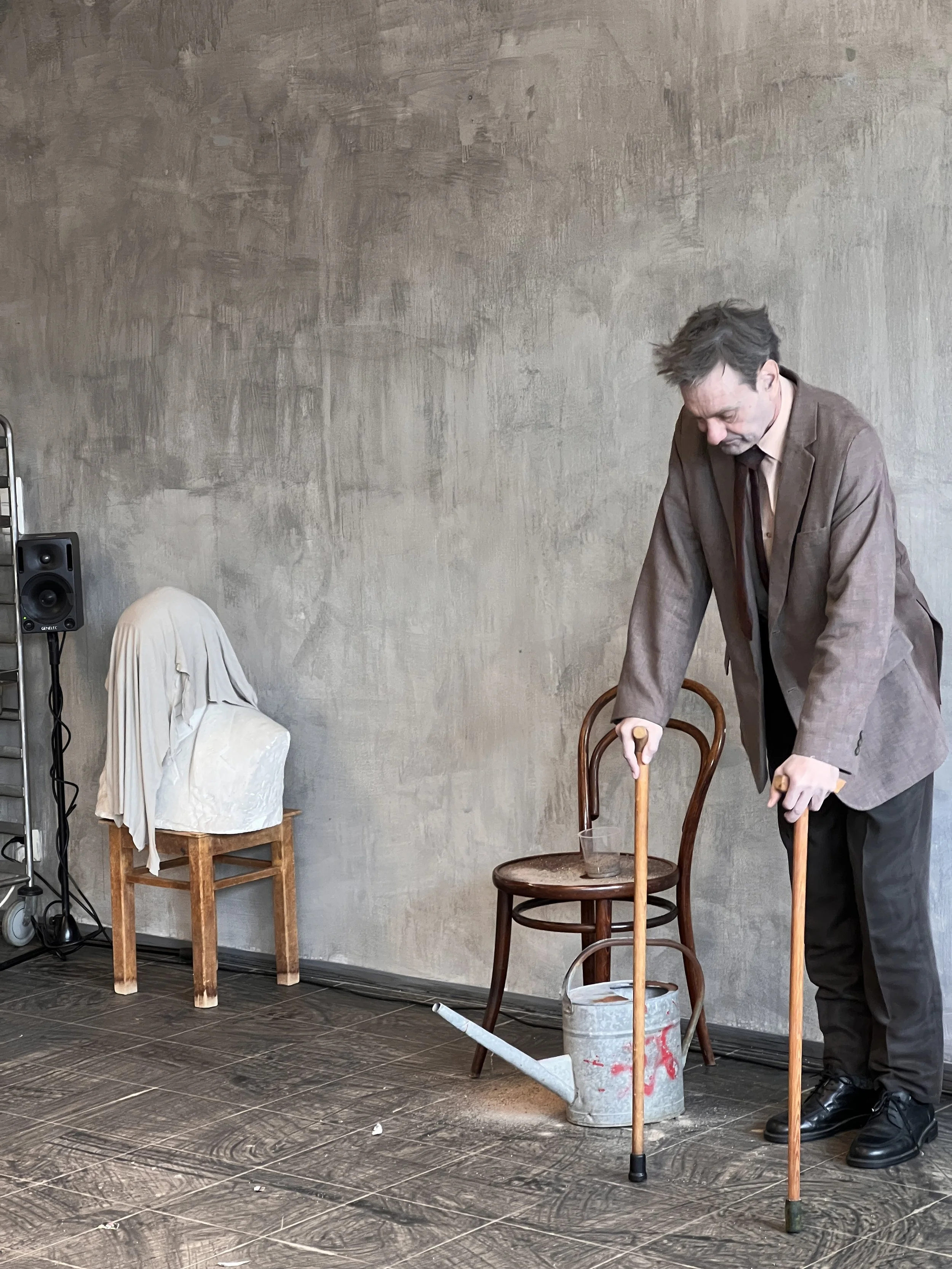
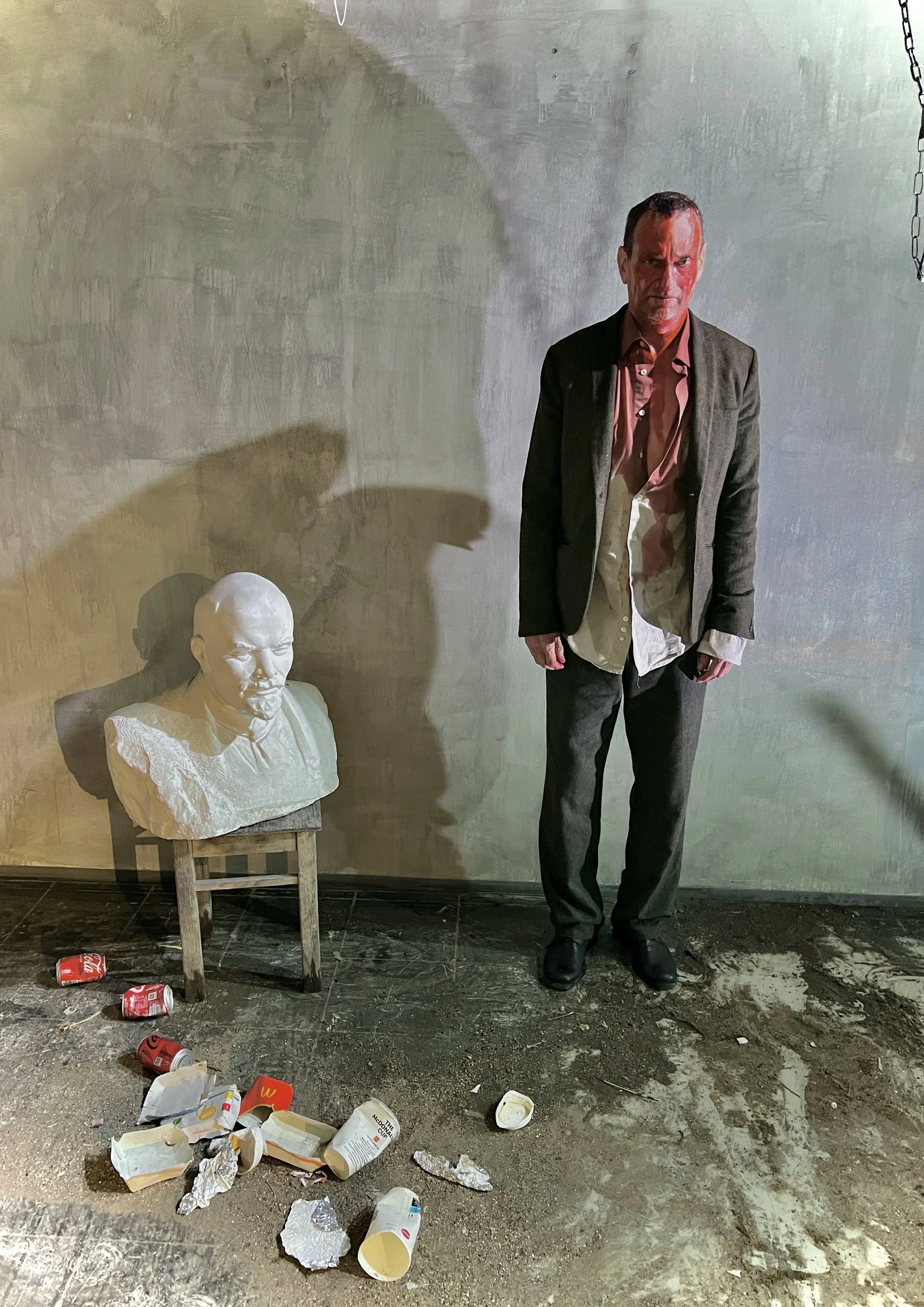
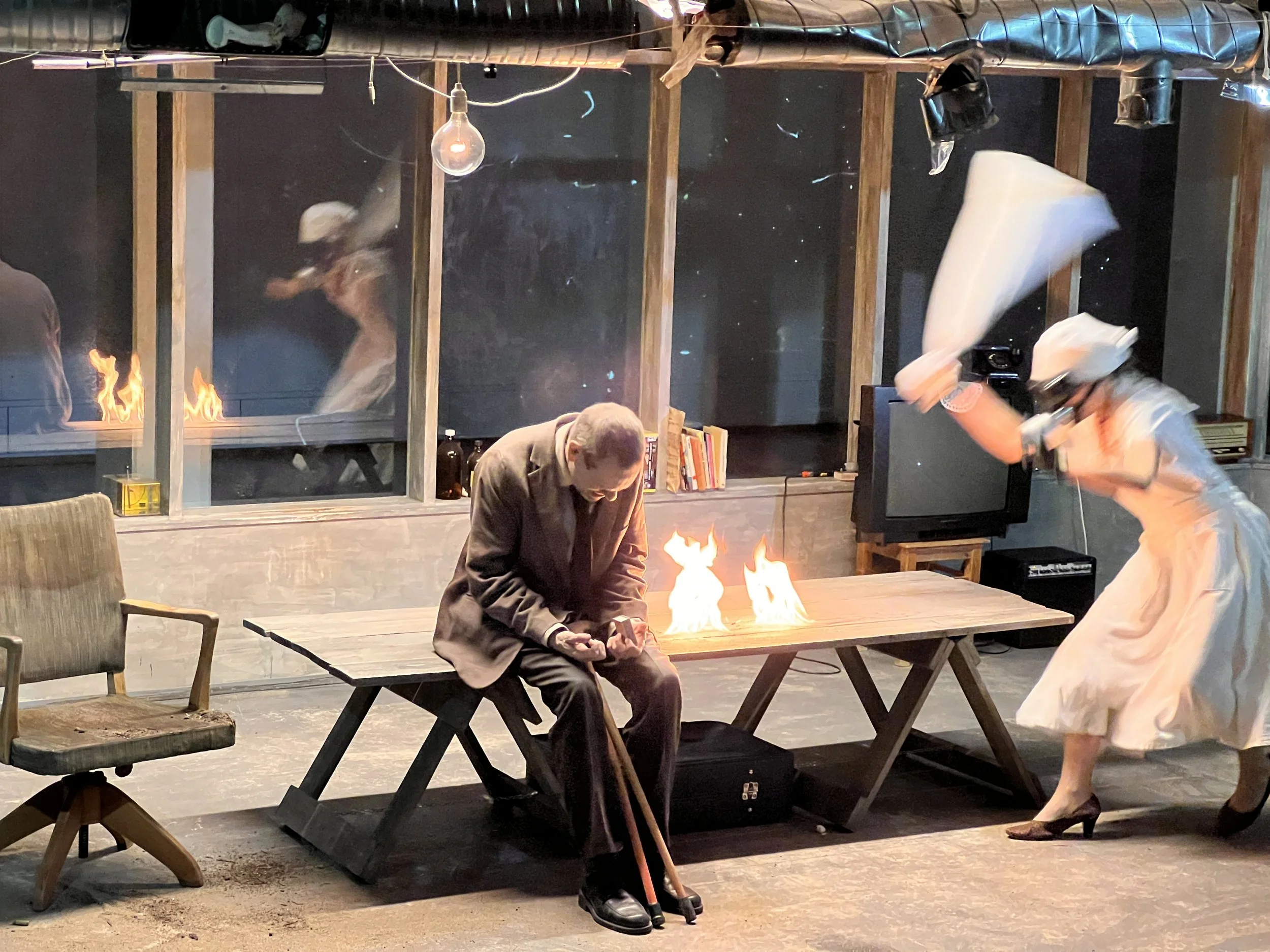
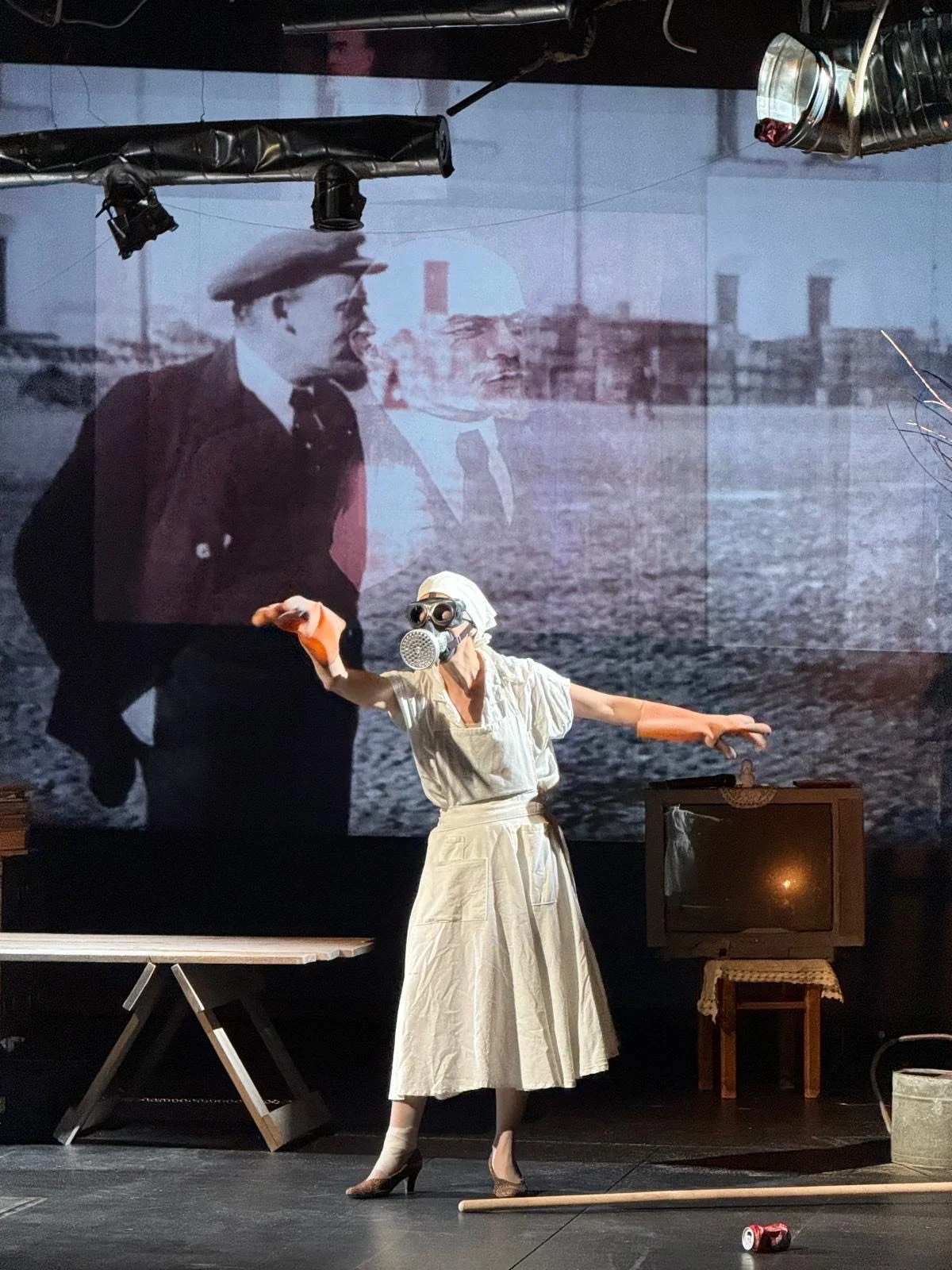
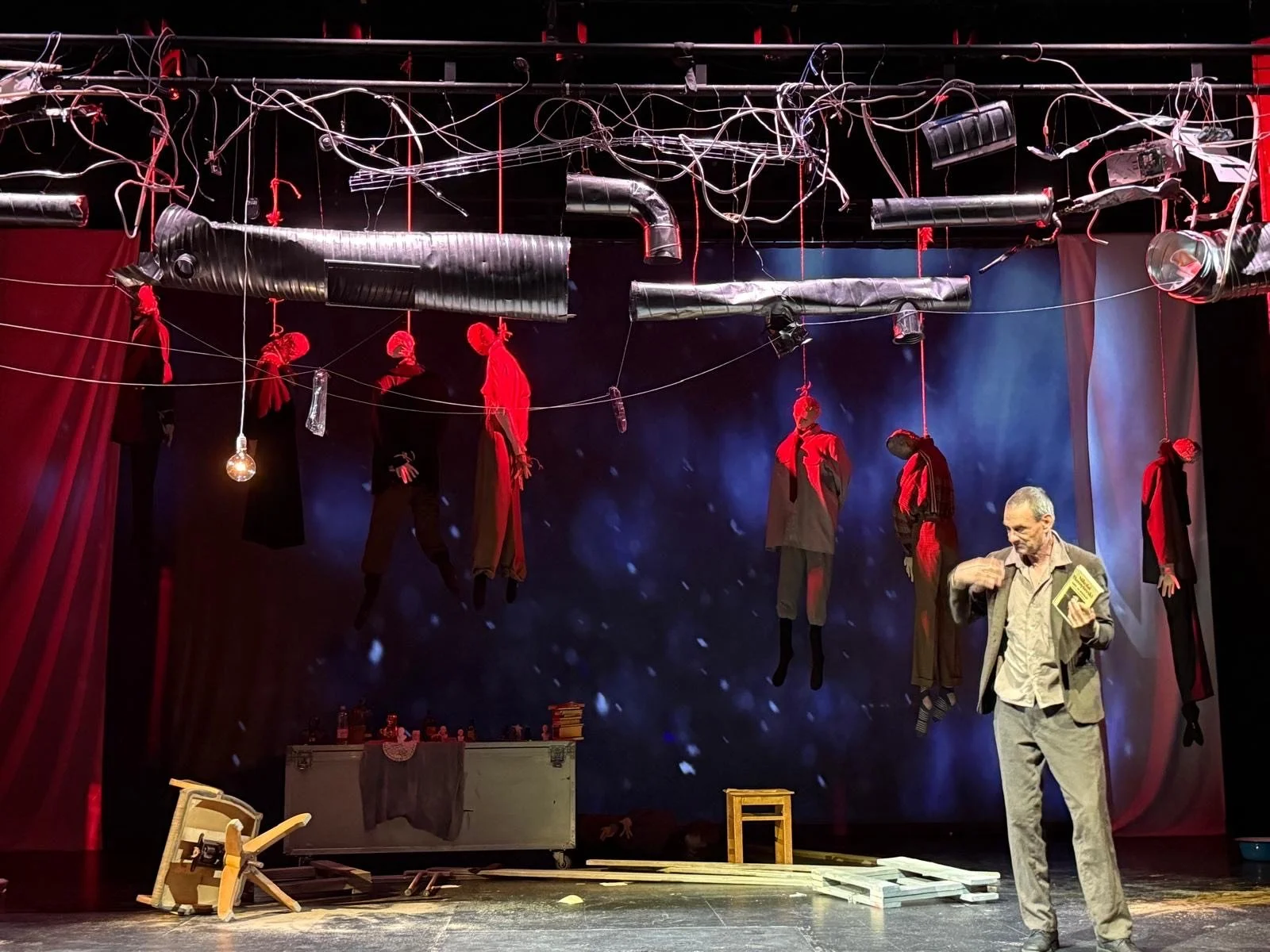
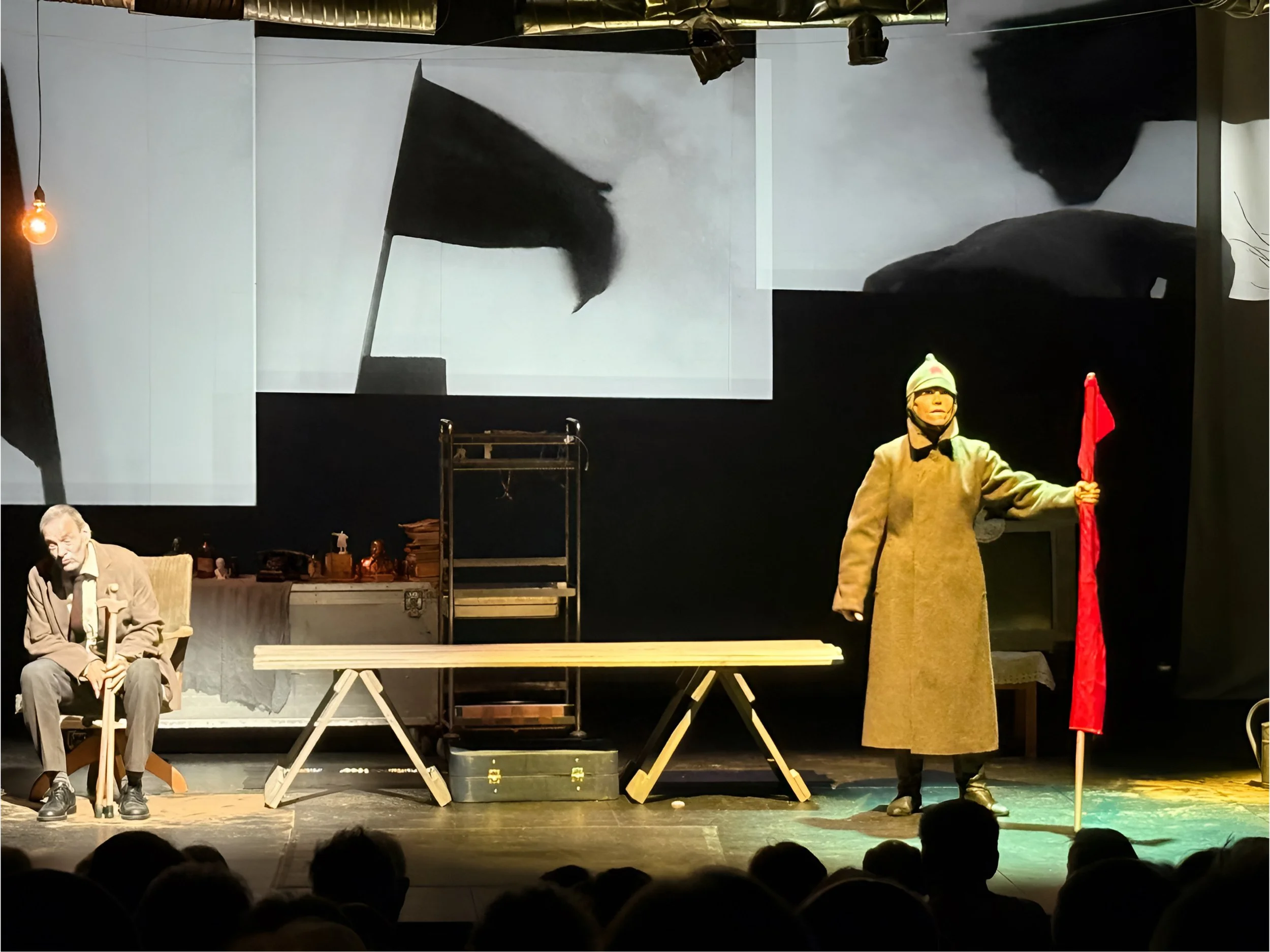
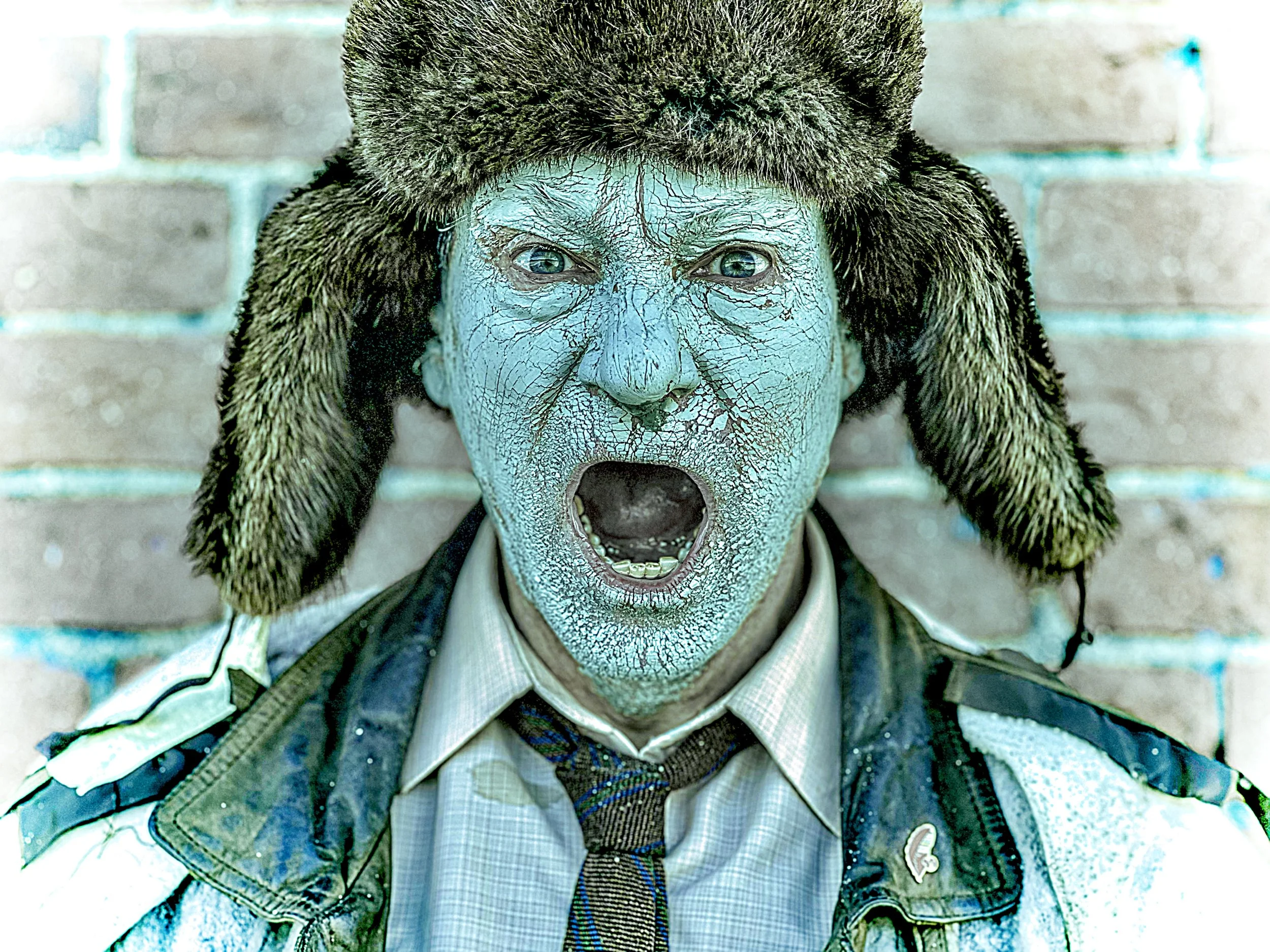
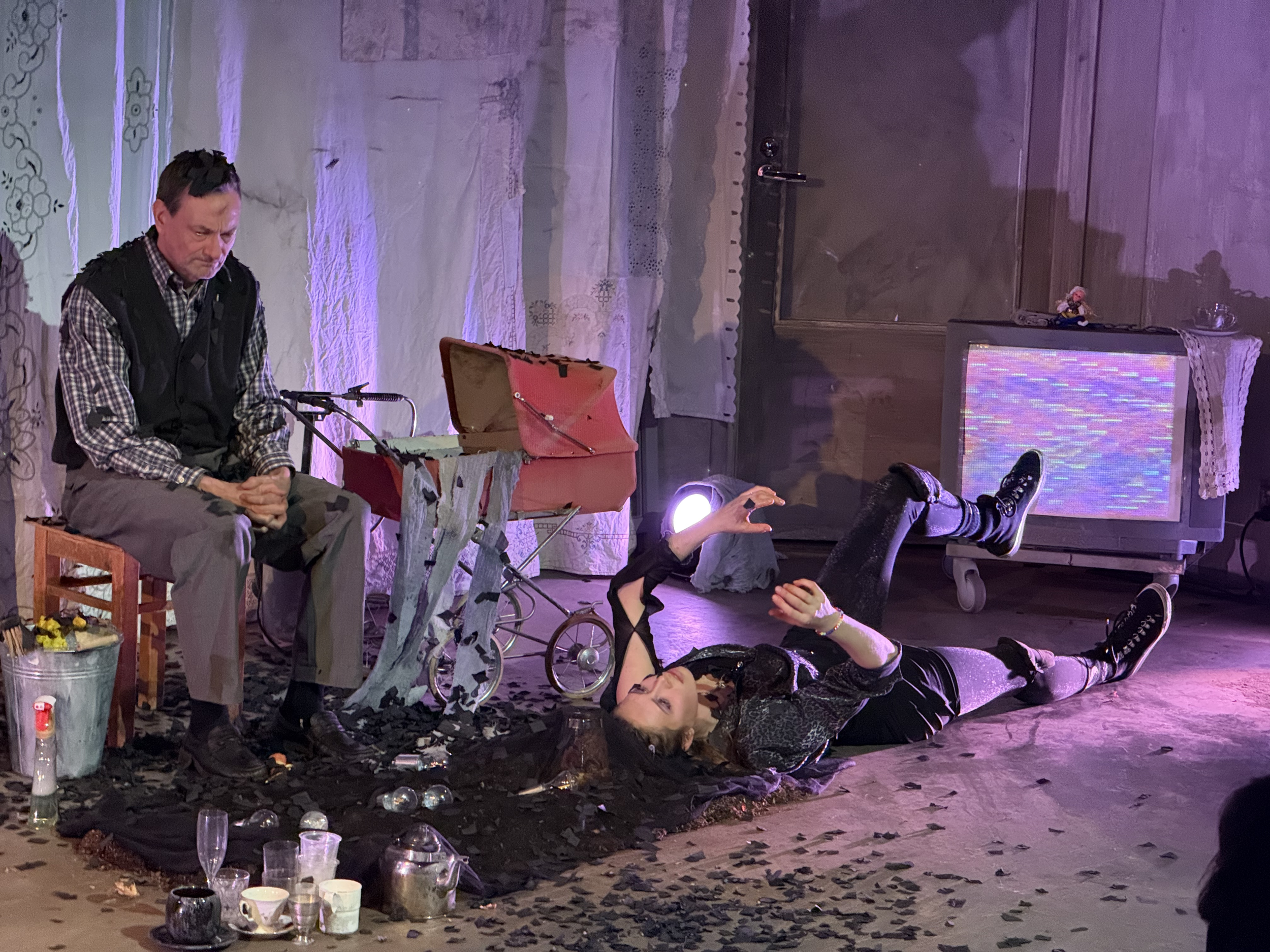
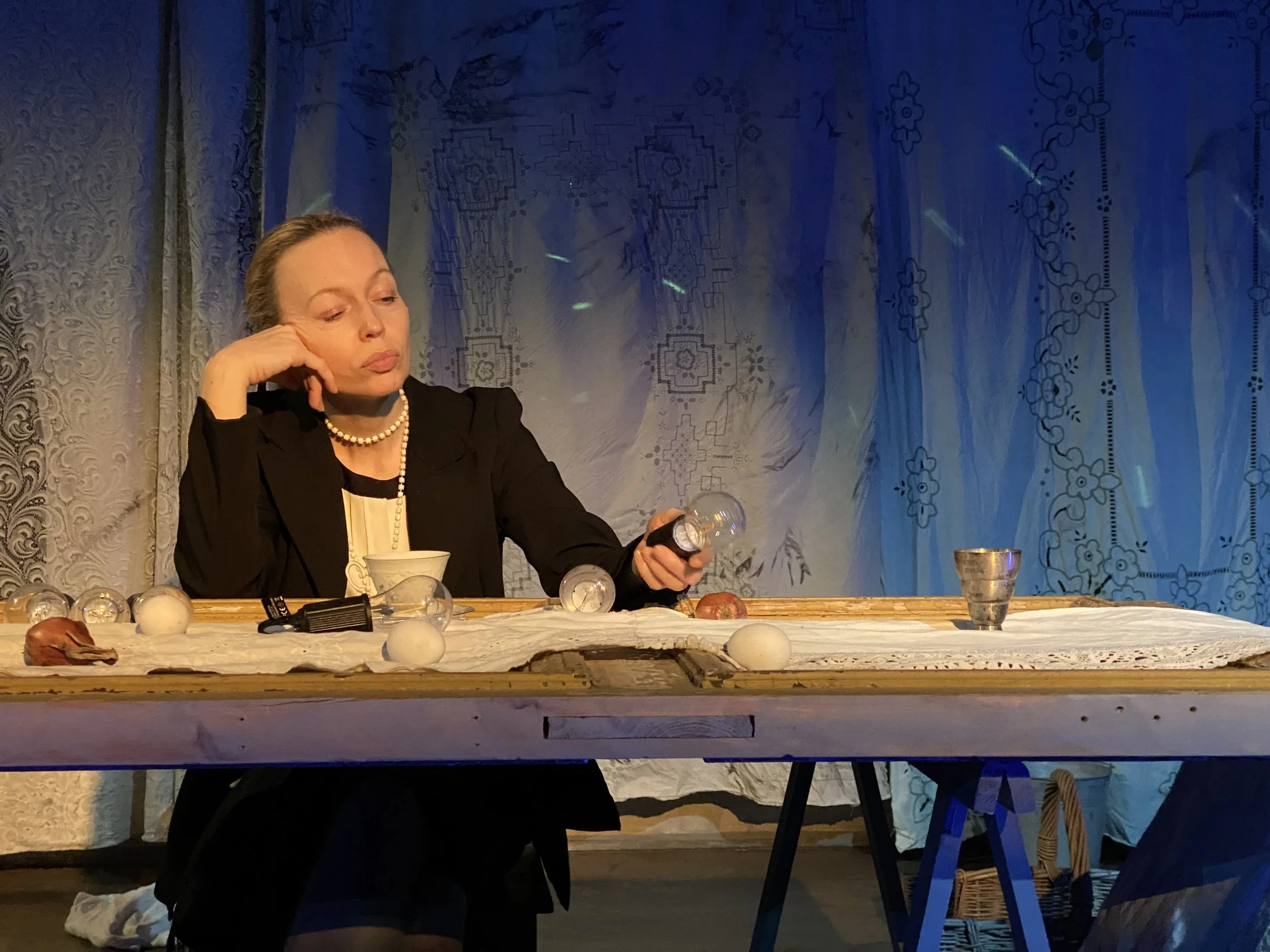
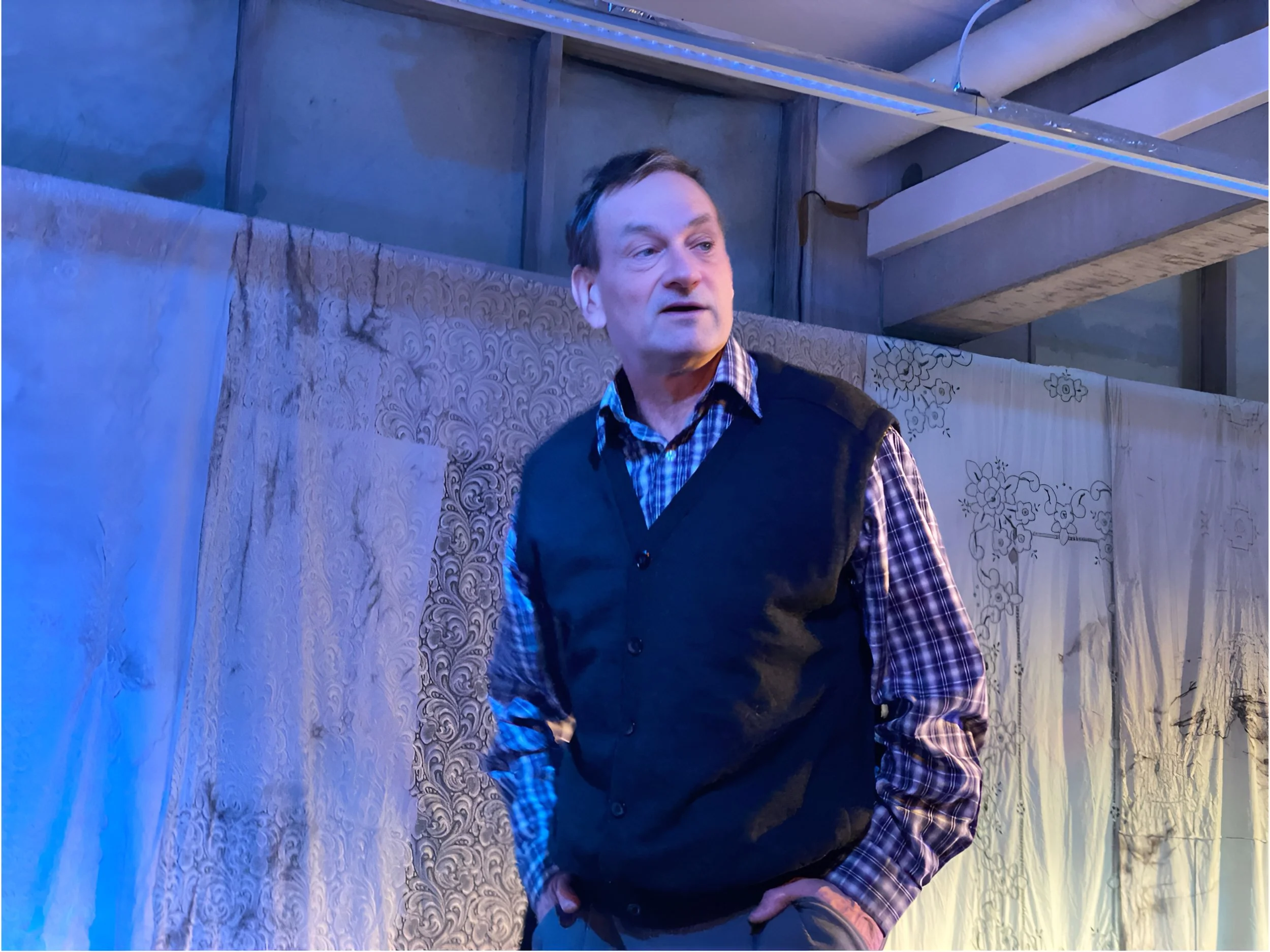
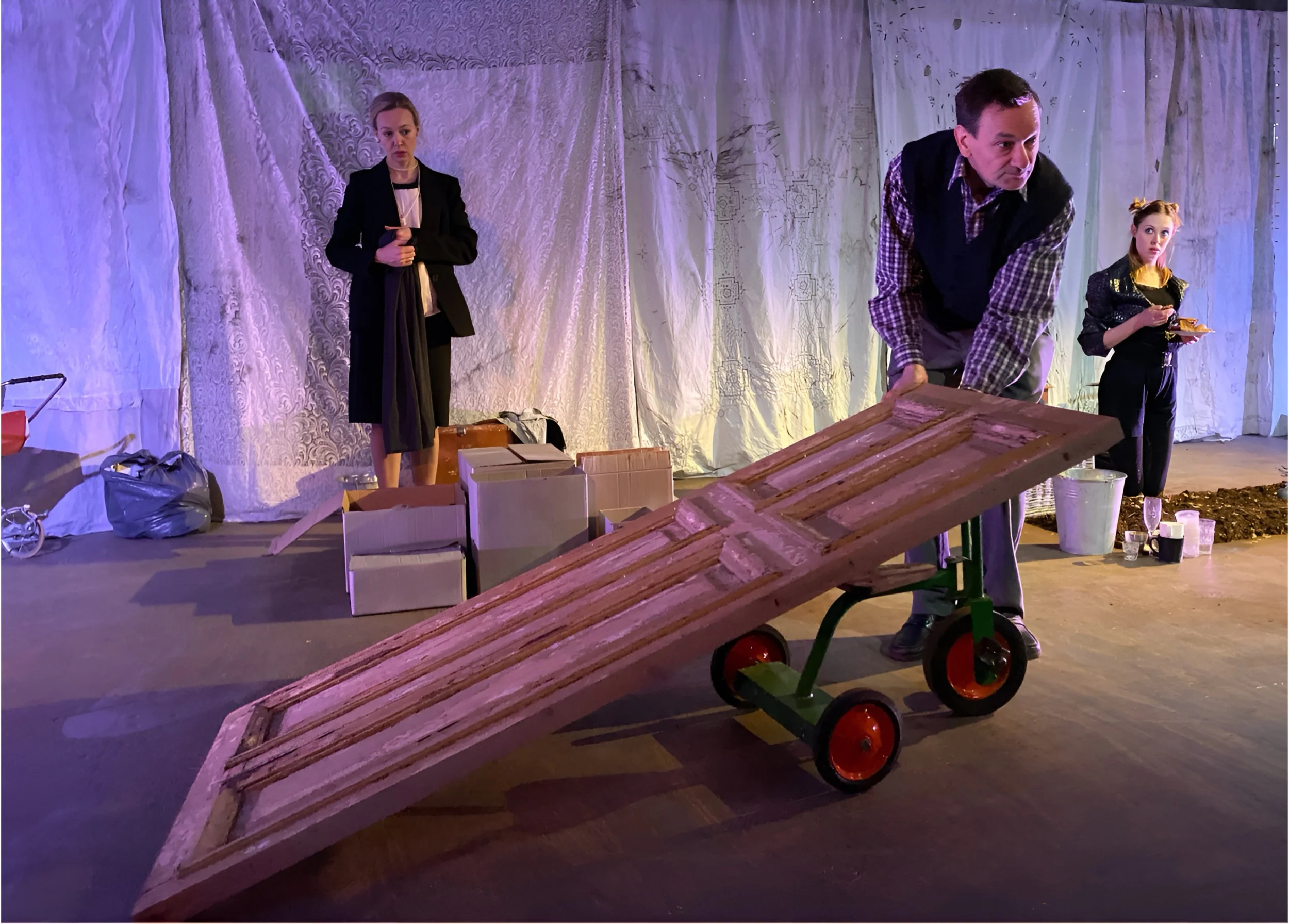
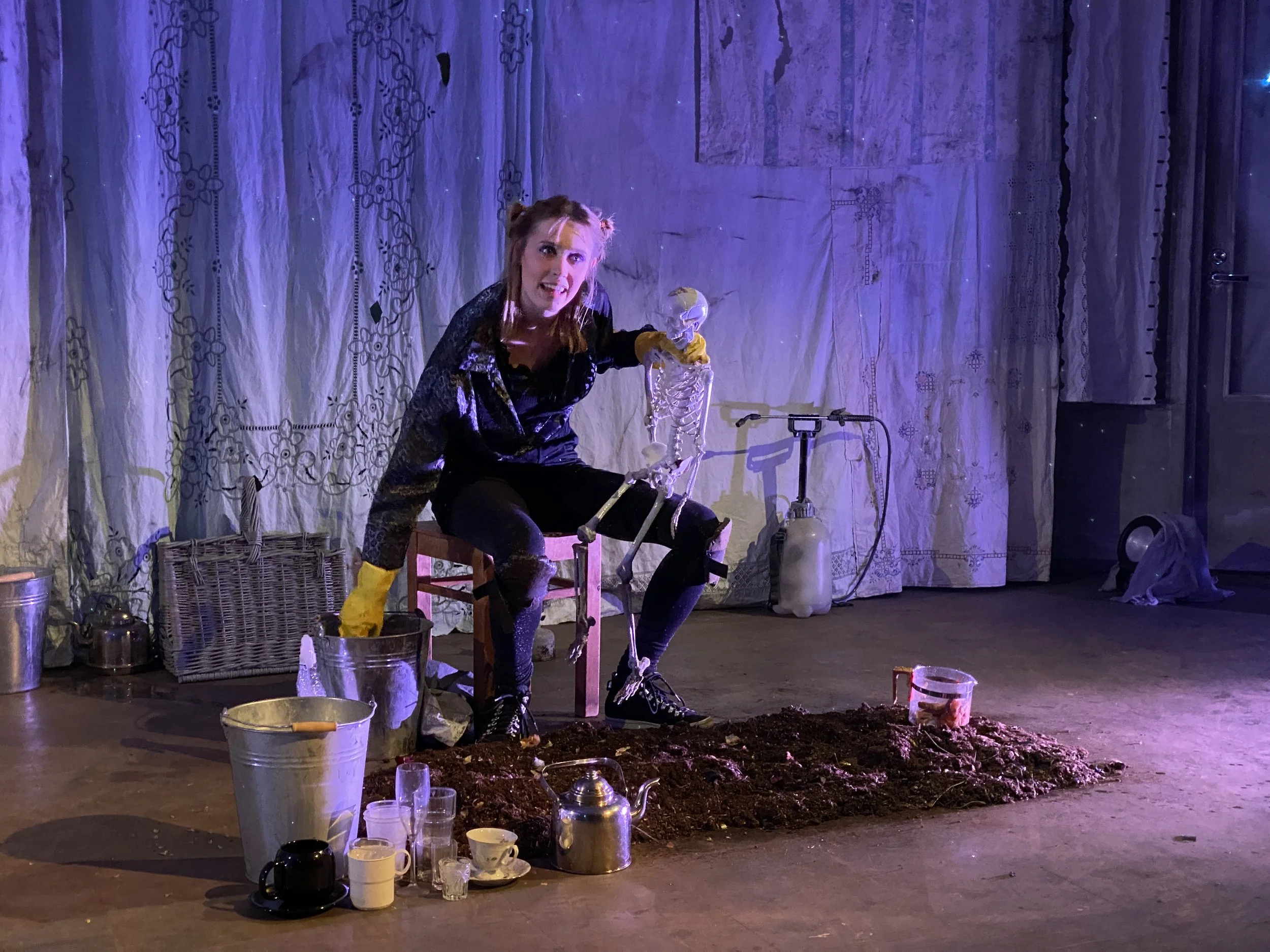
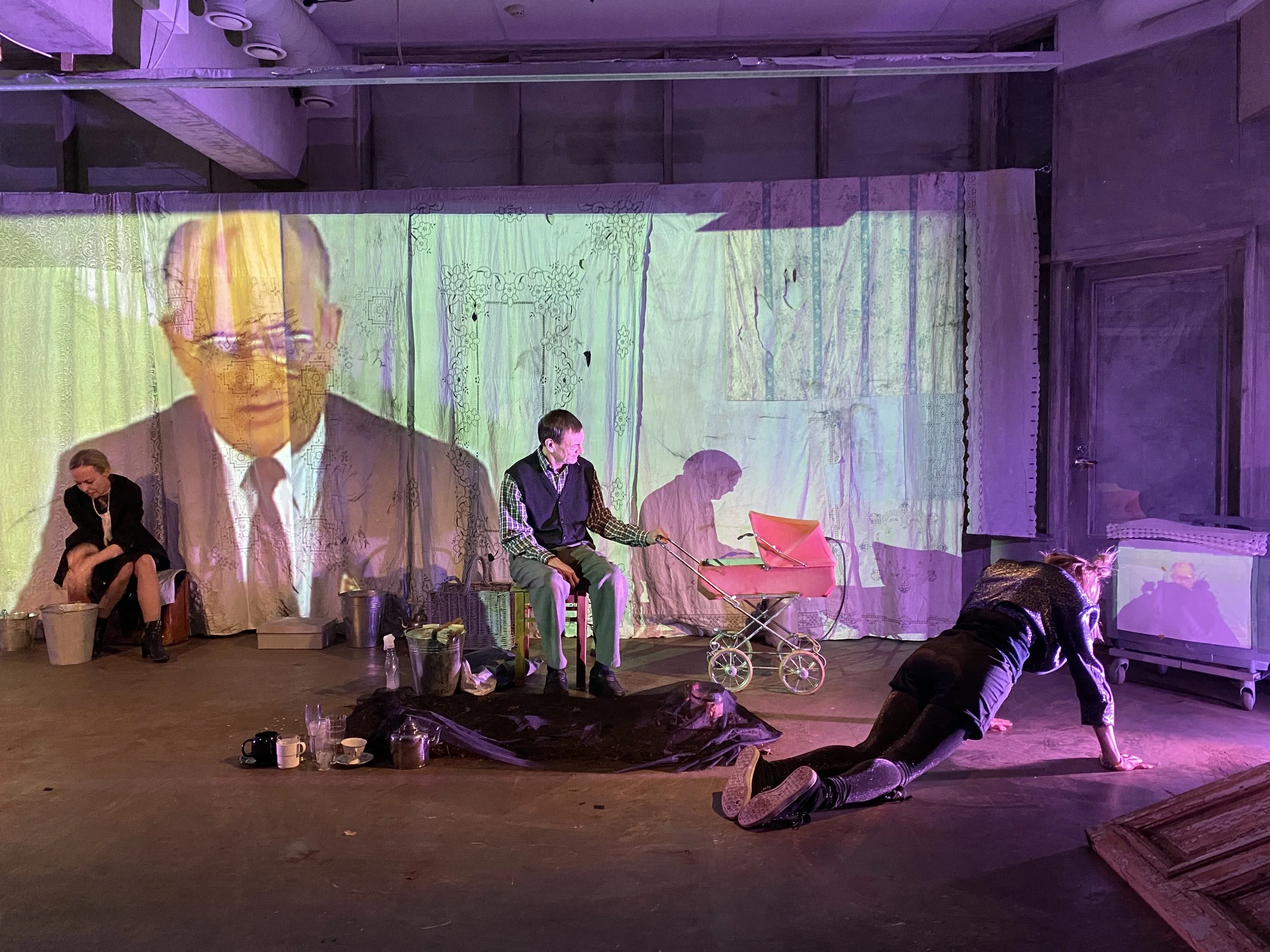
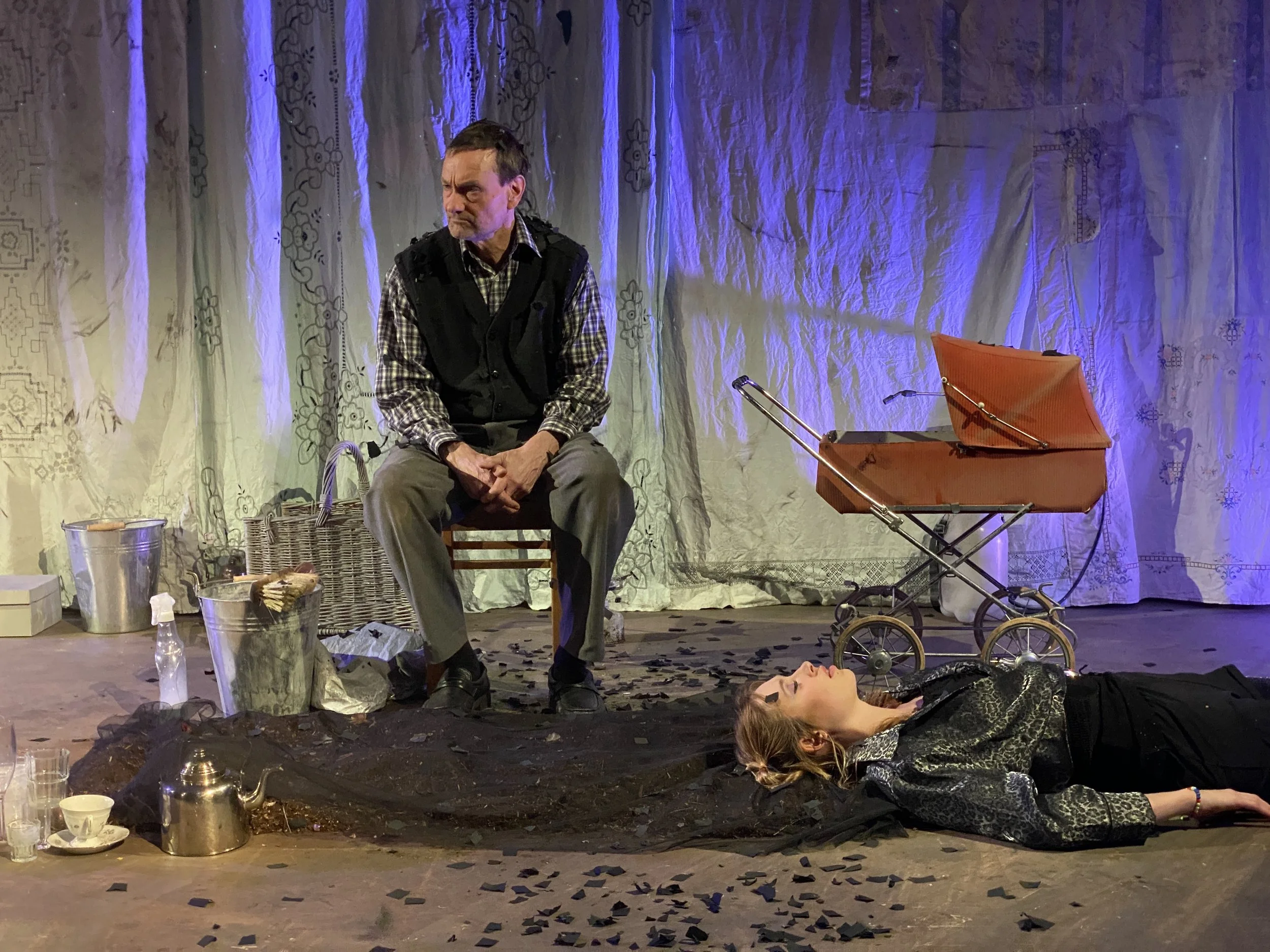
The play, based on the book The Last Of The Soviets, follows the life of 87-year-old Vasili Petrovits from the 1920s to the early 1990s.
Although the Soviet Union has collapsed and communism is ridiculed, Vasili still believes in the party.
Alexievich's style is documentary prose: through hundreds of interviews, she collects private stories from the midst of great historical changes. Her best-known works are War Has No Woman's Face, The Boys from the Iron Curtain, A Prayer Rises from Chernobyl and The End of the Soviet Man. Today, her work is banned in Belarus, and she lives in exile in Berlin.
The performance is produced by HELSINKI 98 and sadsongskomplex:fi. The play is part of the World on Stage project supported by the Finnish Cultural Foundation.
Cast: Sami Lanki, Elli Närjä
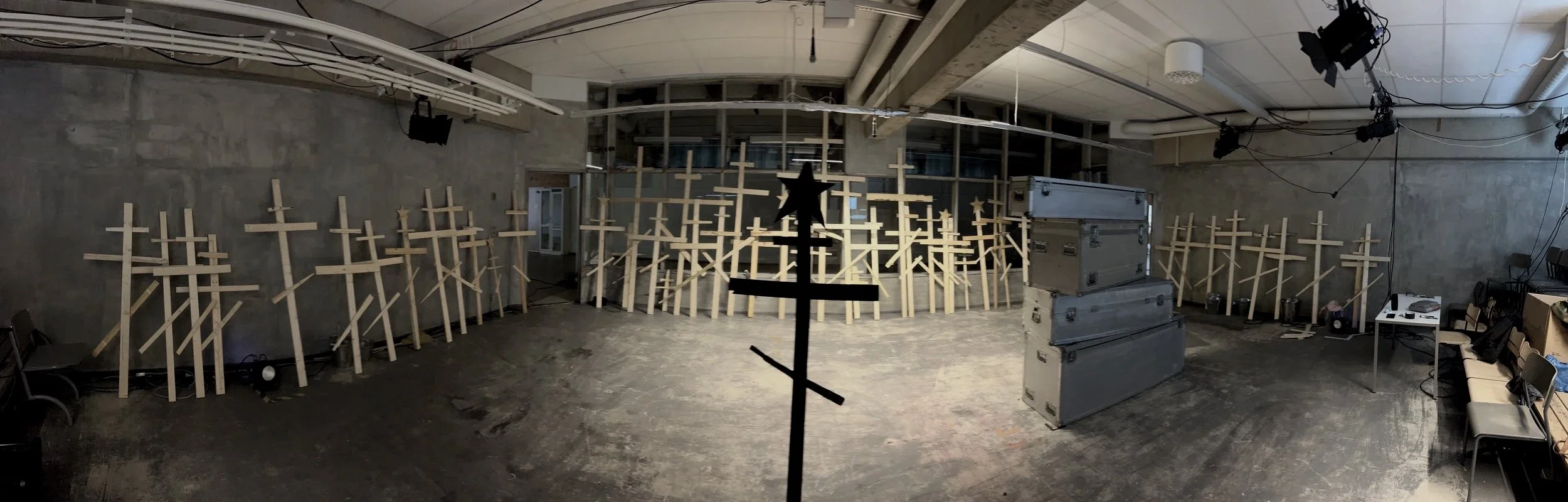
BOYS IN ZINC
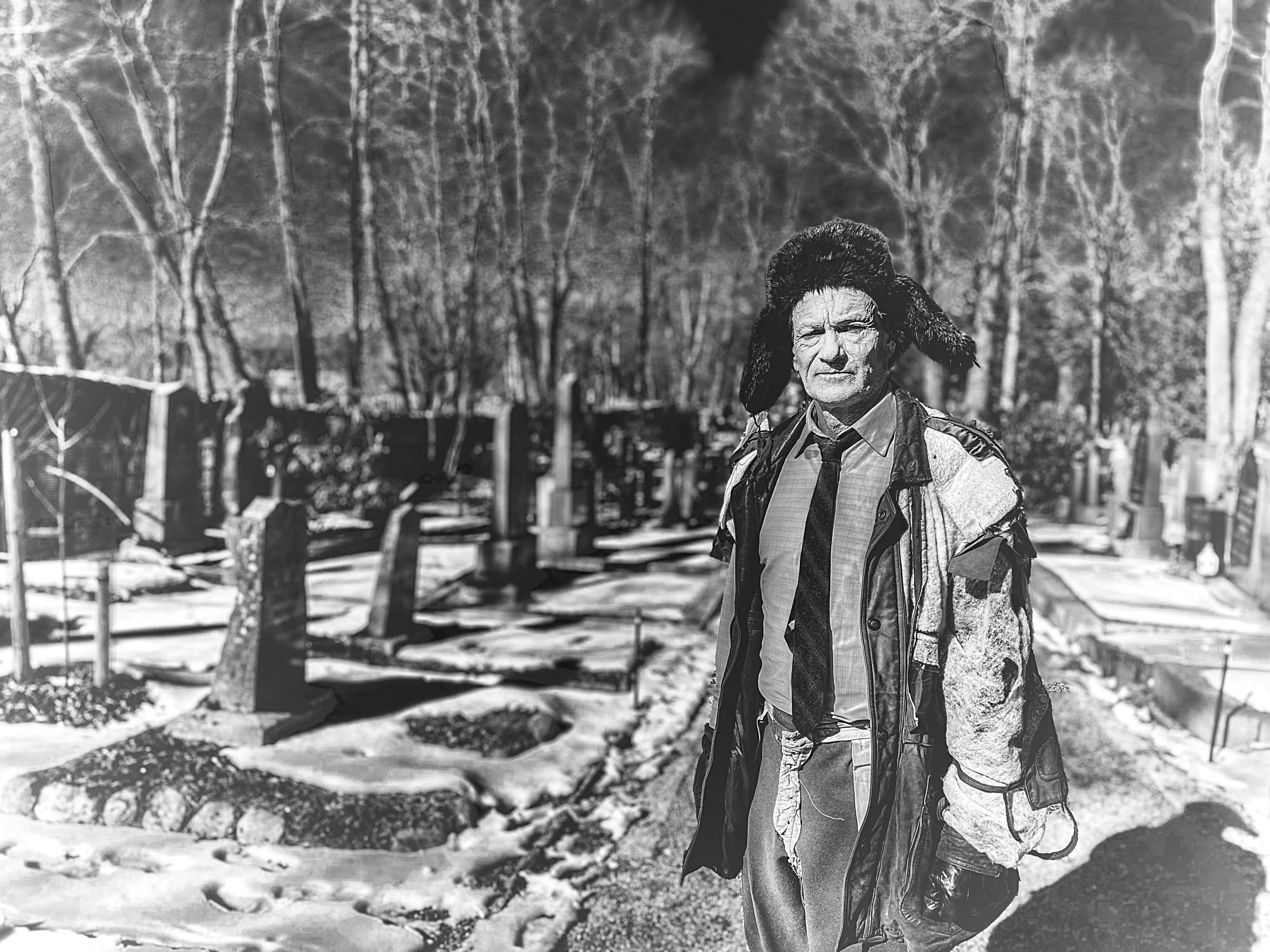
BOYS IN ZINC is the second part of the trilogy.
“Remembering... is like putting your hand in the fire.”
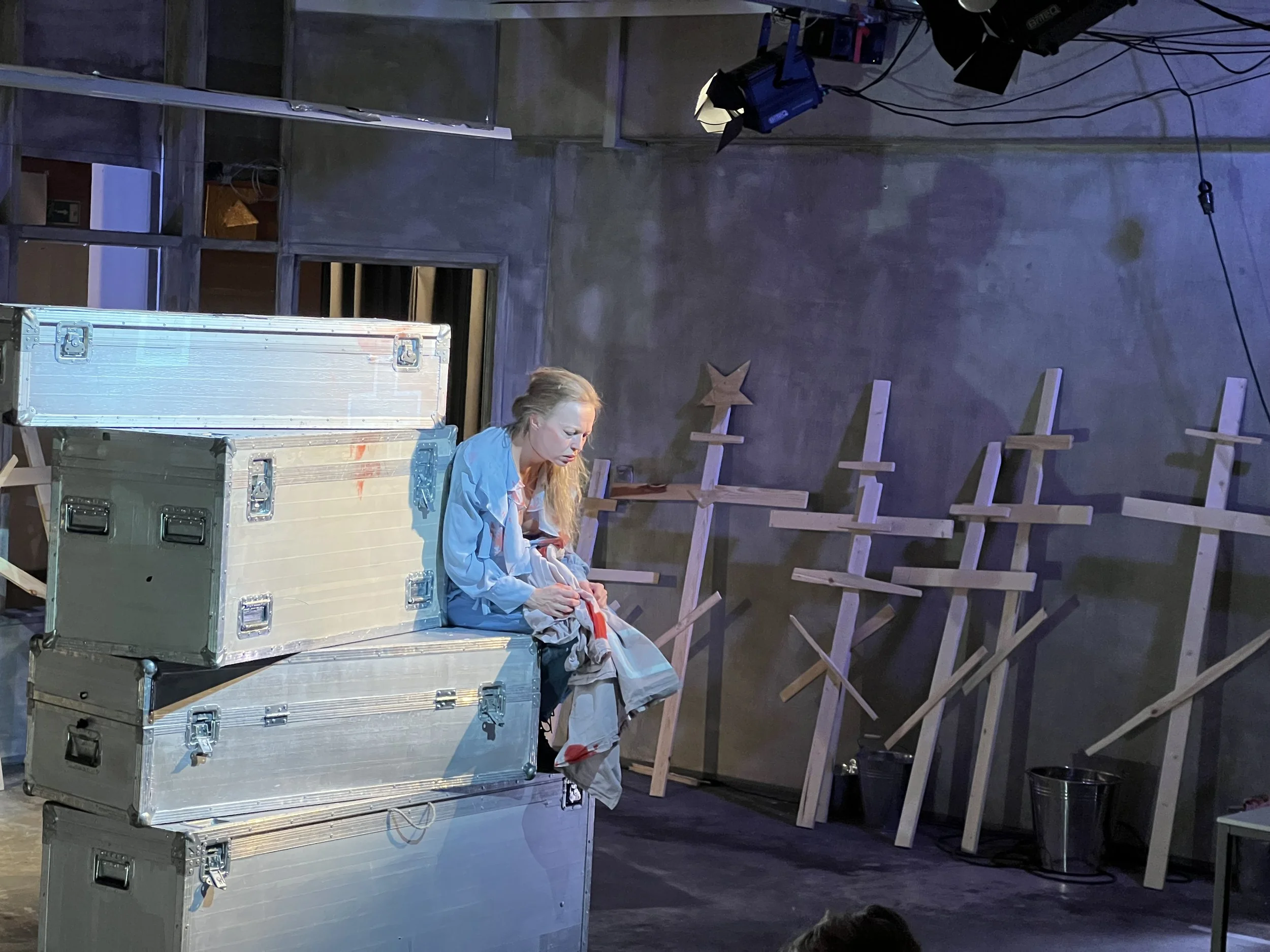
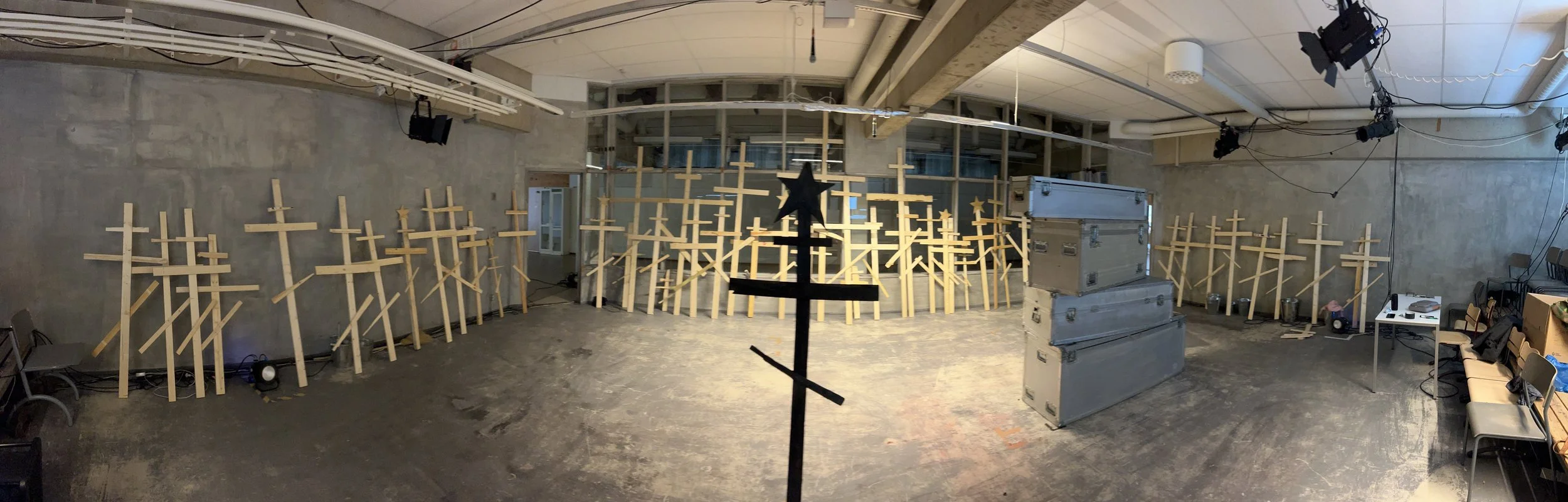
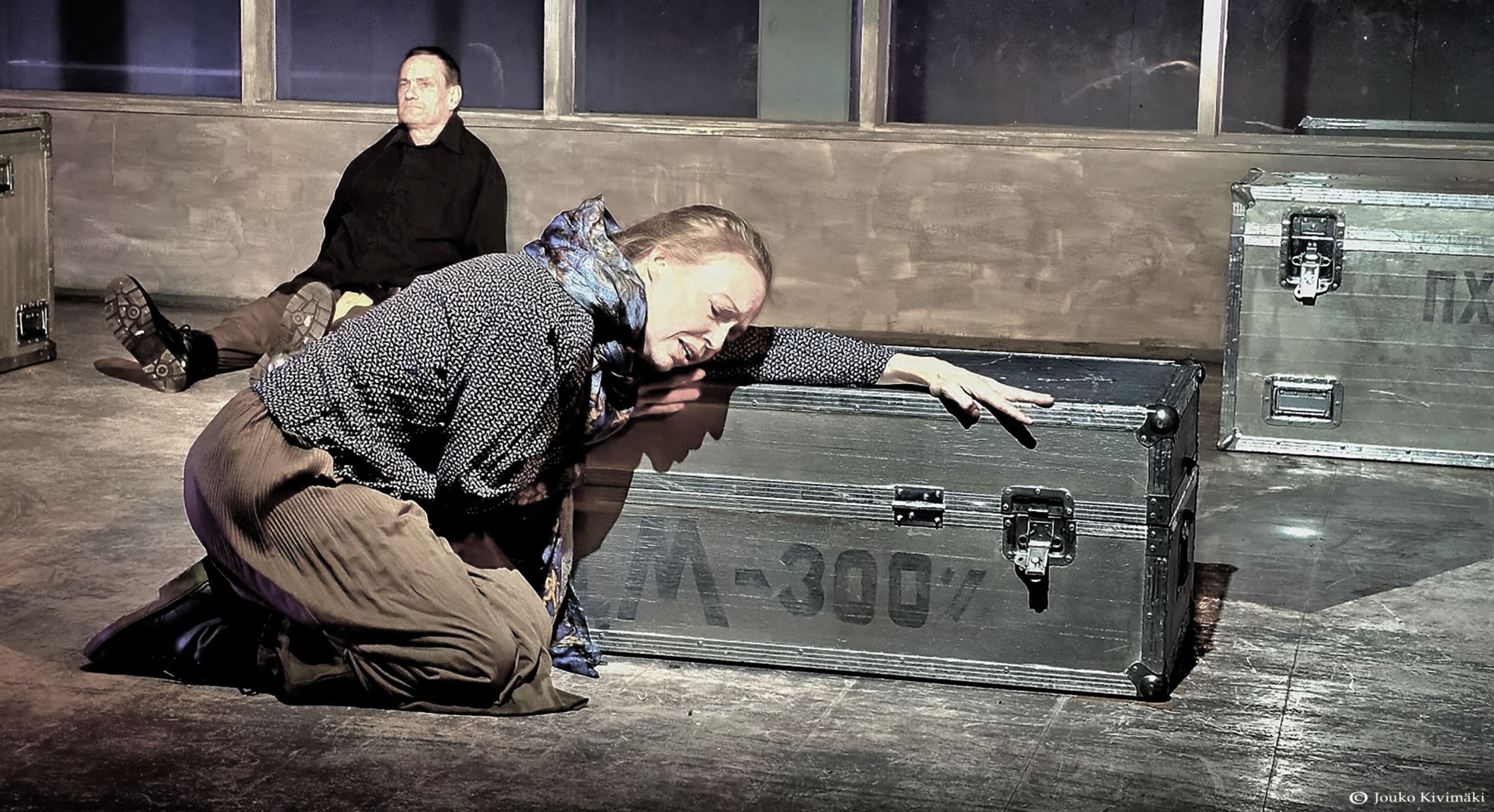
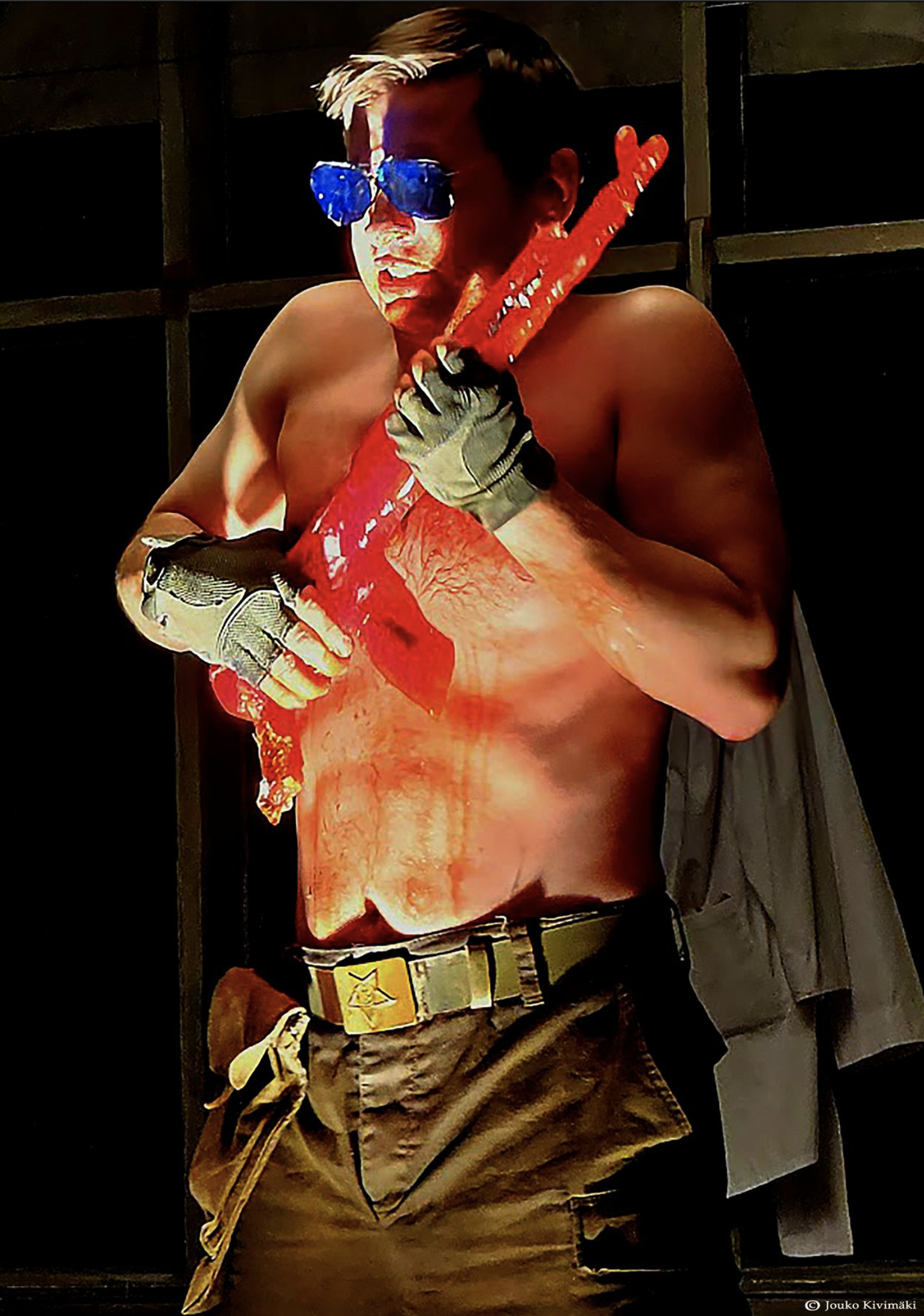
Based on the documentary of the same name by Belarusian Nobel Prize-winning author Svetlana Alexievich, BOYS IN ZINC (also translated as ZINKY BOYS) tells the Soviet Union’s story of Afghanistan from 1979 to 1989. More than half of Soviet soldiers took part in the Afghan war, and as a result, about 1.3 times as many Afghans died and 6 times as many were forced to flee.
The Afghan war is a completely forgotten war in Russia. No one knows about it, and no one knows about it, because it does not fit into the Grand Narrative.
“In 1983 I returned to Moscow. It was as if it had been offered. And it wasn’t – the metro was kissed and laughed at… From the people of Lin: – How many many Afghan wars have there been? – No, I don’t know... – Yes, maybe two... – Oh, is there a year of war somewhere? Really
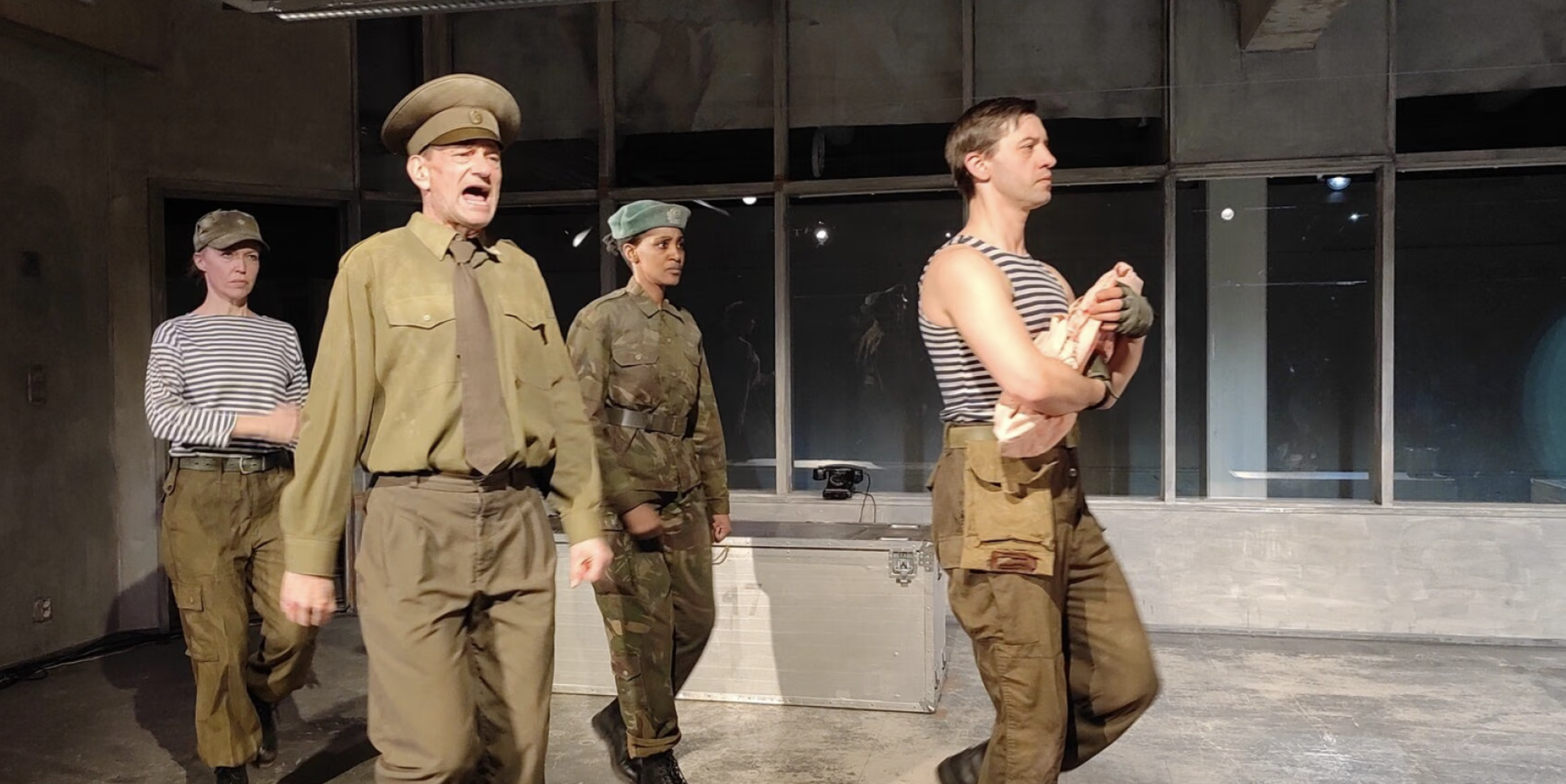
The play features people who participated in the war – soldiers, doctors, civilian workers at the front – as well as the mothers and wives of people who participated in the war. The soldiers had gone to the front to perform feats, but returned from there forgotten, abandoned and injured. development was not the Great Patriotic War.
The premiere of the play was on 23.4.2024.
Cast: Sami Lanki, Emilia Neuvonen, Elli Närjä, Maksim Pavlenko
Chernobyl Prayer
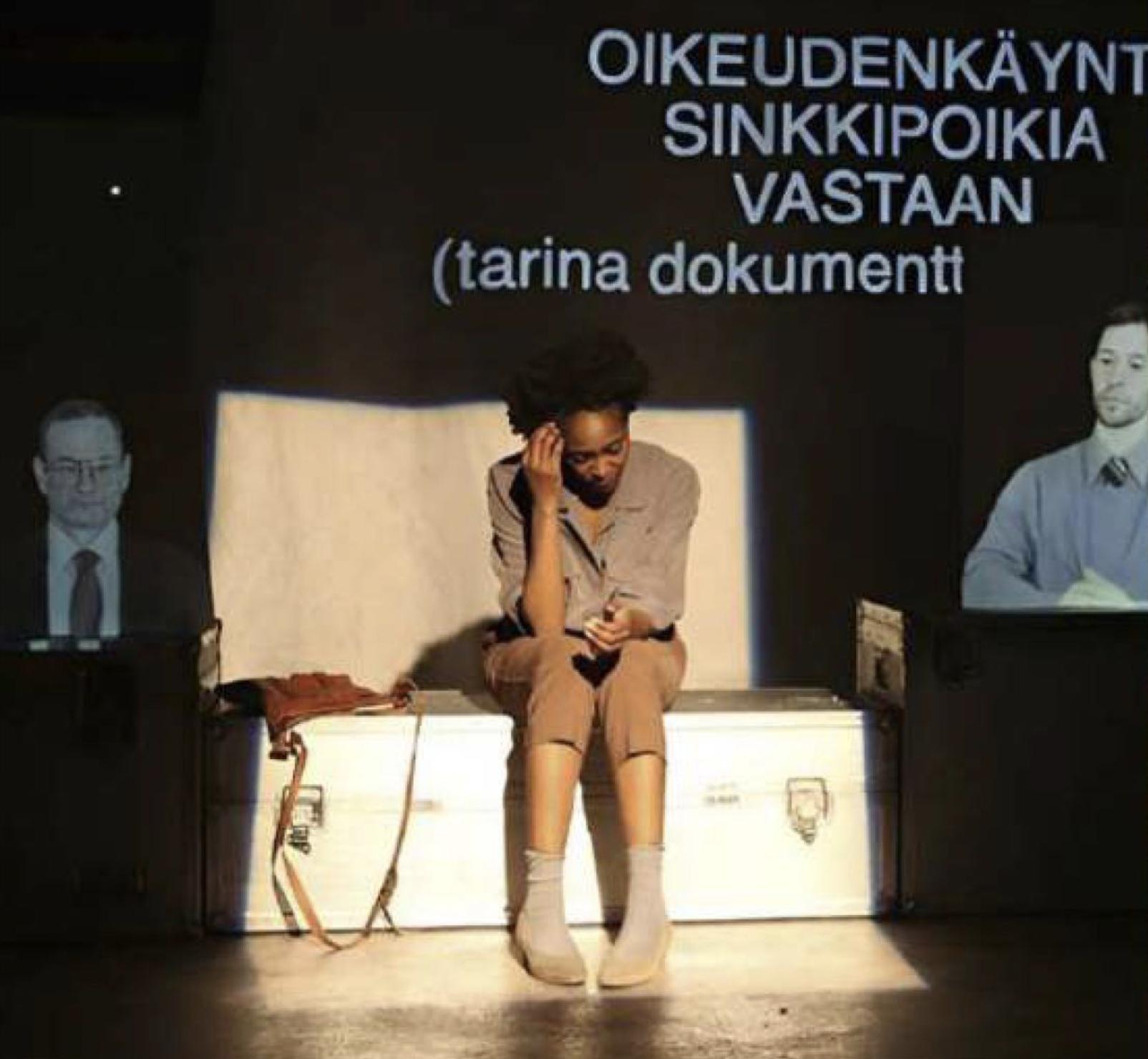
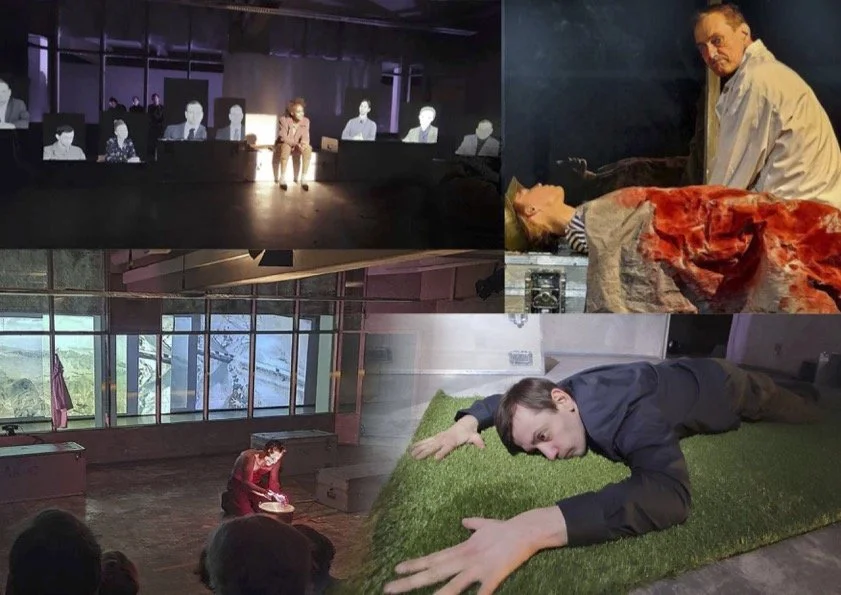
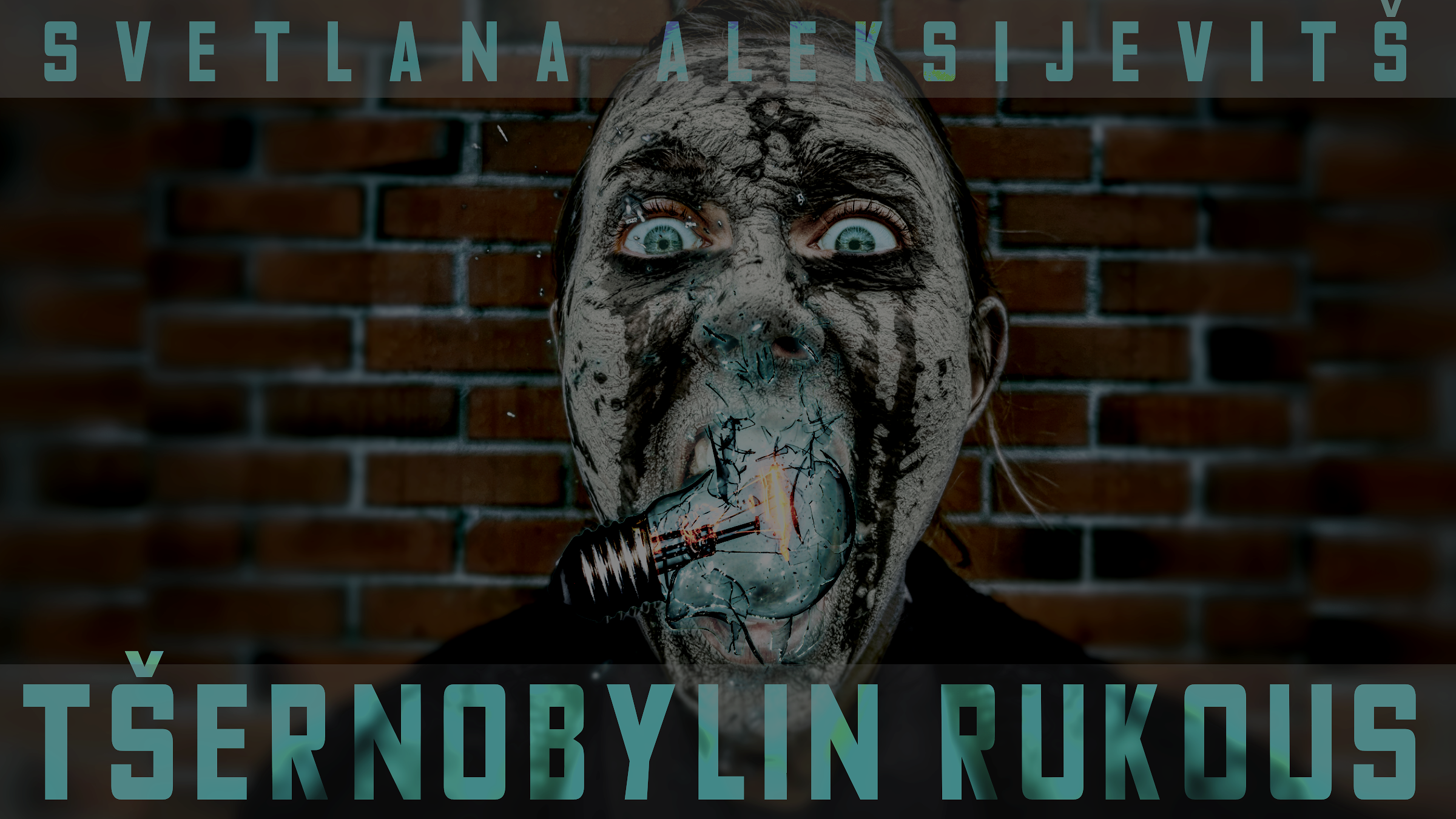
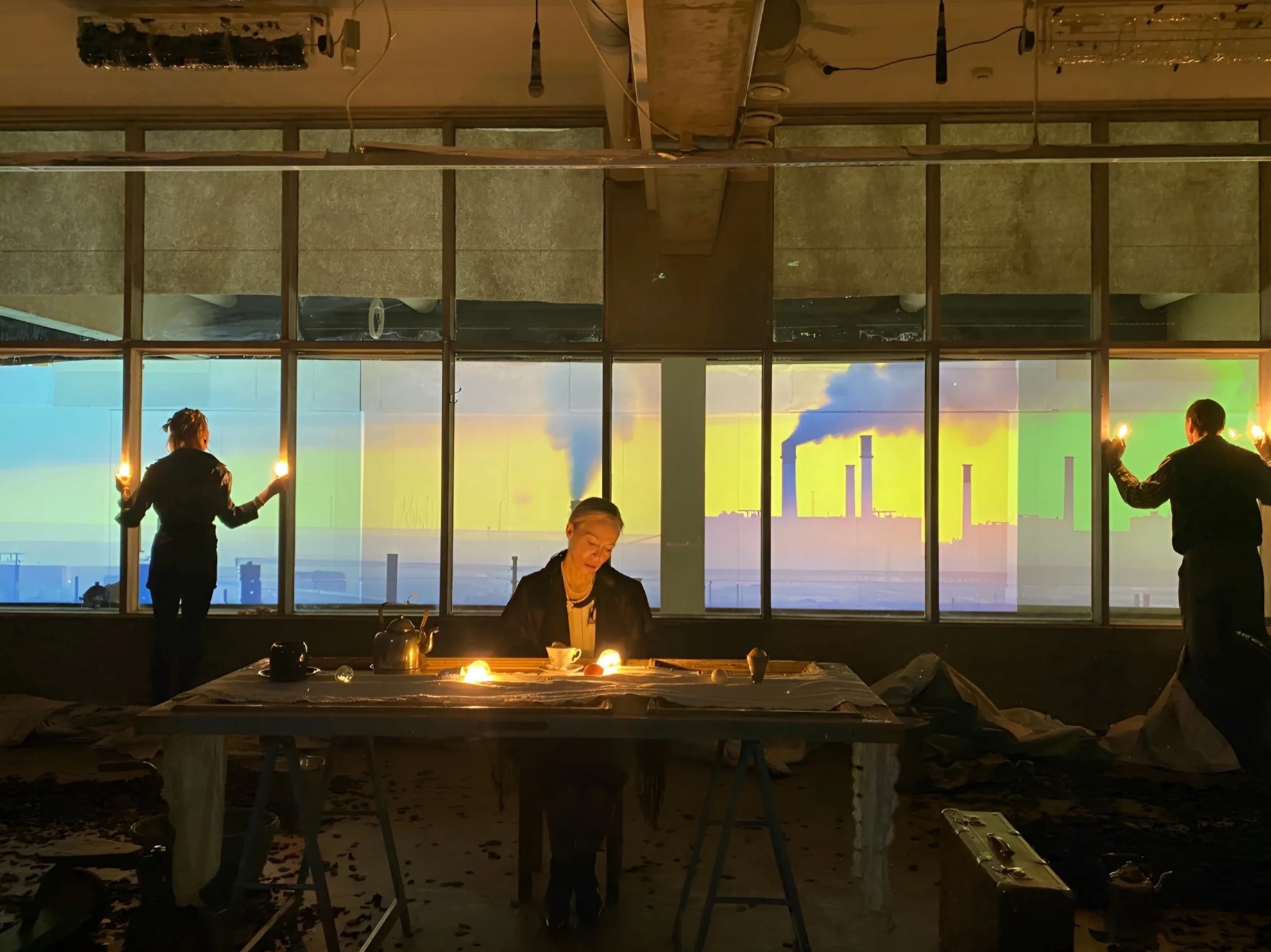
“Chernobyl Prayer – Chronicles of the Future” is the final part of the Alexievich trilogy of Helsinki 98.
On April 26, 1986, the fourth nuclear reactor at Chernobyl in the Ukraine, Soviet Union, exploded. It was the greatest technological disaster in world history. Belarus did not have a single nuclear power plant, but Belarusians were the greatest victims of the Chernobyl nuclear power plant accident. “Chernobyl Prayer” (1997) is one of the most significant works of Nobel Prize-winning author Svetlana Alexievich, and gives voice to people who had to experience the horrific effects of nuclear radiation, combined with the totalitarian Soviet policy of denial and silence.
“How could we understand where we are. What is happening to us? Here... Now... There is no one to ask...”
Cast: Elli Närjä, Vilma Sippola, Sami Lanki
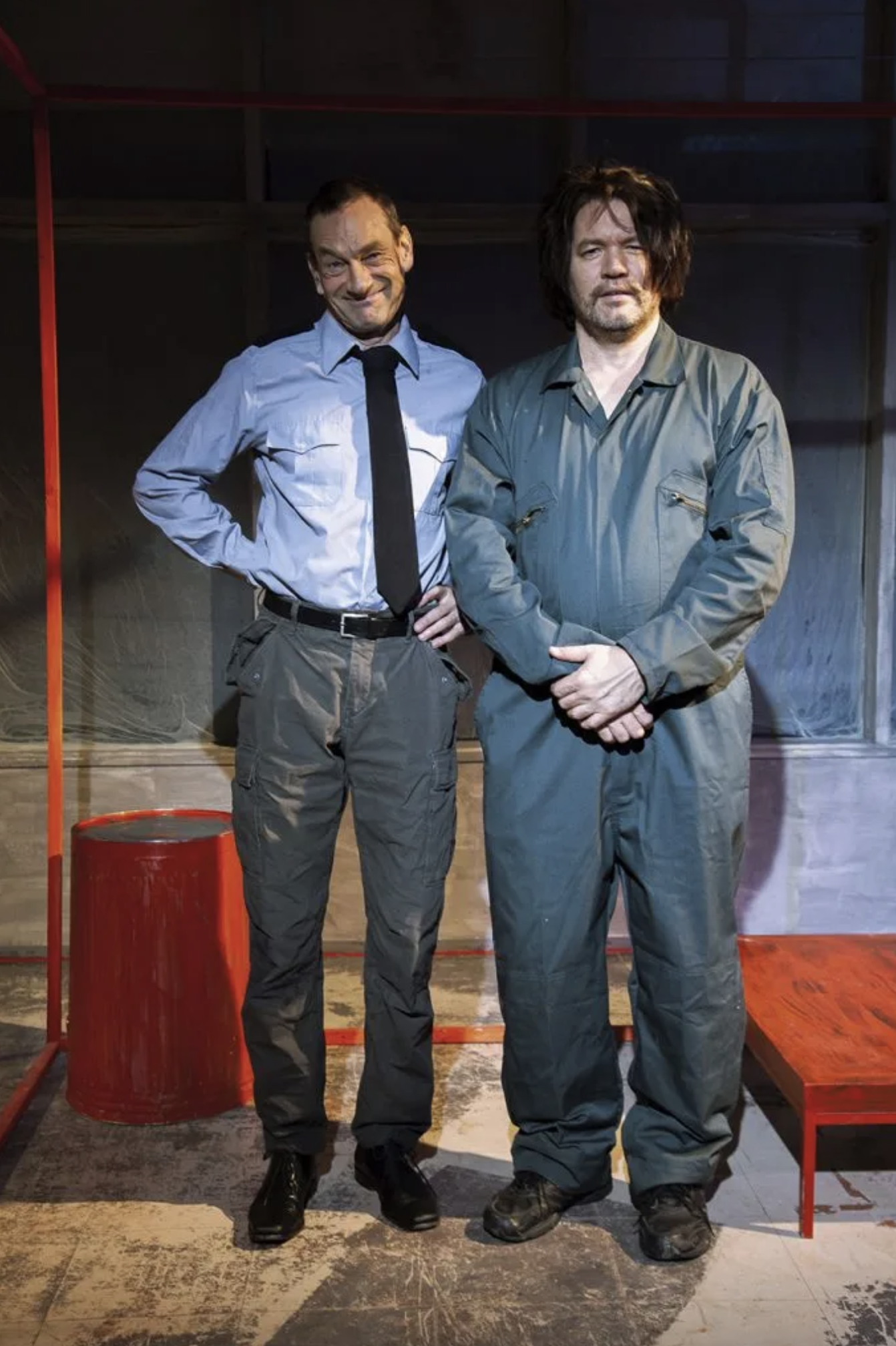
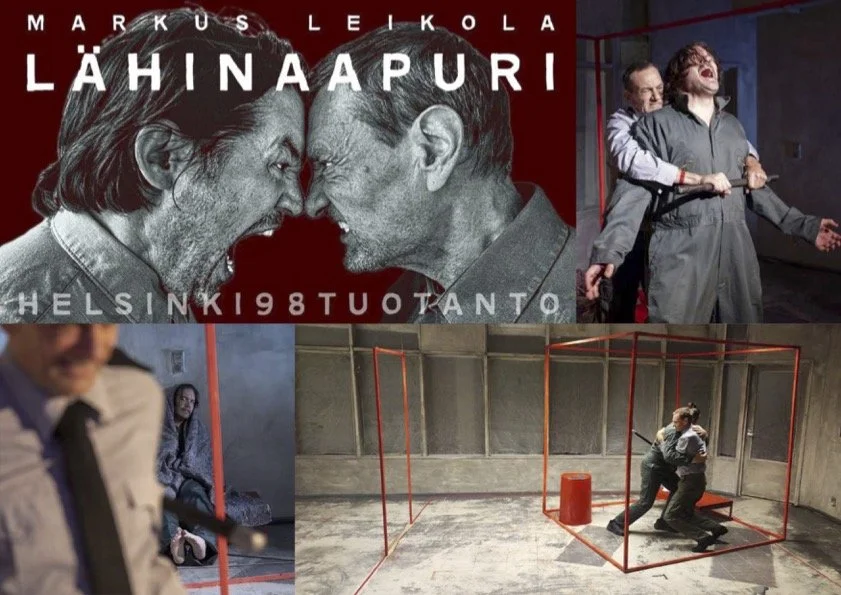
THE CLOSE NEIGHBOR
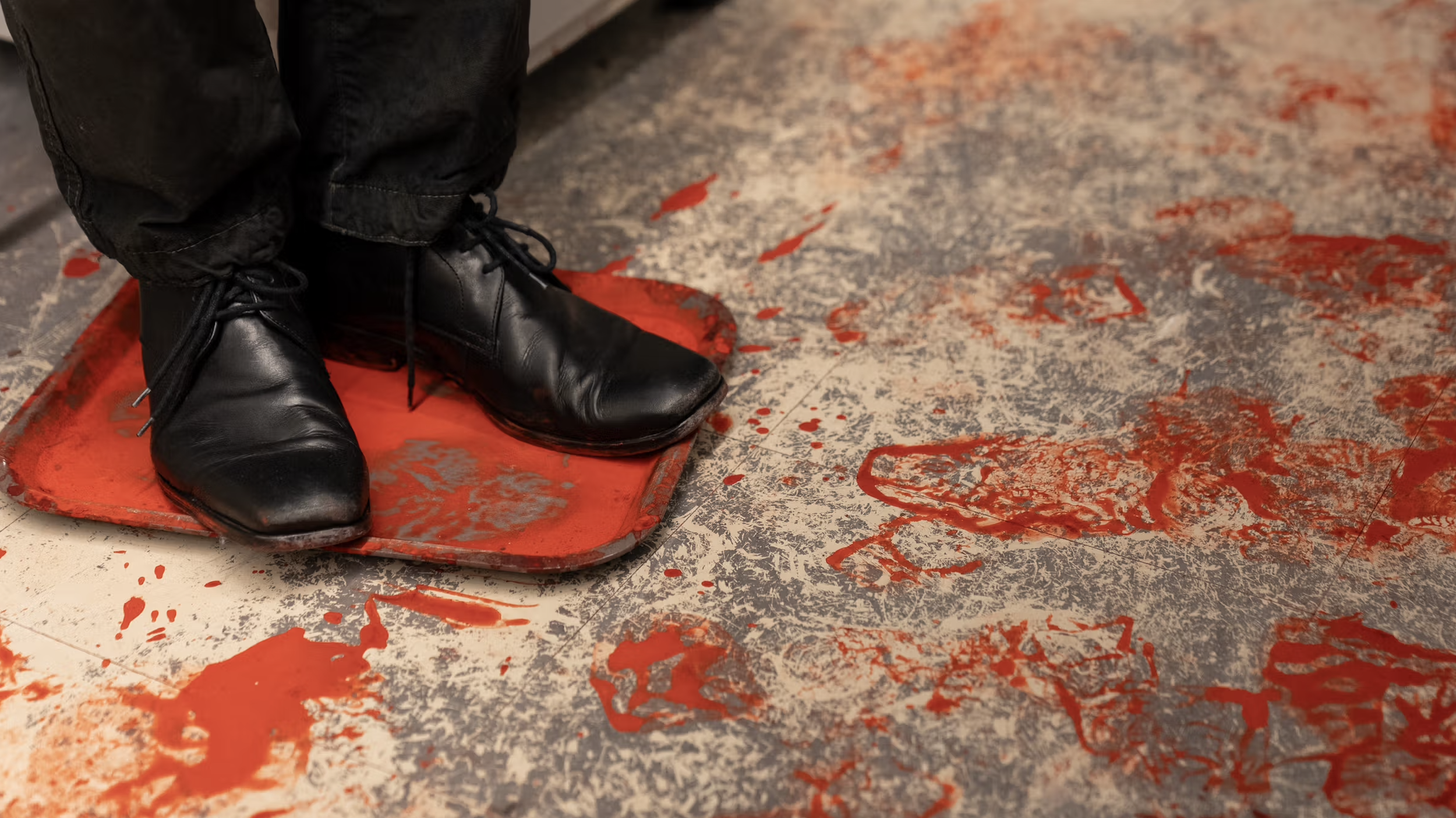
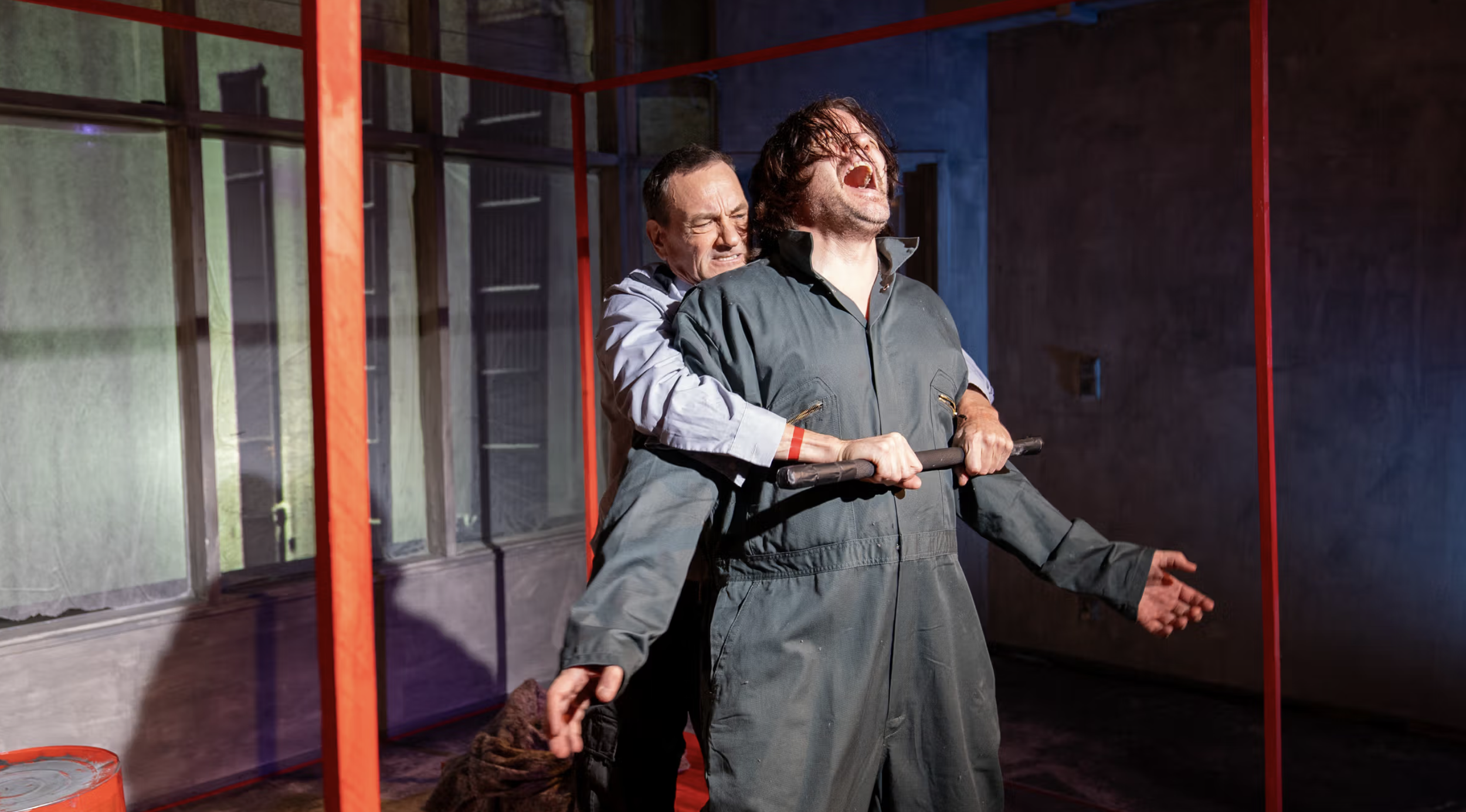
In Markus Leikola's new play, the Helsinki 98 theatre group takes the viewer to a prison in Russia and asks: How can one be crazy in a society that is already crazy itself?
The play was inspired by a piece of news that Russian authorities placed a mentally ill person in a cell next to the prison sentence of dissident Aleksei Navalny, so that his madness would also spread to Navalny.
In a concrete-walled cell, two characters, the Guard and the Madman, take each other to task, on the continuum of Russianness, crime and punishment, in ways that are impossible to reach. And somewhere behind the wall is the one they are trying to influence: a prisoner whose name must not be mentioned.
A close neighbor, on the other hand, is also a Russian foreign policy term that refers to neighbors – on a state level, for example, Ukraine and Estonia – that are not completely foreign countries, which is why they are allowed to be treated as if they were actually one's own.
Cast: Sami Lanki, Juha-Pekka Mikkola
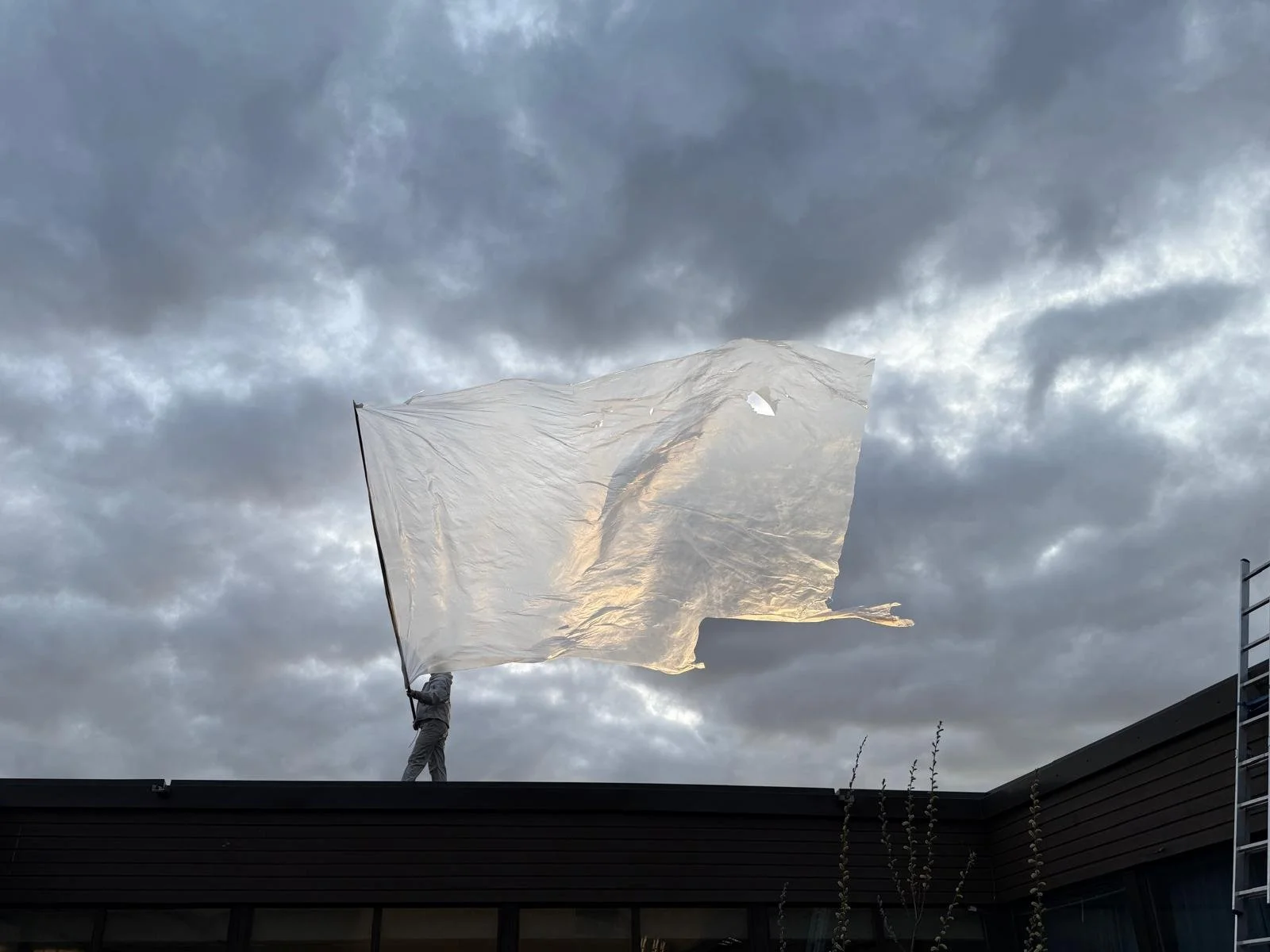
MEN IN DAYLIGHT
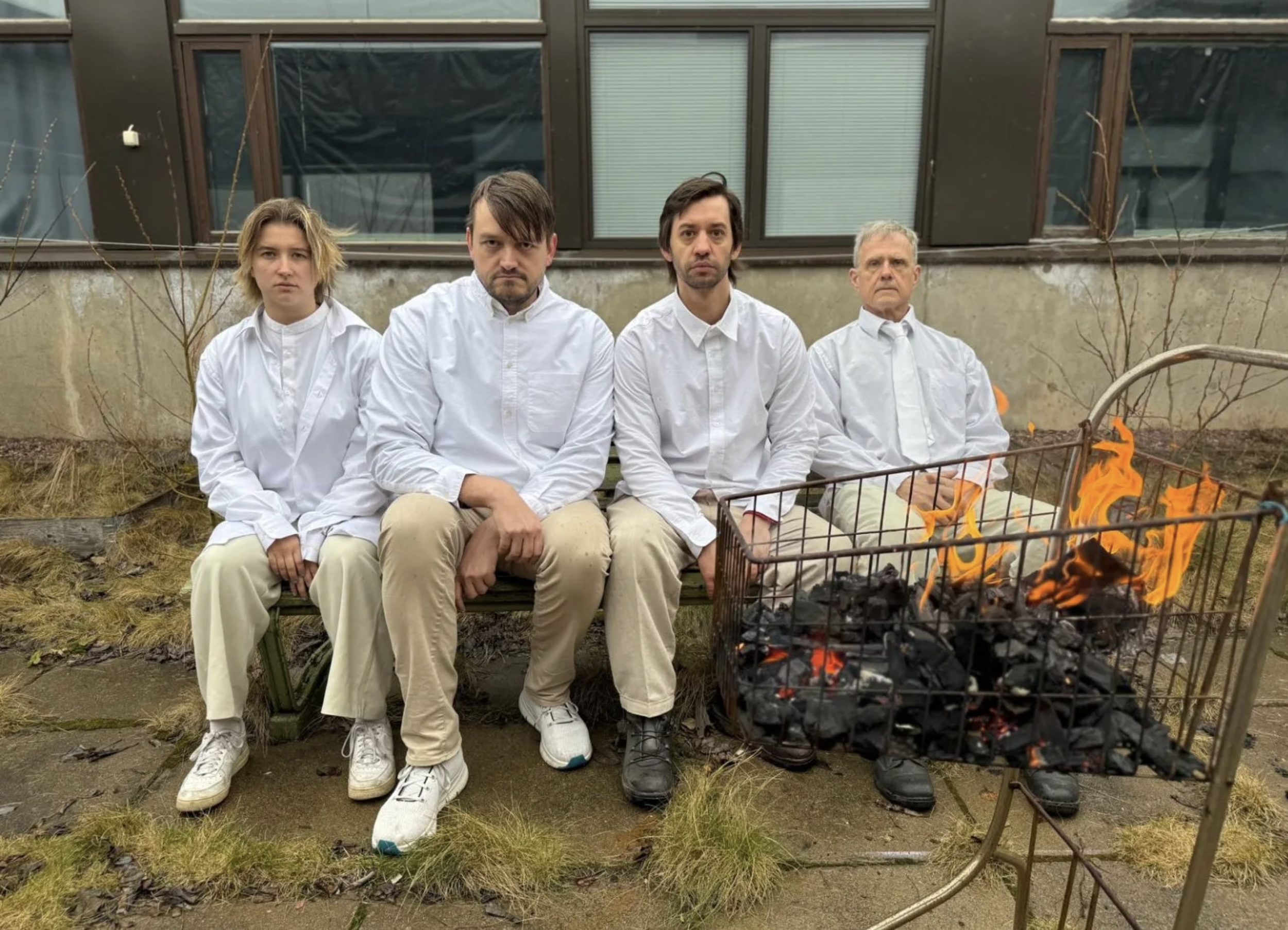
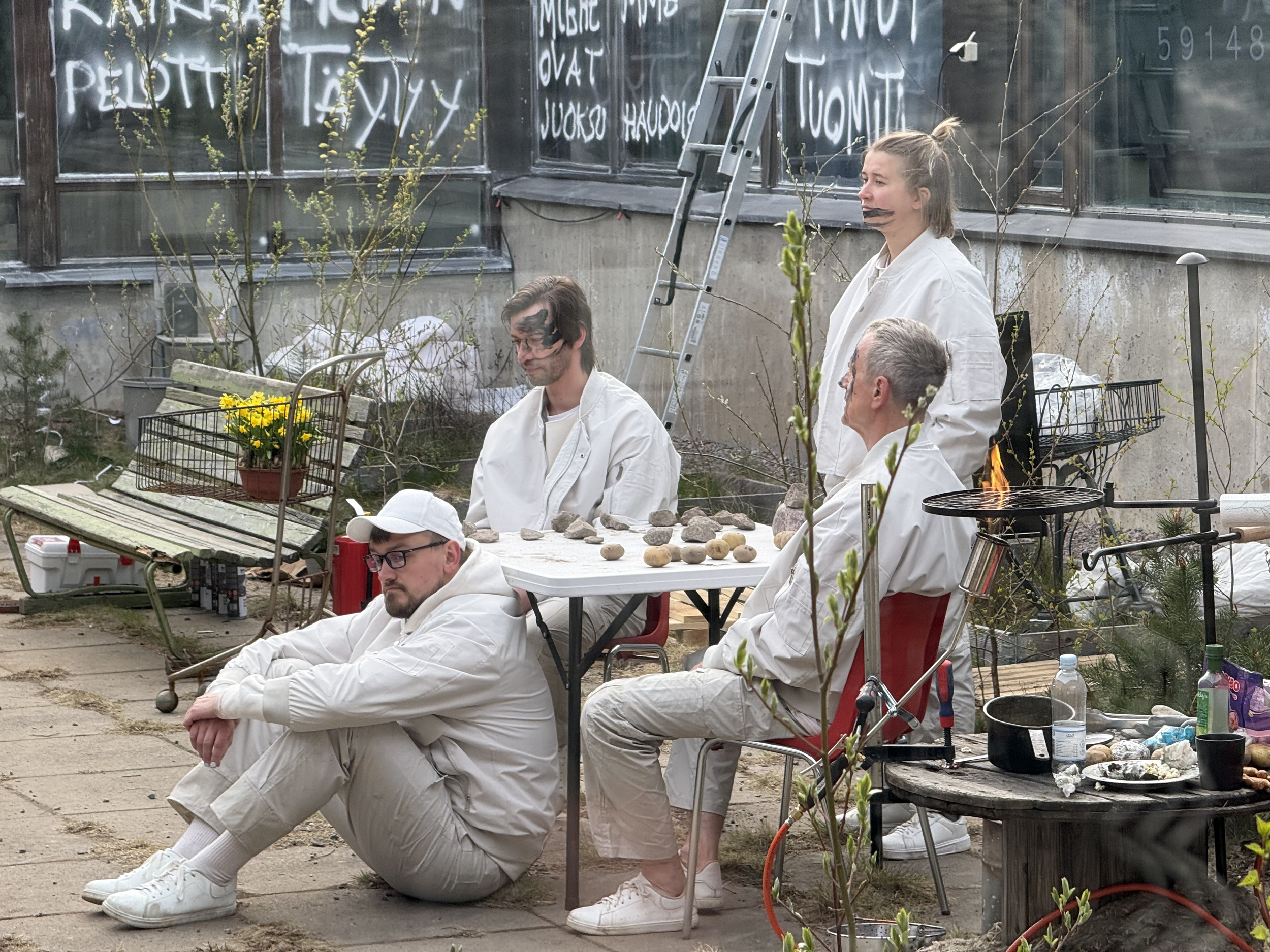
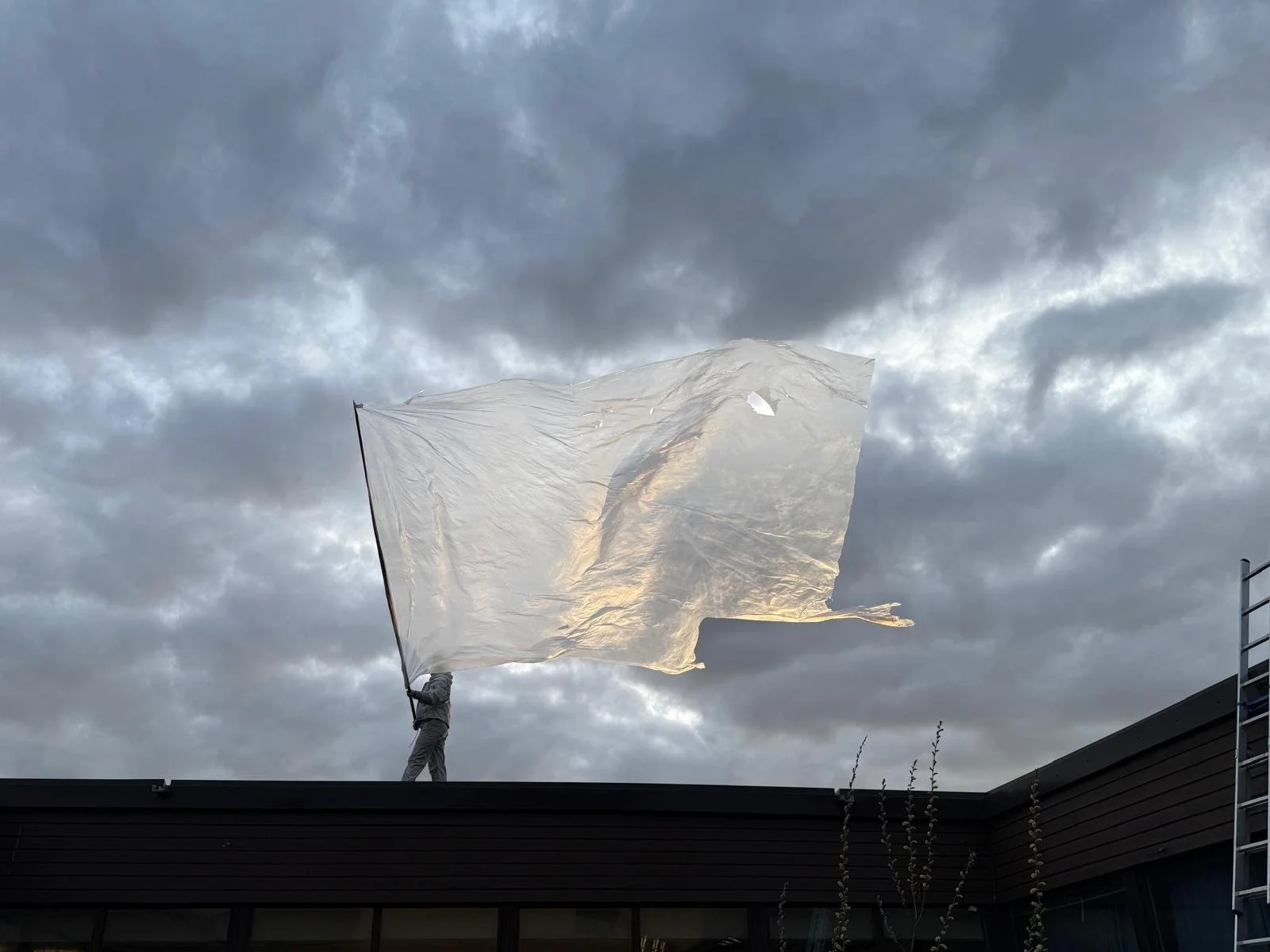
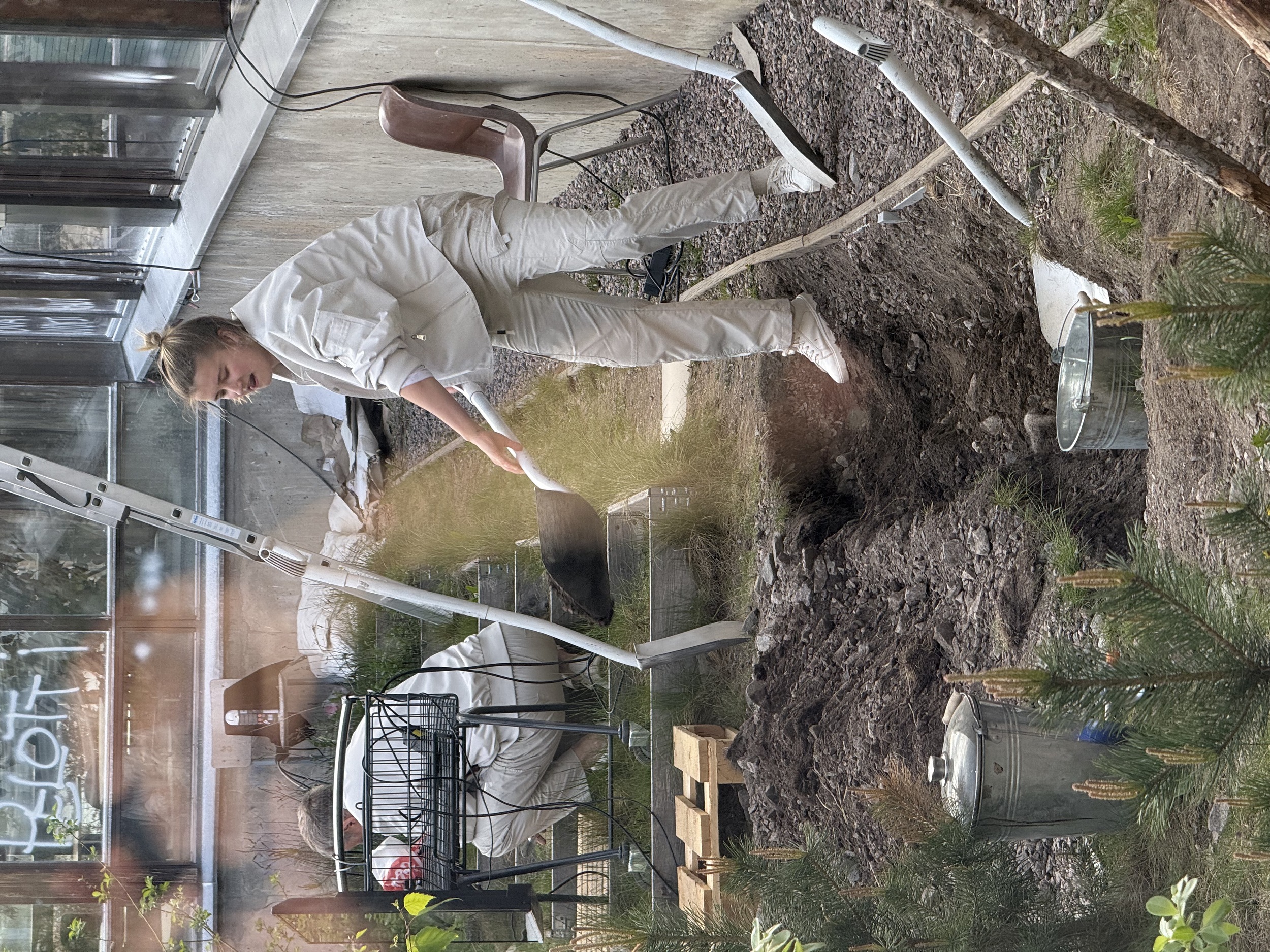
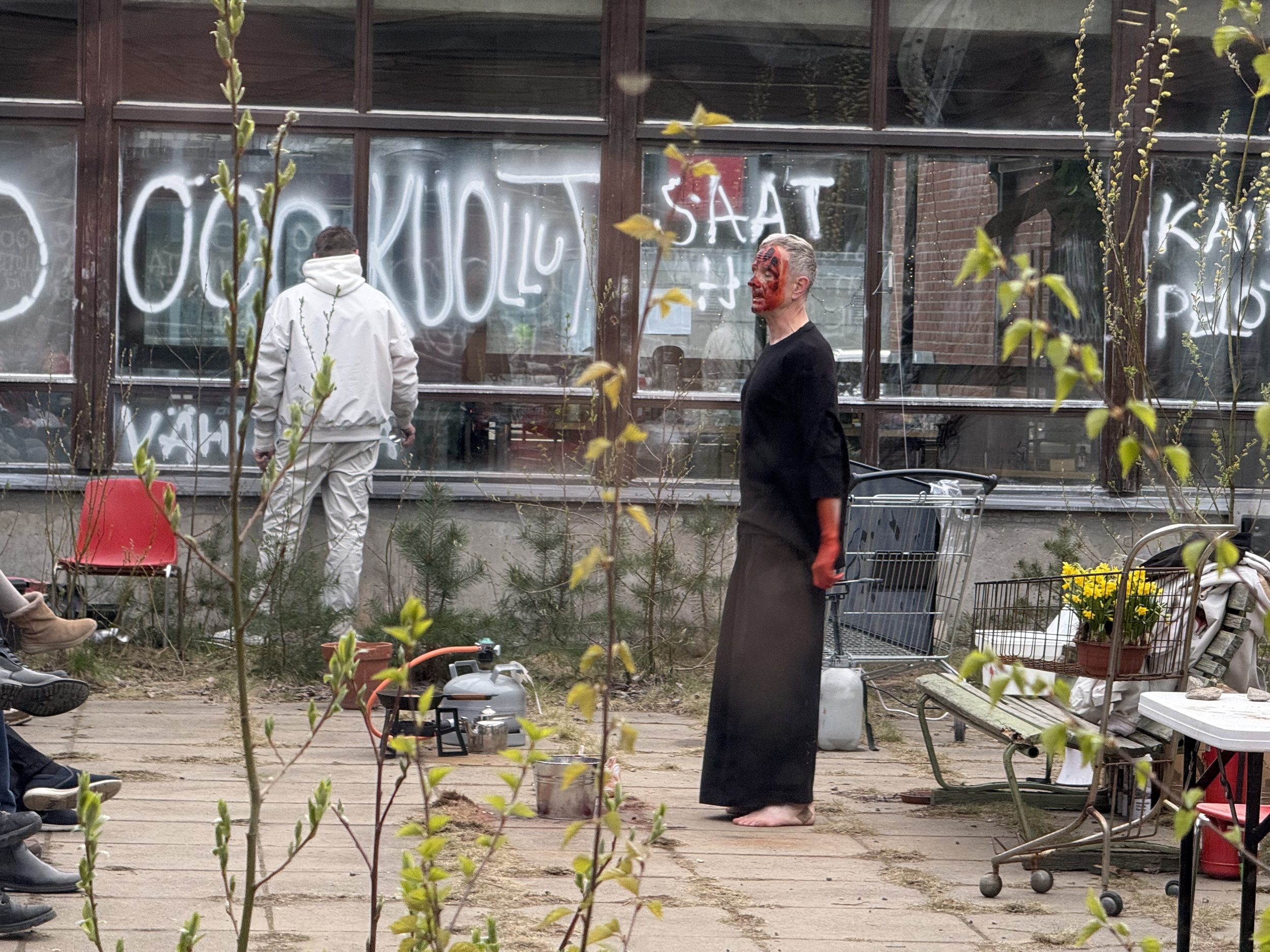
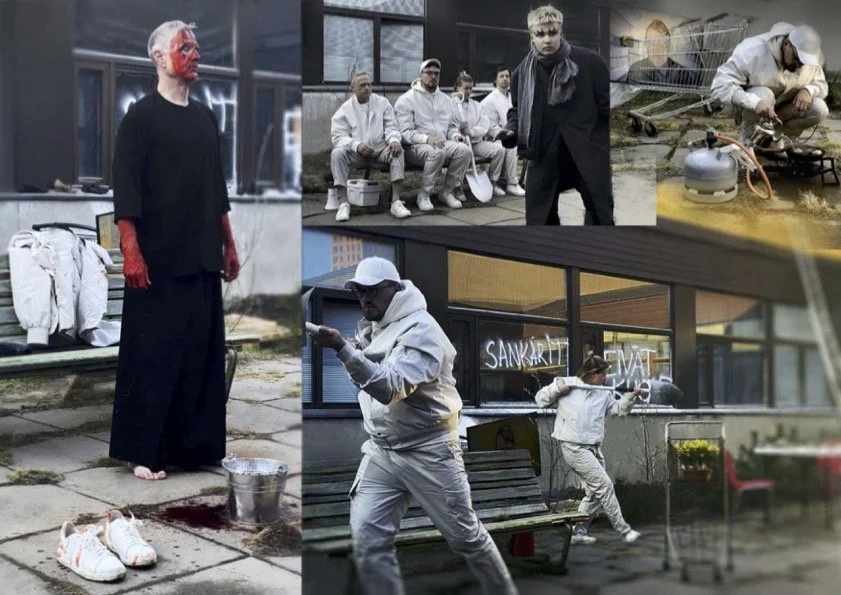
Ukrainian playwright Iryna Serebriakova's documentary play from 2024 tells about forced mobilization, men, choices and everyday life in Ukraine.
MEN IN DAYLIGHT is performed outdoors, as it is necessary to perform the play "in daylight".
The actors are Taisiya Kostyuk, Ilkka Lampi, Maksim Pavlenko and Timo Teern.
WINTER UNDER THE TABLE
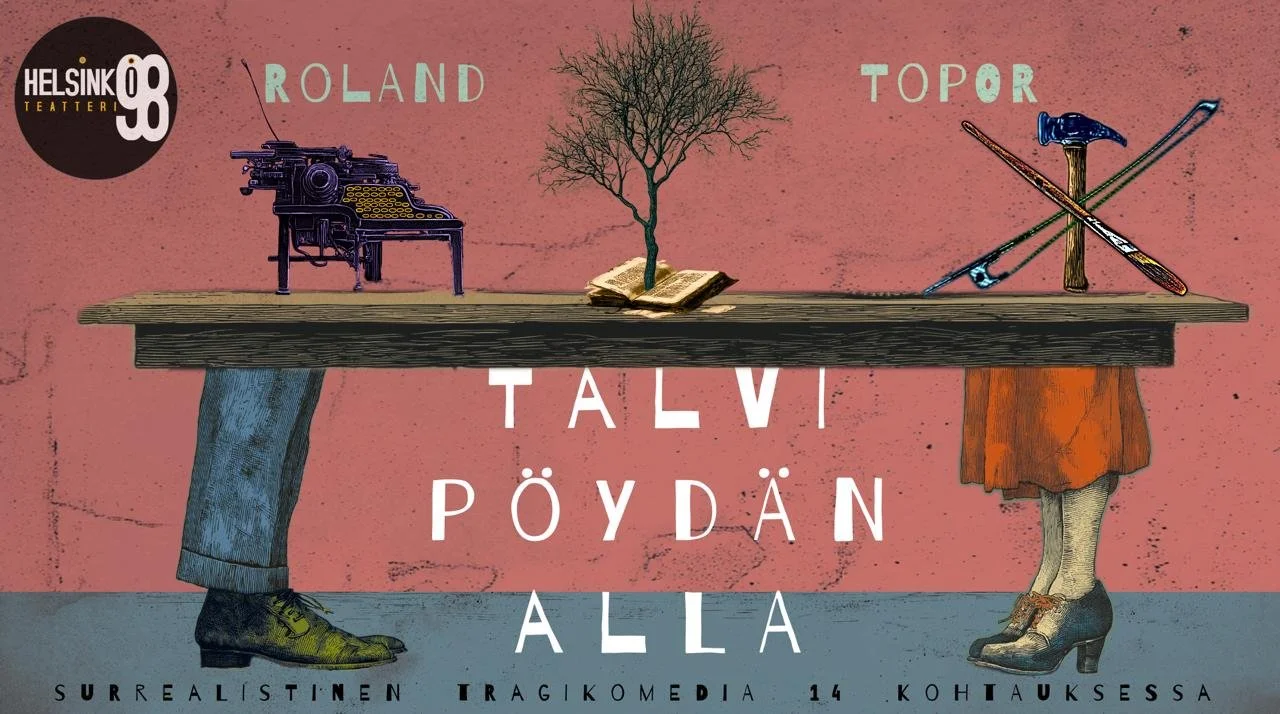
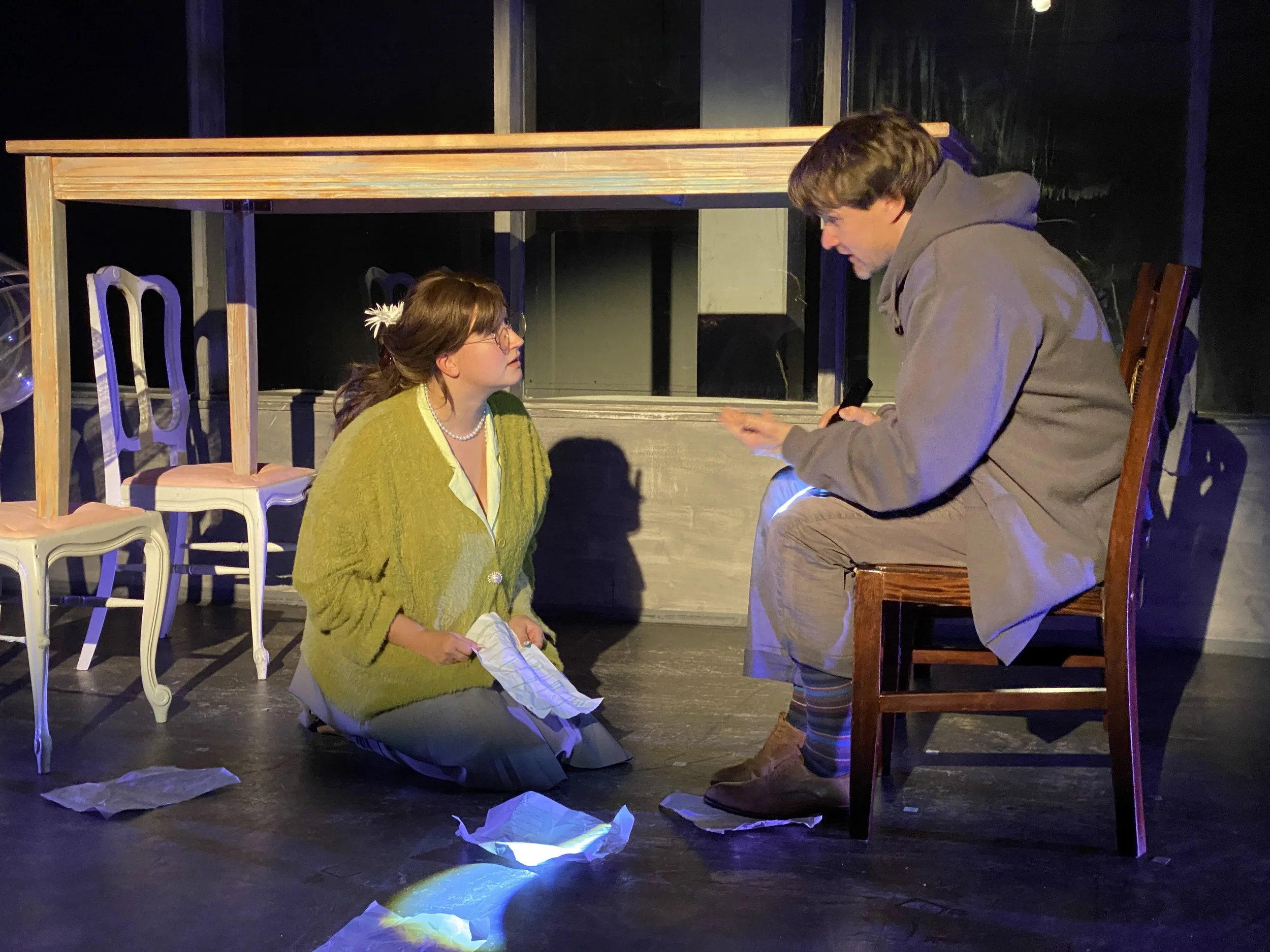
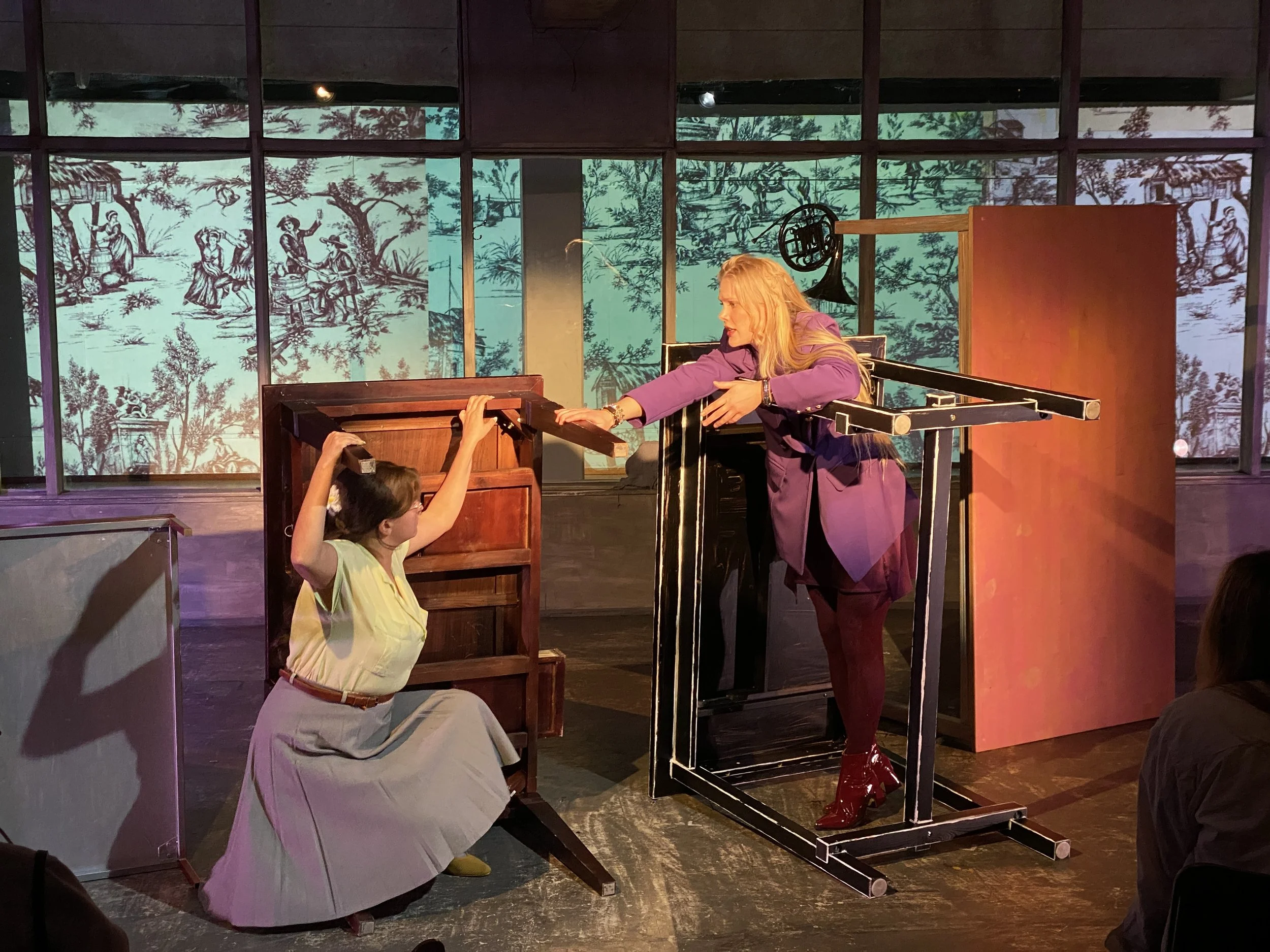
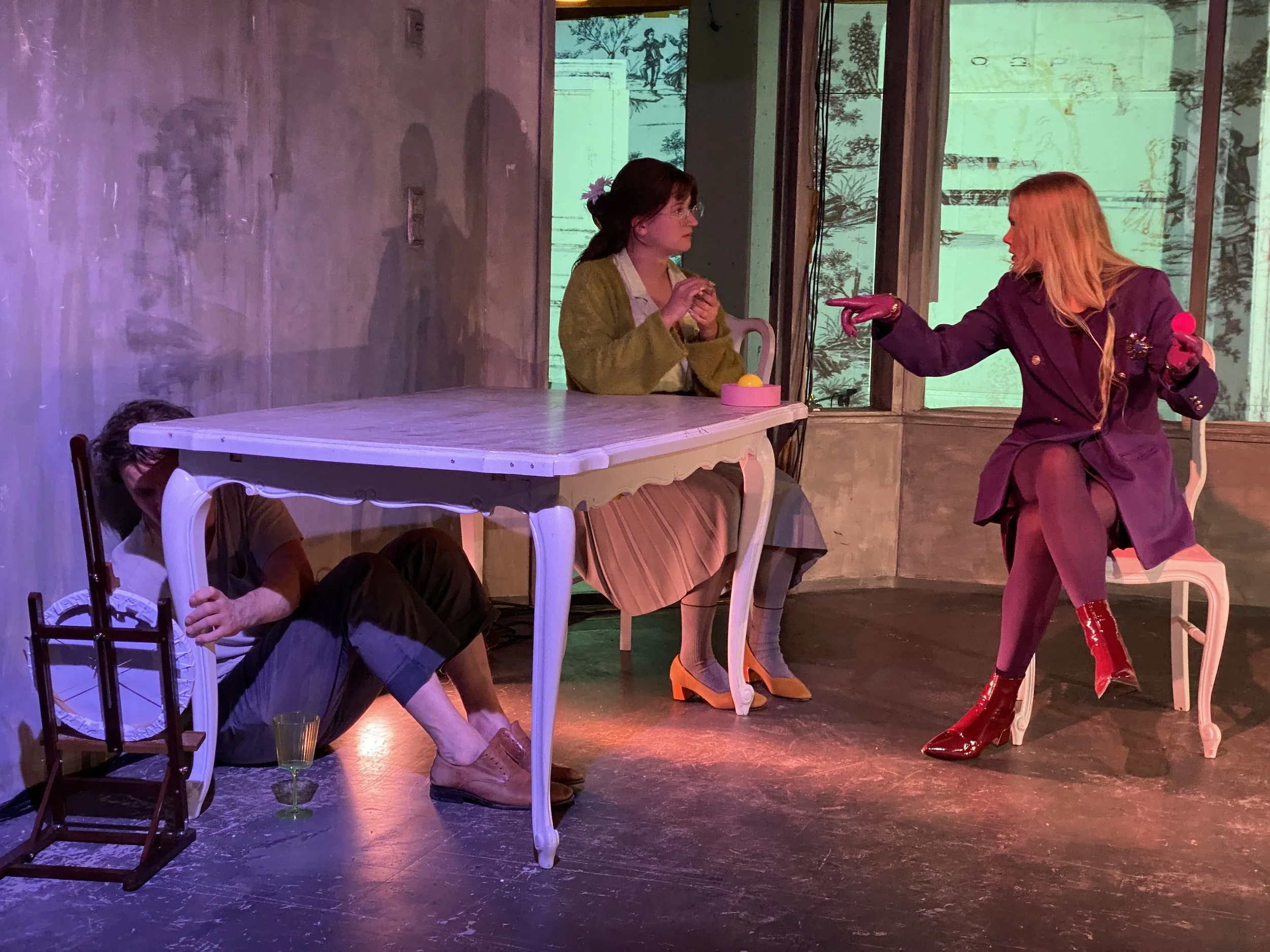
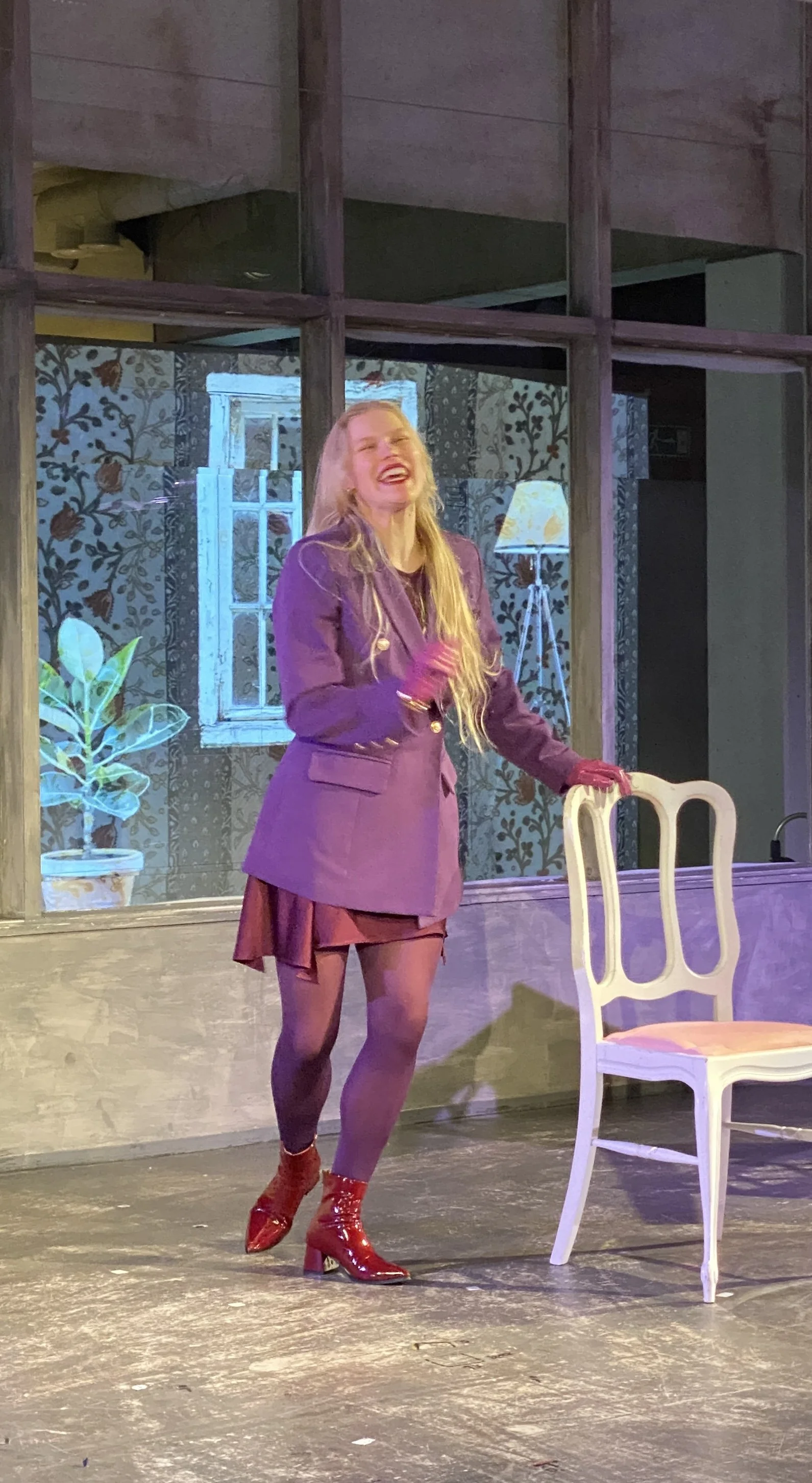
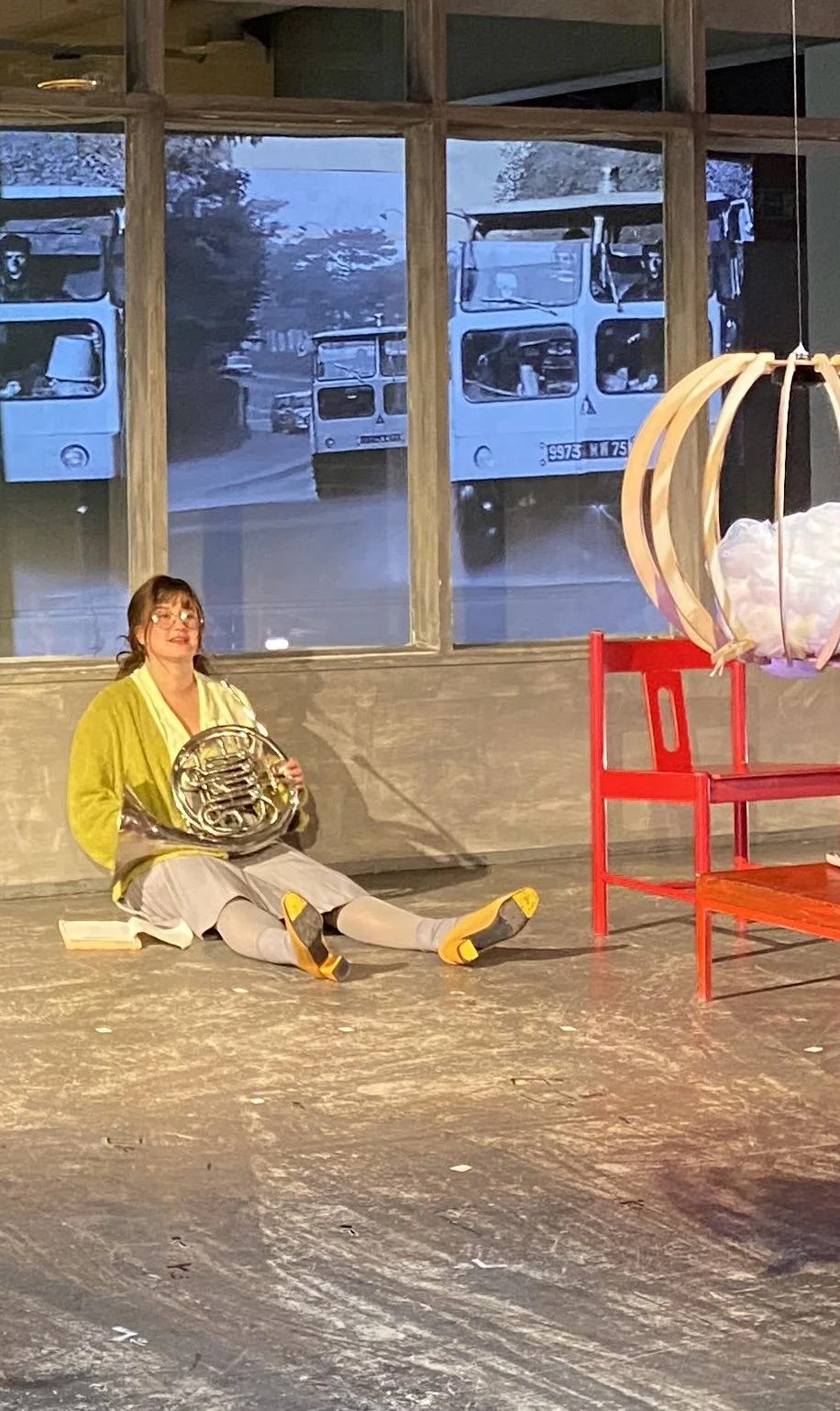
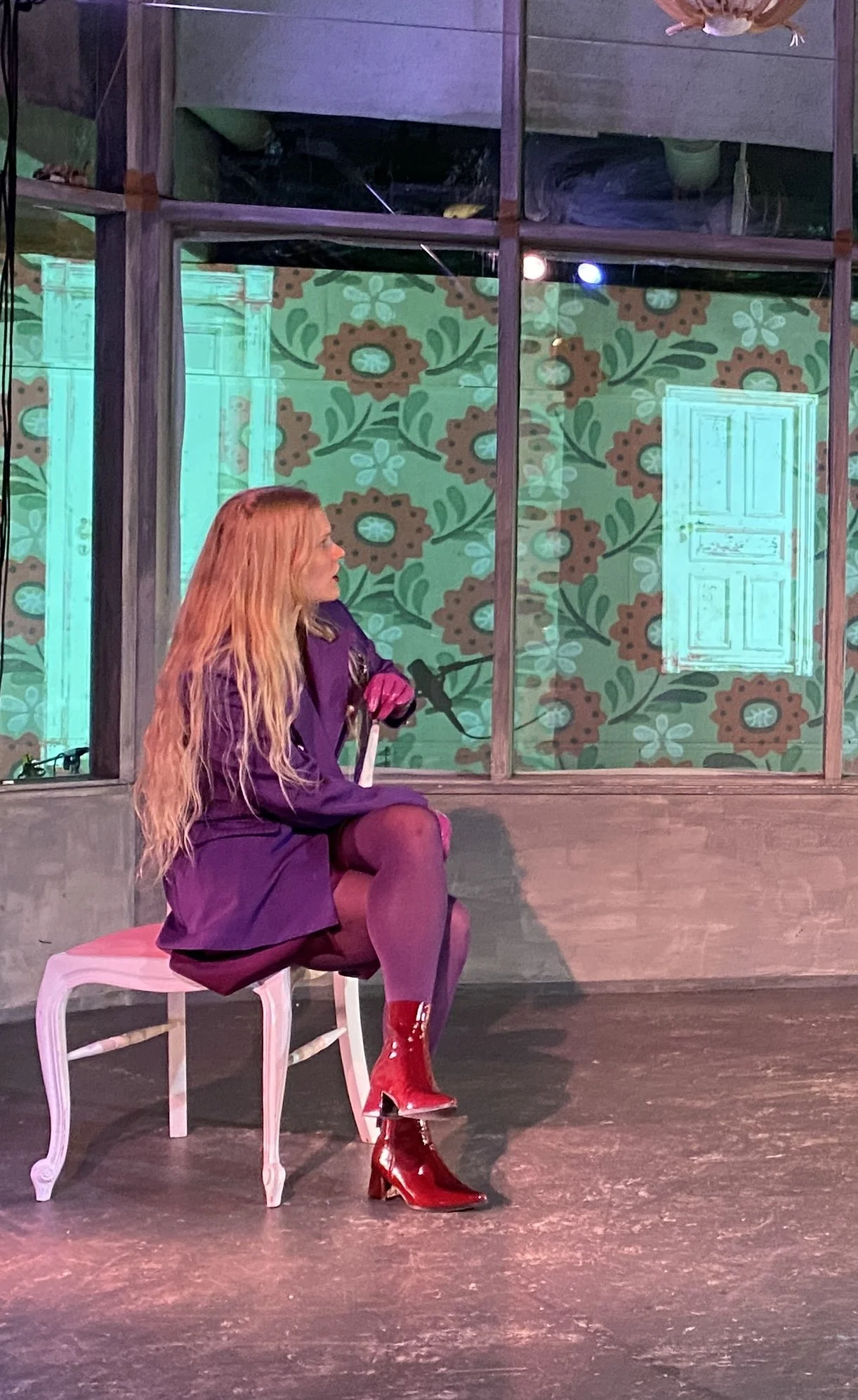
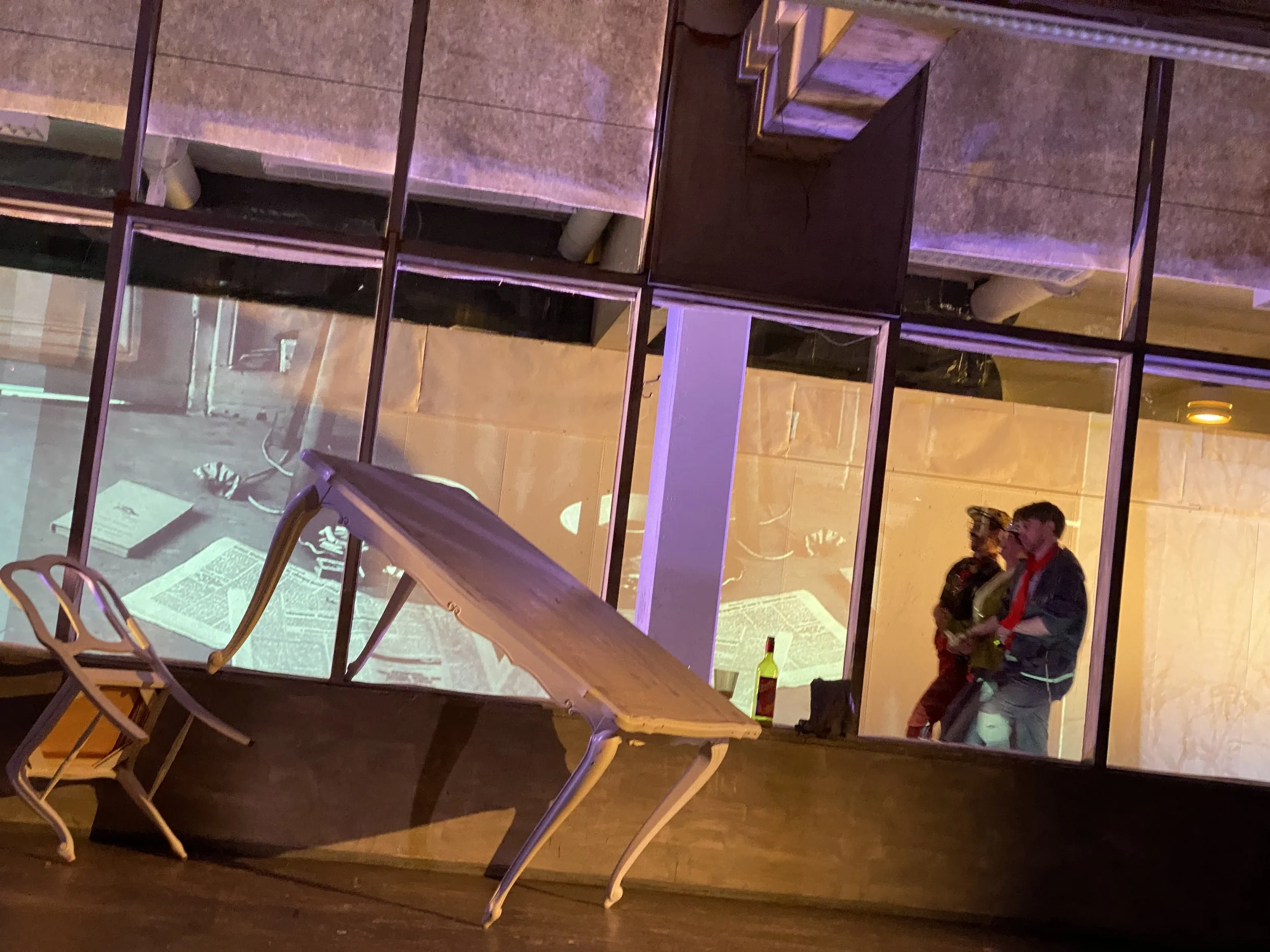
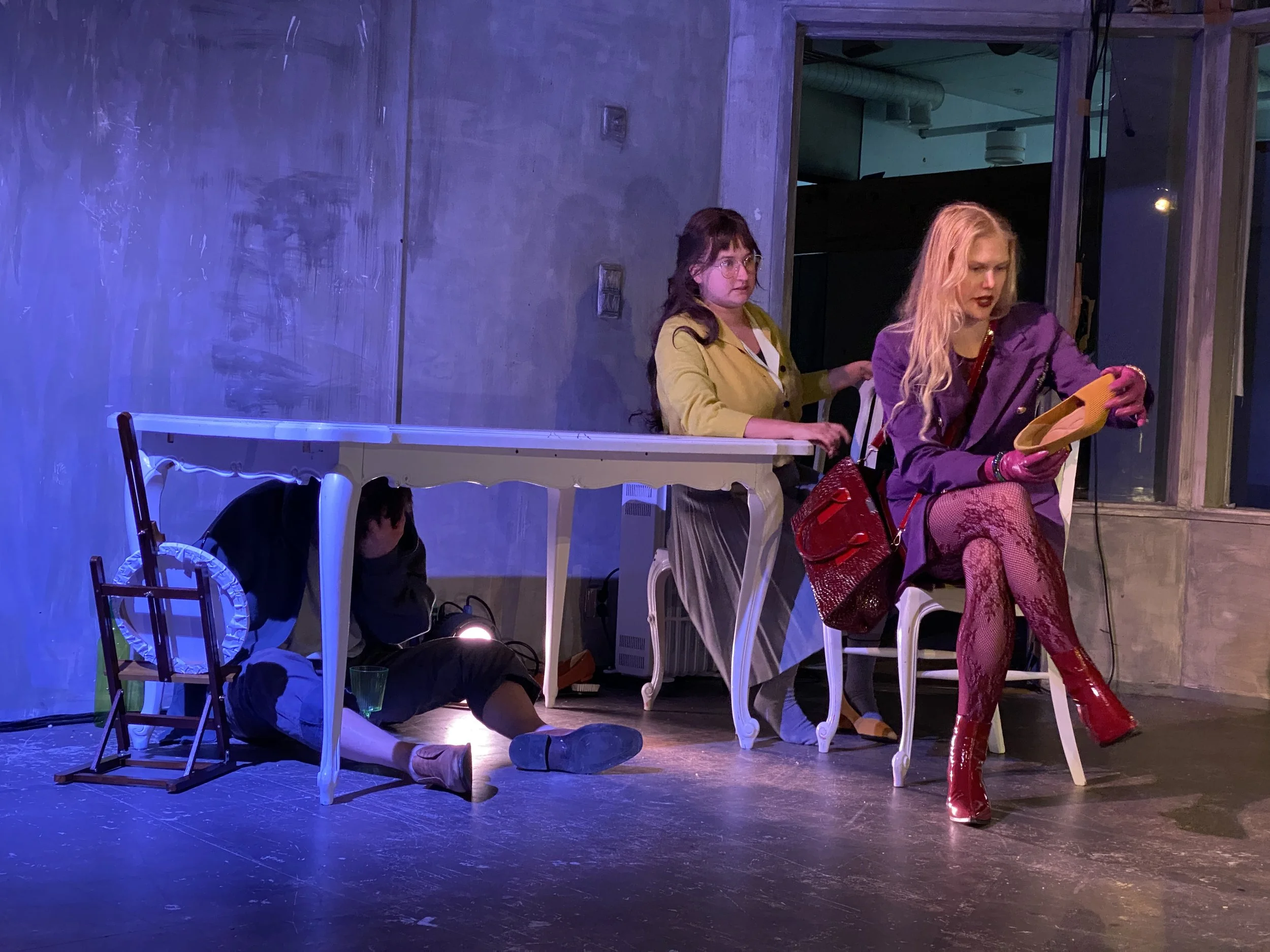
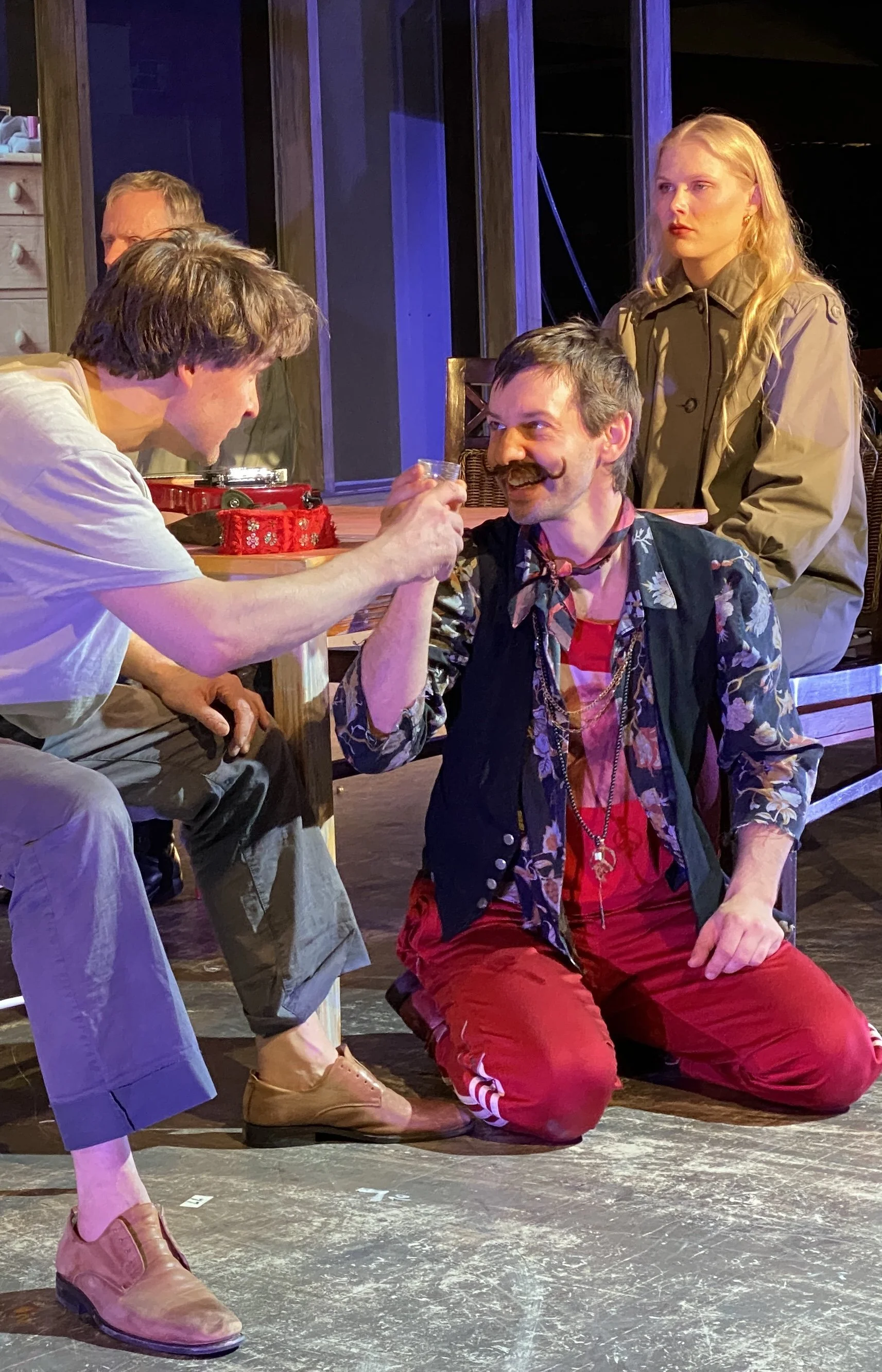
WINTER UNDER THE TABLE tells the story of Florence, a young French translator of existentialist literature, who rents out her desk to a homeless immigrant, the quiet and modest Dragomir. What happens when there is no homeland anymore and a new life begins literally under the table?
The performance raises the question of how to get immigrants from under the table to the table.
Roland Topor's WINTER UNDER THE TABLE is at the same time poetic and stark, sensitive and absurd, even a fairy-tale-like story about immigration, hope and love.
ULADZIMIR USHAKOU is a Belarusian theatre director with a long career who was forced to flee his hometown of Minsk, where he had his own theatre (the Belarusian Art Theatre of Contemporary Art).
ROLAND TOPOR (1938–1997) was a French writer, illustrator, cartoonist and actor. Topor's Polish Jewish parents fled persecution from Warsaw to France in the 1930s.
KOLYMA TALES
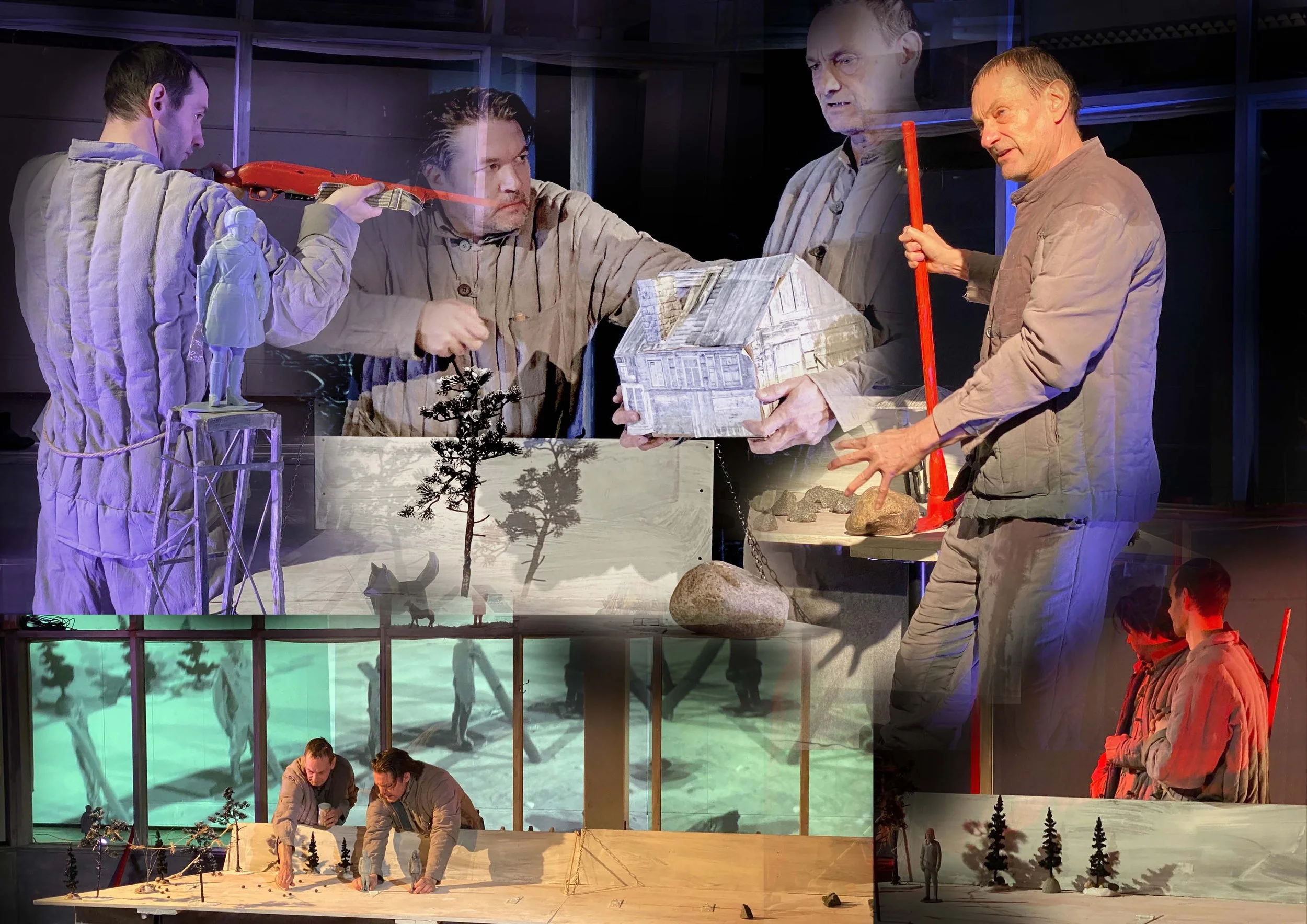
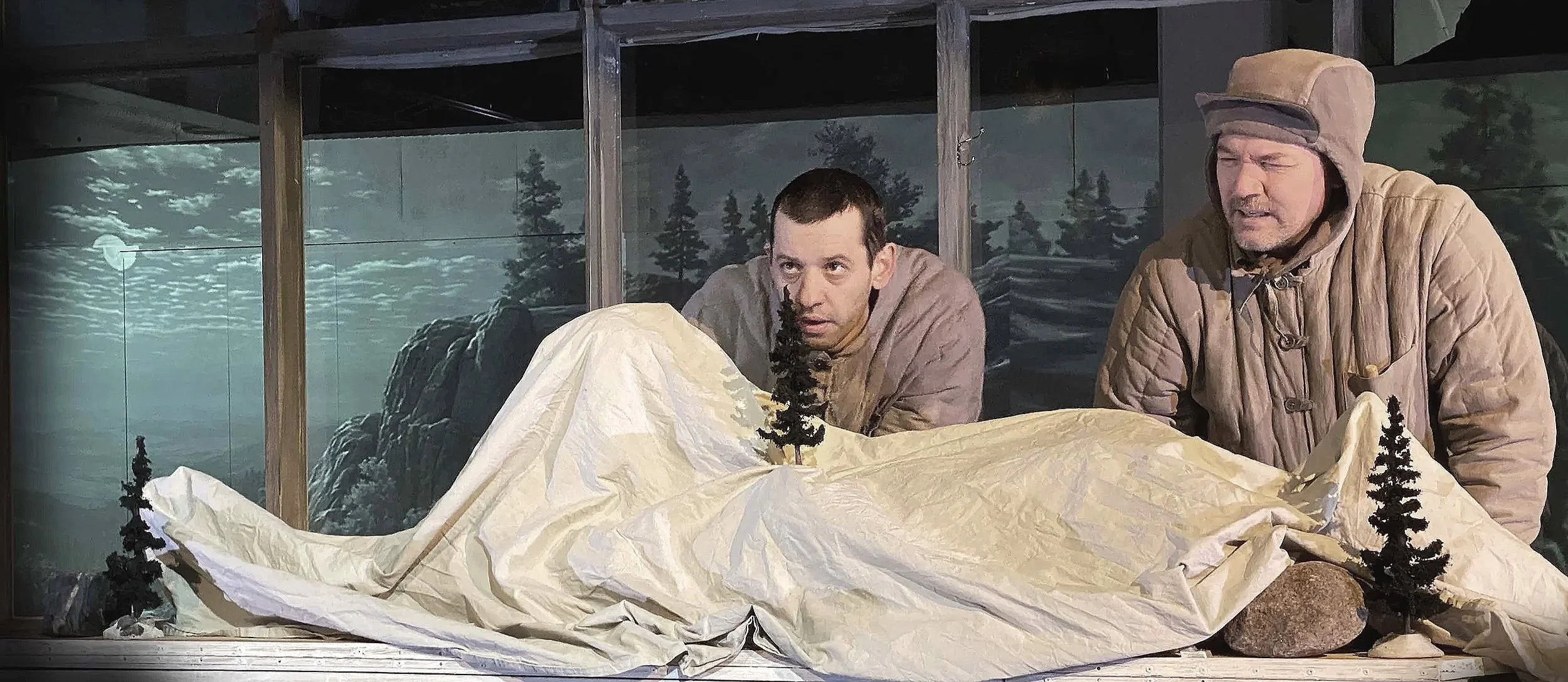
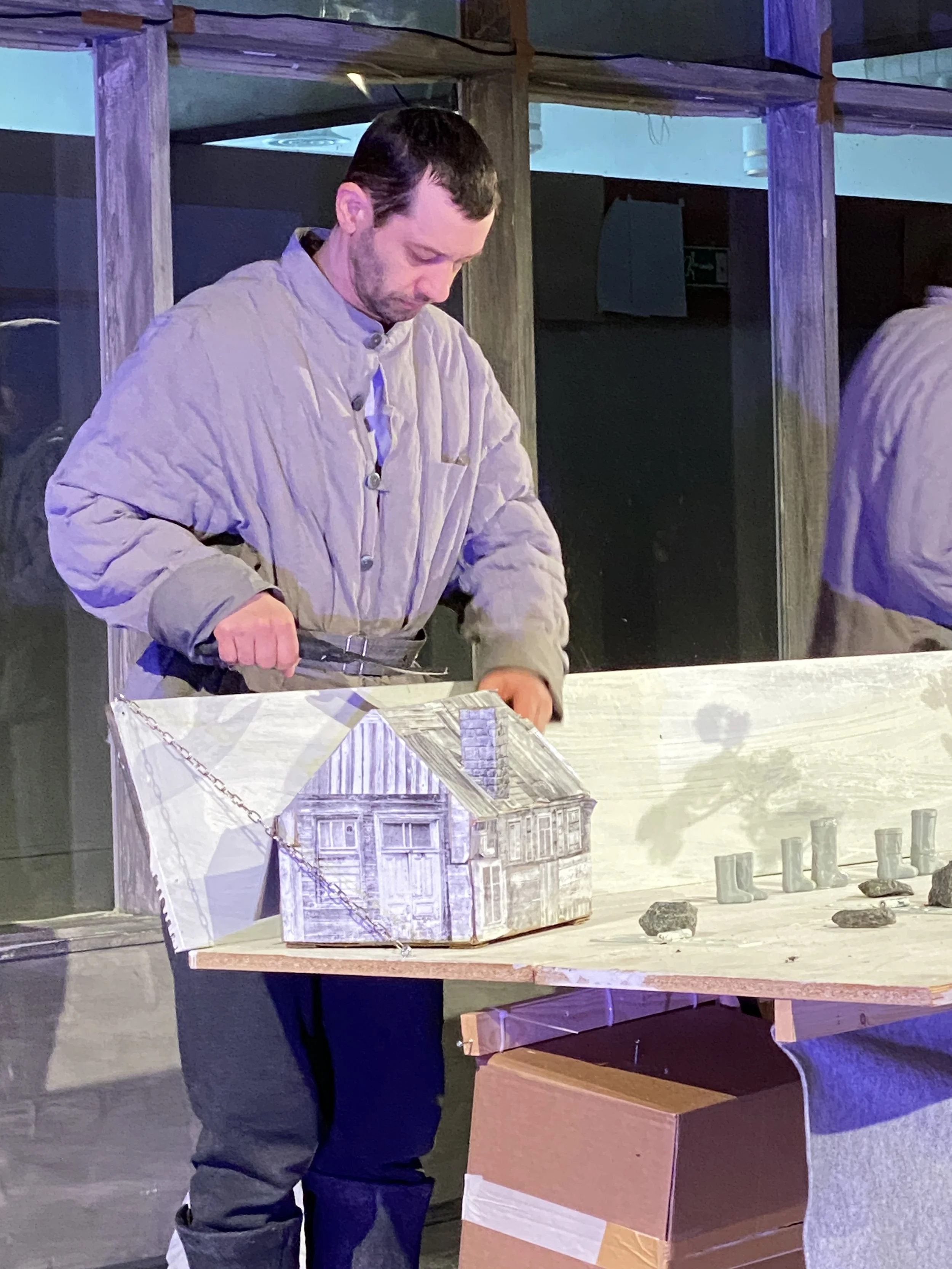
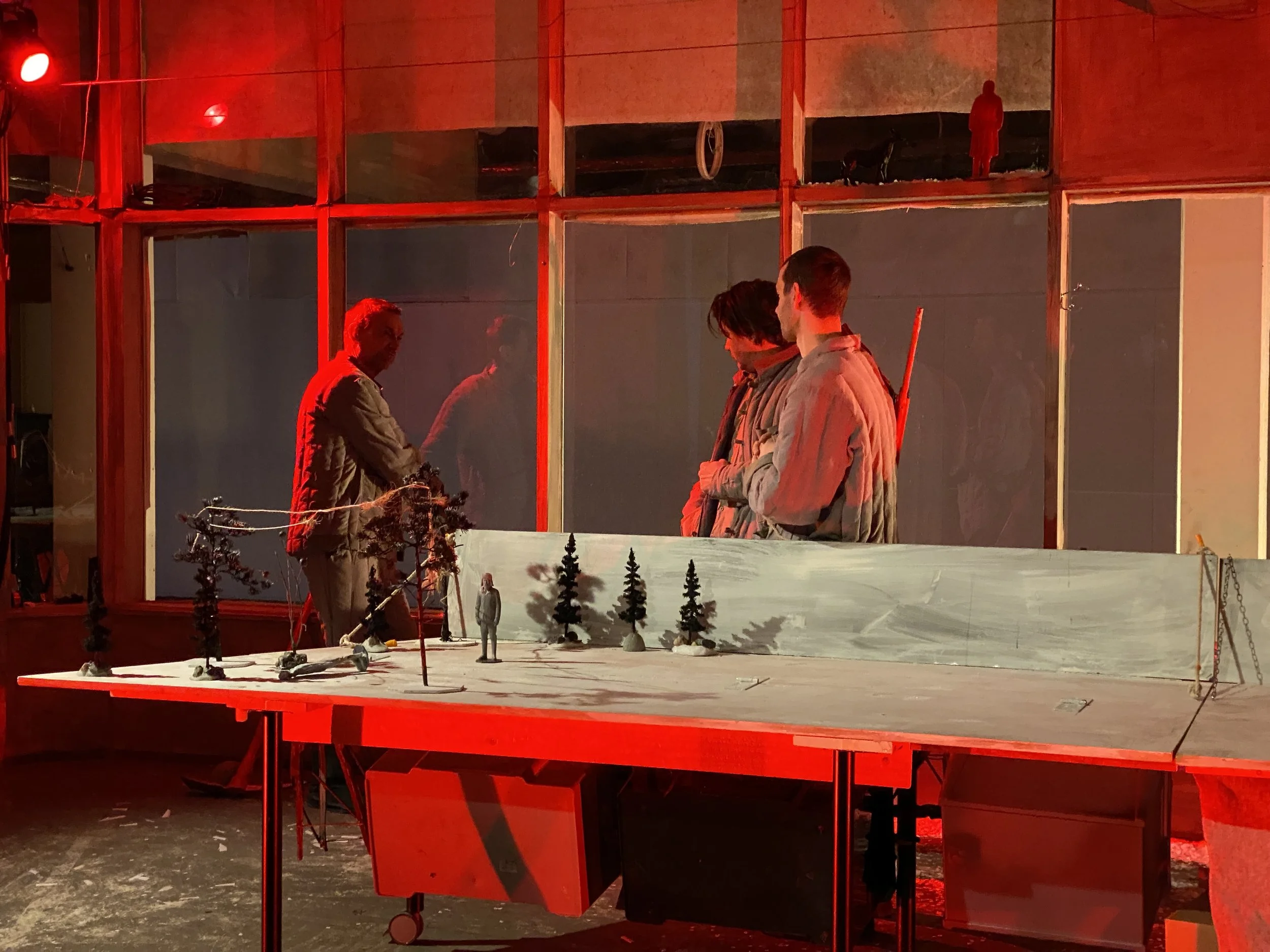
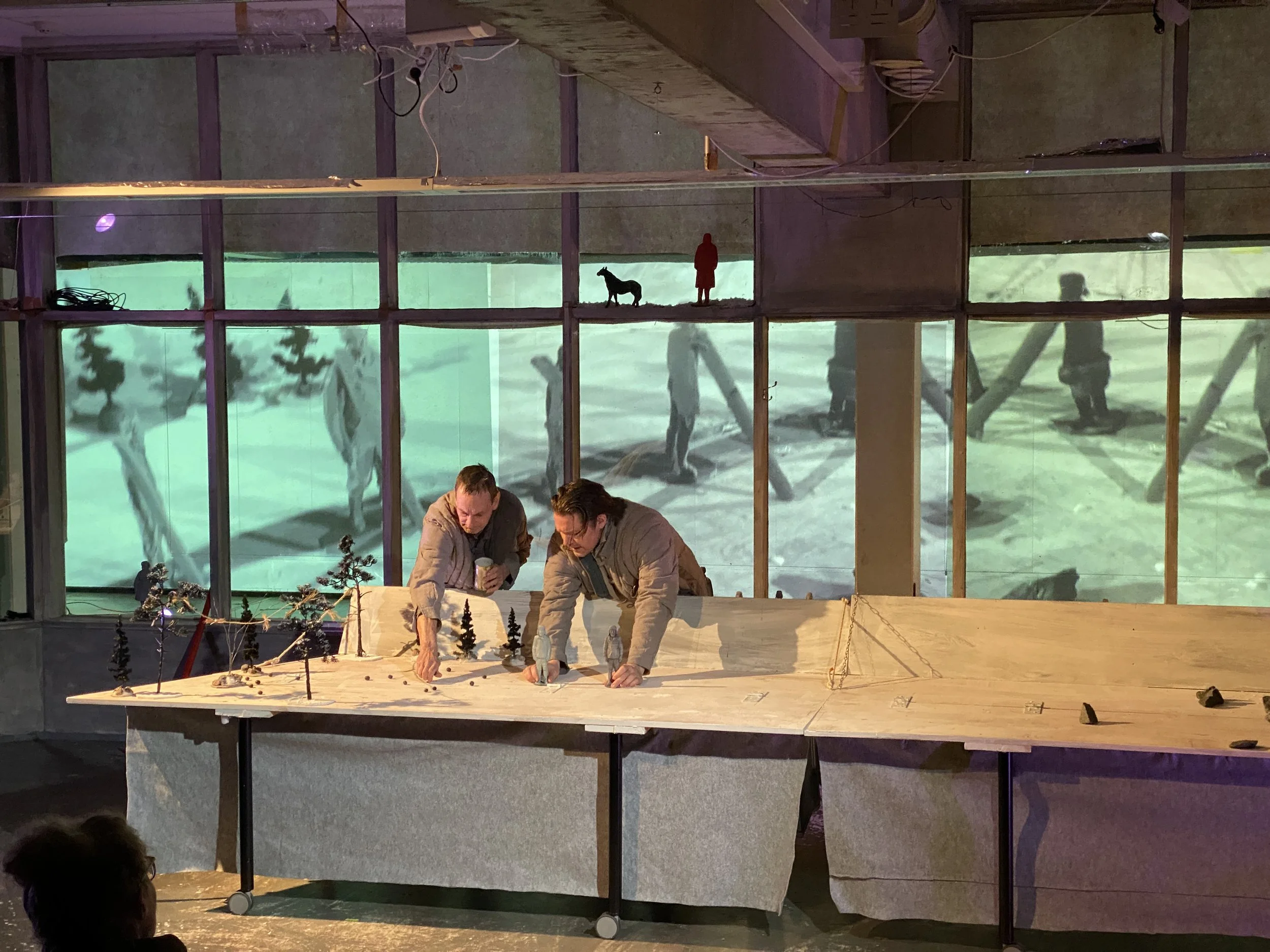
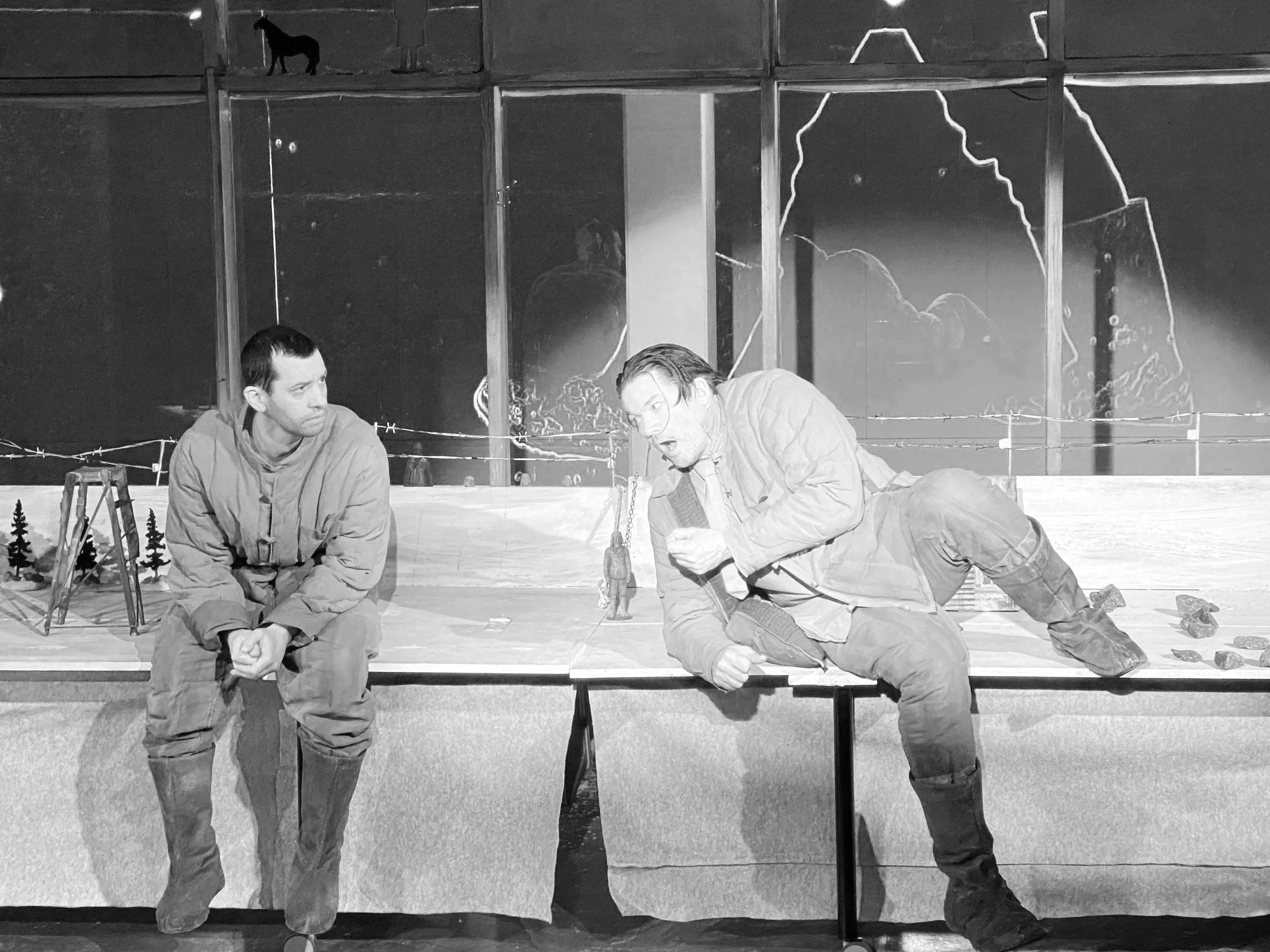
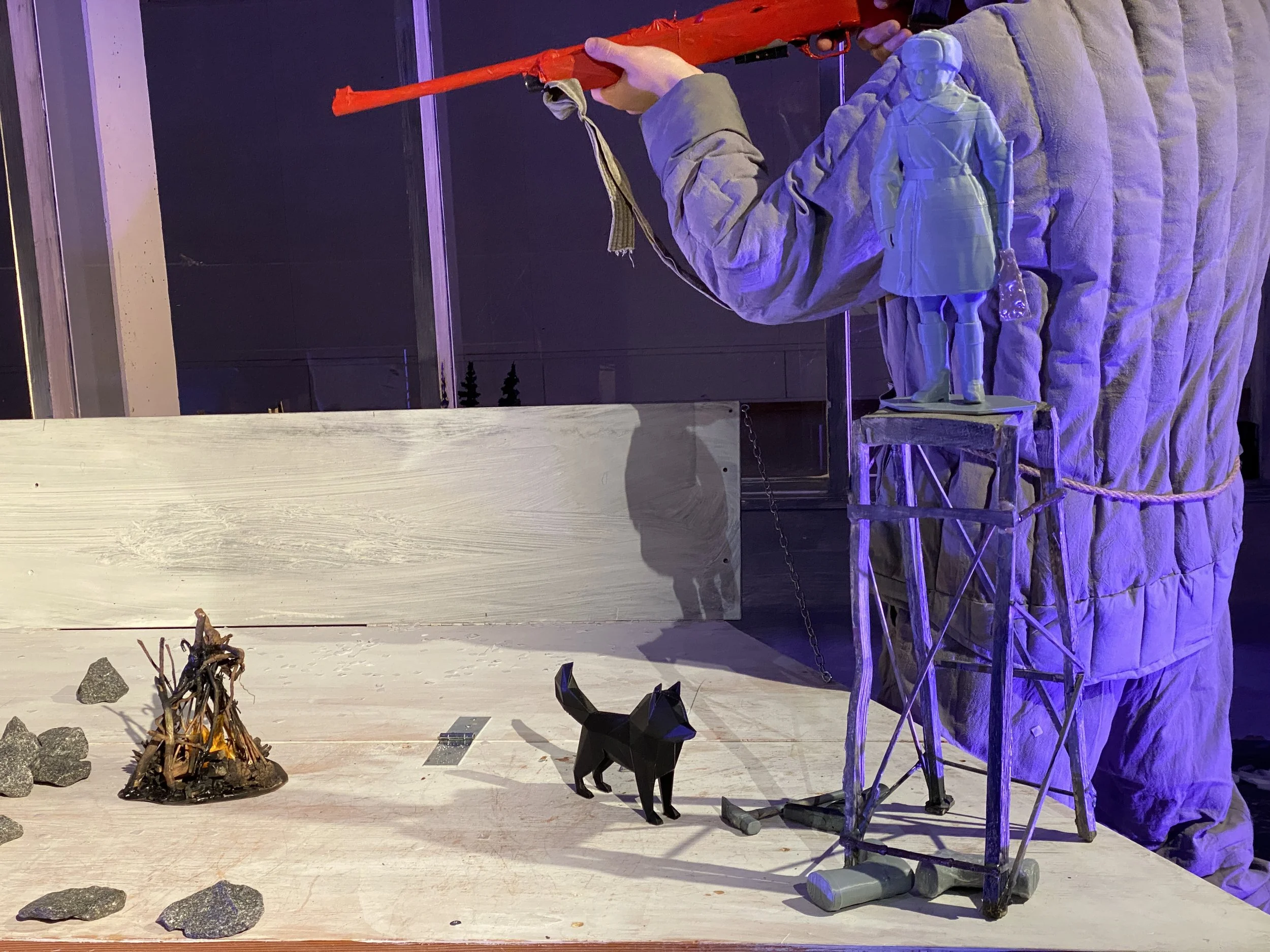
Helsinki 98 brings to the stage one of the most shocking but also most significant literary testimonies of the 20th century about the Soviet forced labor camps. The theatre group’s new performance is based on Varlam Šalamov’s short story collection Kolyma Stories, which describes humanity in extreme conditions.
Helsinki 98’s Kolyma Stories does not offer easy answers, but forces the viewer to reflect on the world and humanity and ultimately the beauty of life. The performance brings to the stage both a believable theatrical experience and respect for those who wrote, died and were forgotten. For the Vuosaari audience, it is an opportunity to encounter a piece of history and at the same time examine what humanity really means.un.
Cast: Sami Lanki, Juha-Pekka Mikkola and Maksim Pavlenko
THE ORIGINAL MUSIC WRITTEN BY DOCTOR J. FAUST AFTER HIS DEATH
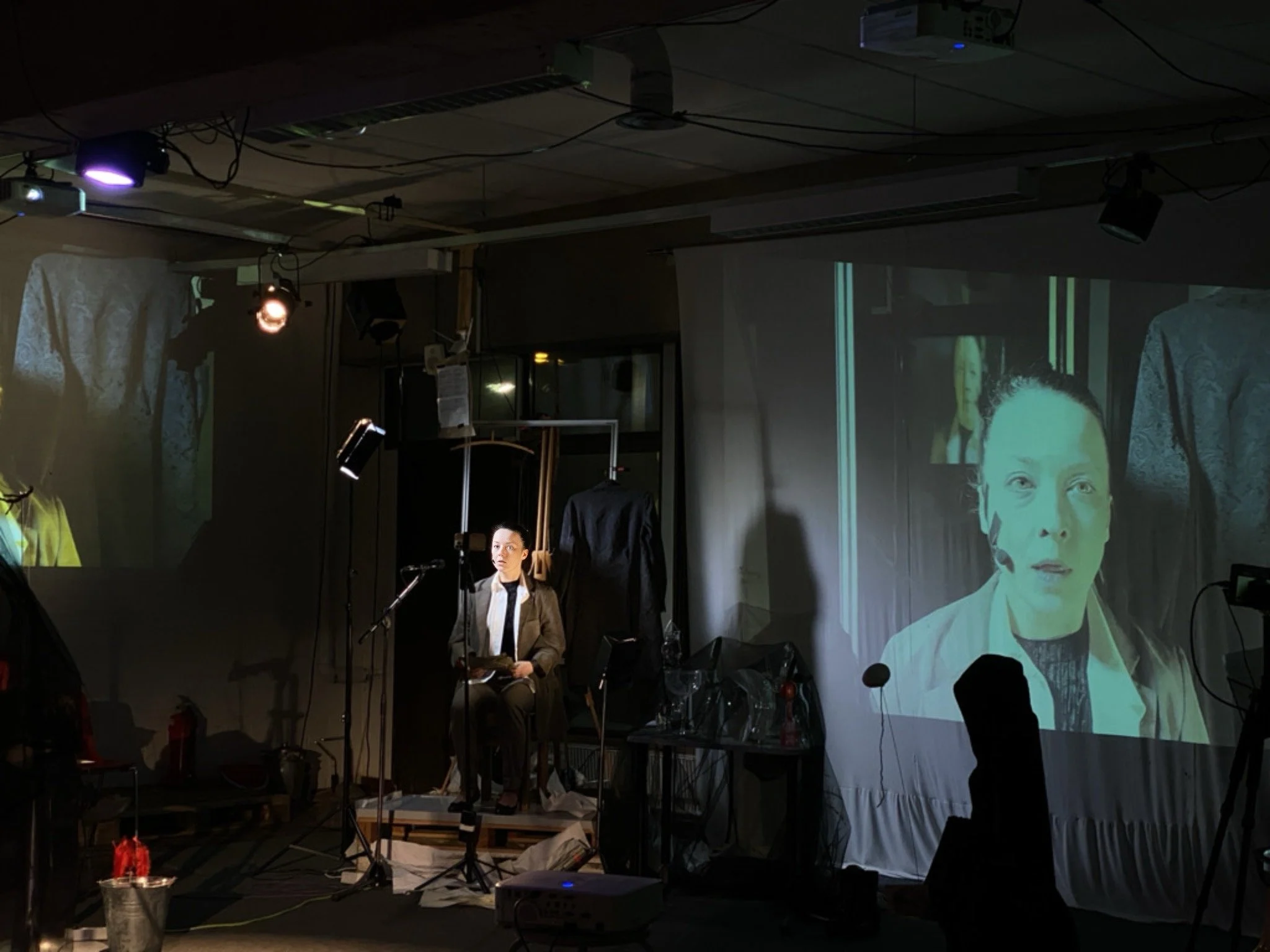
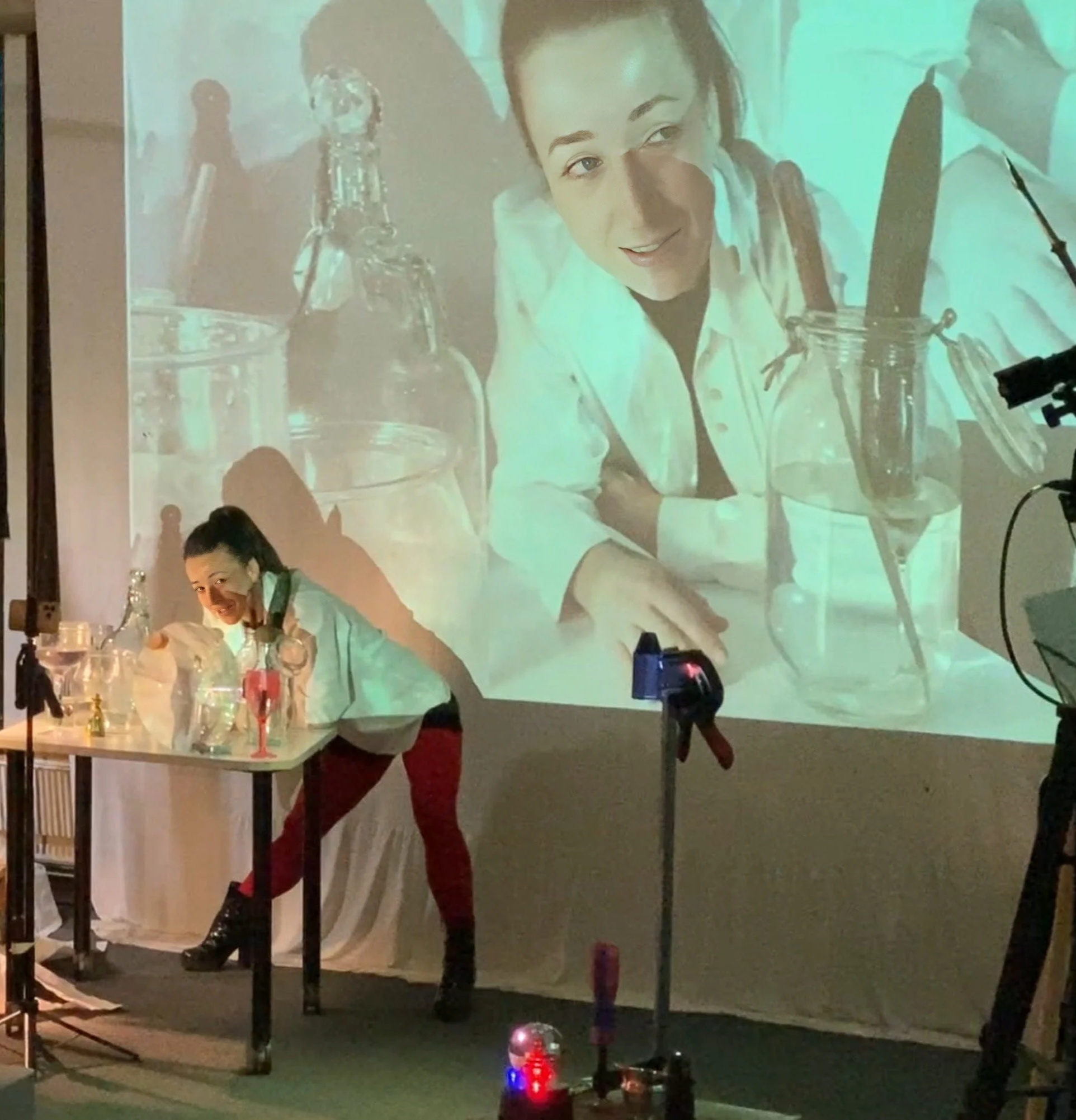
THE ORIGINAL MUSIC WRITTEN BY DOCTOR J. FAUST AFTER HIS DEATH is based on a script by Maksim Isaev, and its idea and concept belong to visual magician Pavel Semchenko, known from previous Helsinki 98 productions, who fled from Russia to Finland in March 2022.
Faust, a burnt-out alchemist, a seeker of metaphysical truth who was never put on a pedestal, staggers and tries to get a grip on the infinite. But Mephistopheles is not the lord of darkness, but rather a bored dealer in a casino located in a back alley of the universe, who rolls dice just for his own amusement.
THE ORIGINAL MUSIC COMPILED BY DOCTOR J. FAUST AFTER HIS DEATH is a contemporary dramatic performance that utilizes various vocal, linguistic and musical as well as visual, material and spatial dimensions.
On stage:
Anastasia Trizna
Pavel Semchenko
Samuli Kivelä
HUOLTO 4:18
HUOLTO 4:18
Myllyteatteri and Helsinki 98's anarchist tragicomedy plays the dark core of a troubled mind.
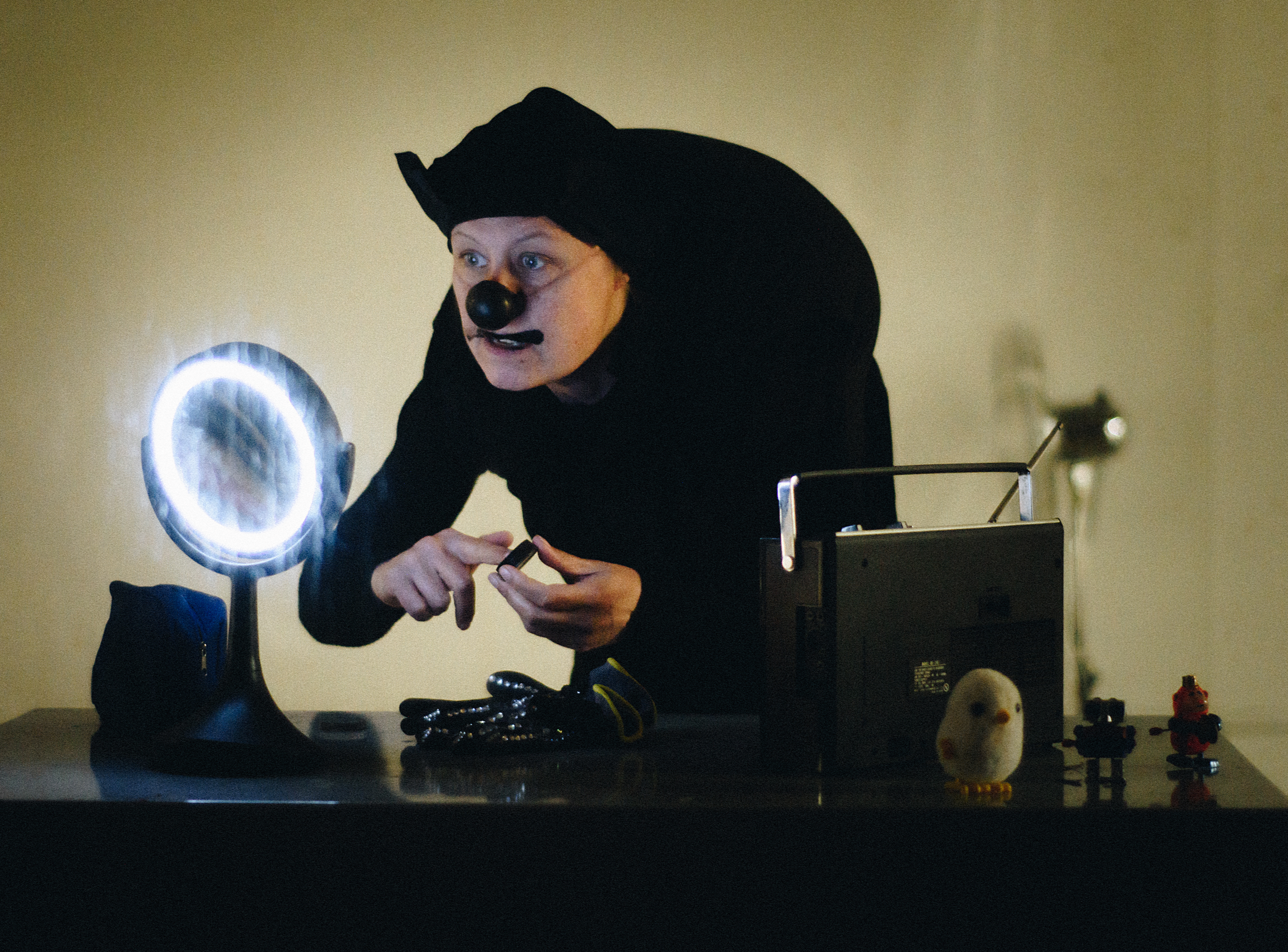
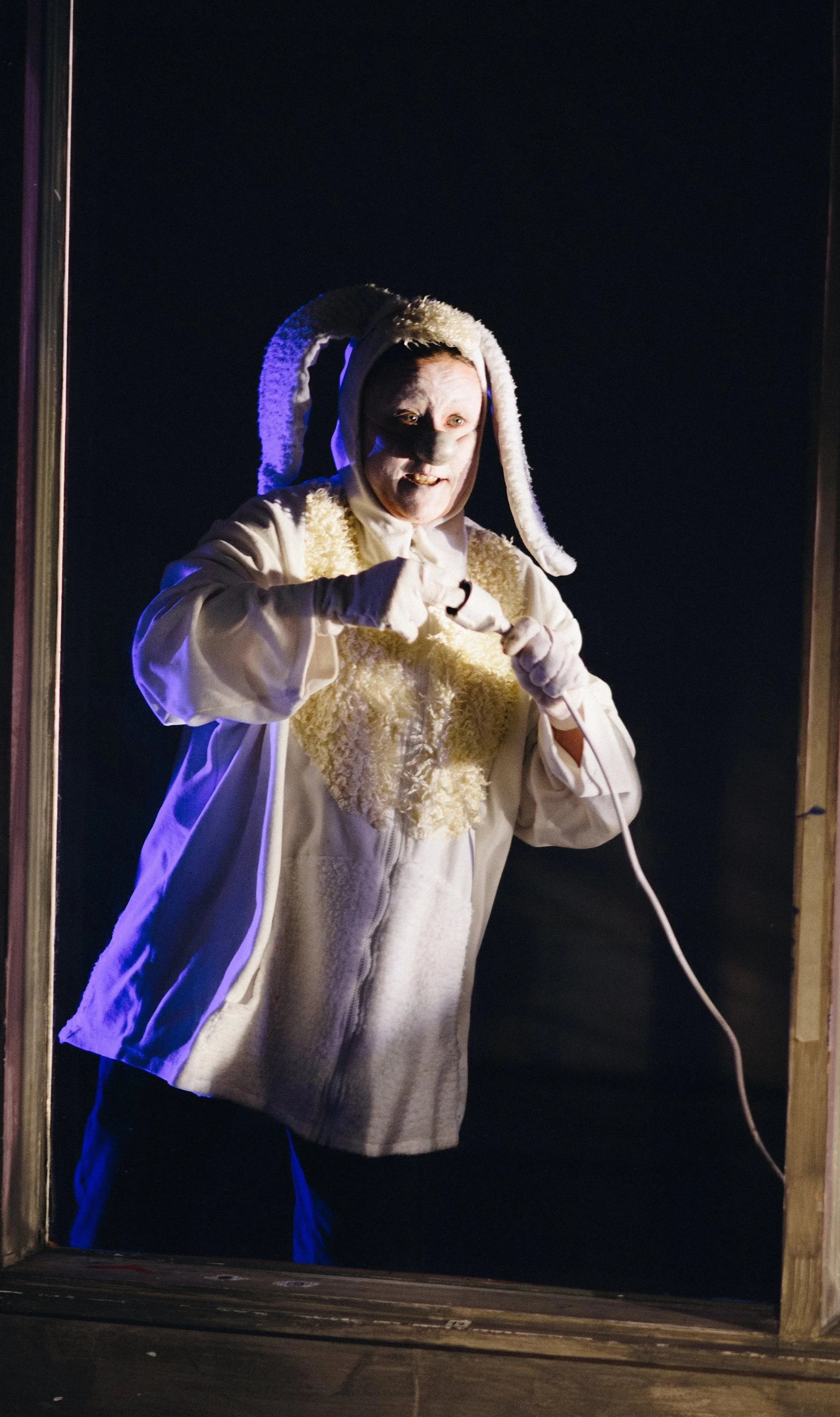
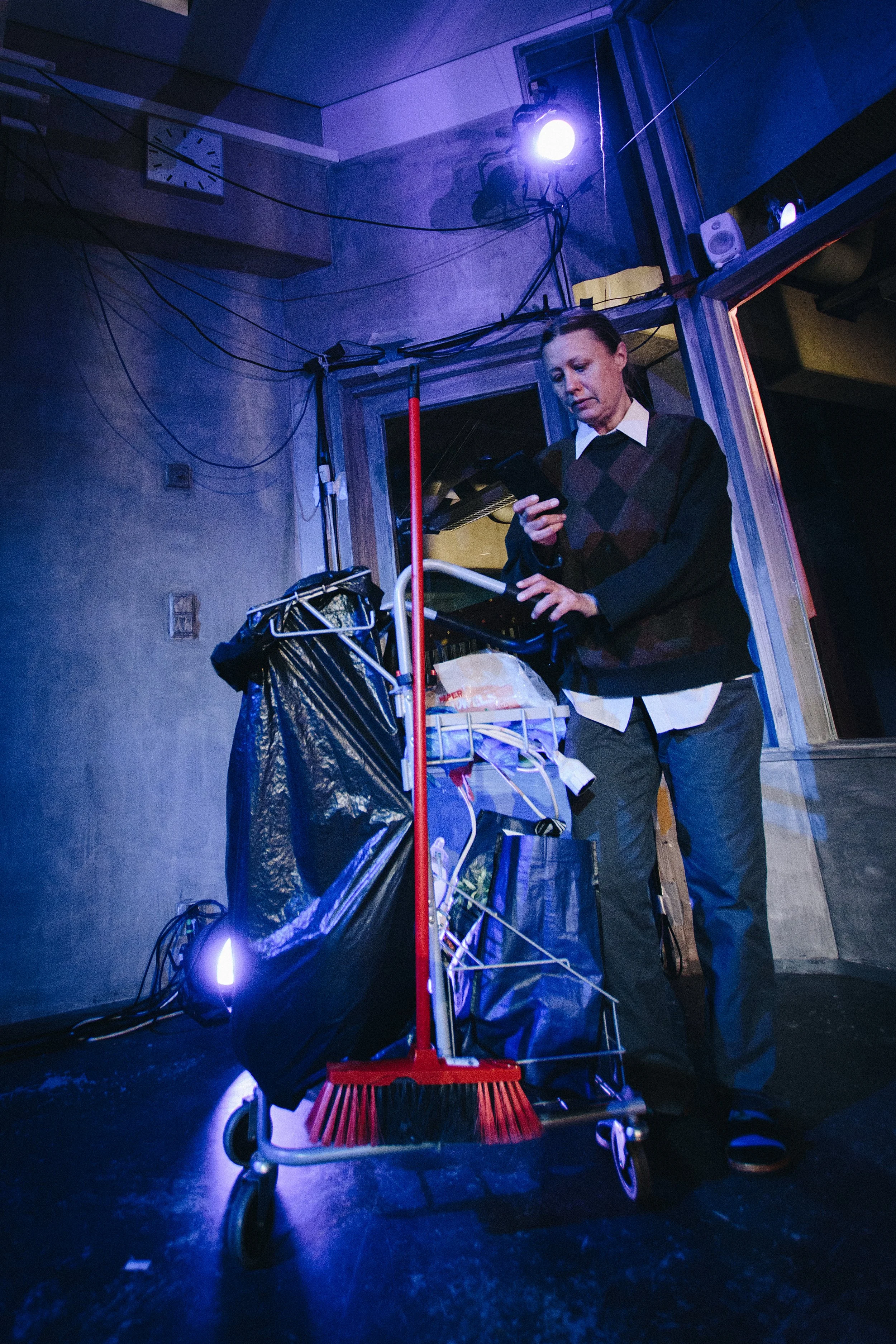
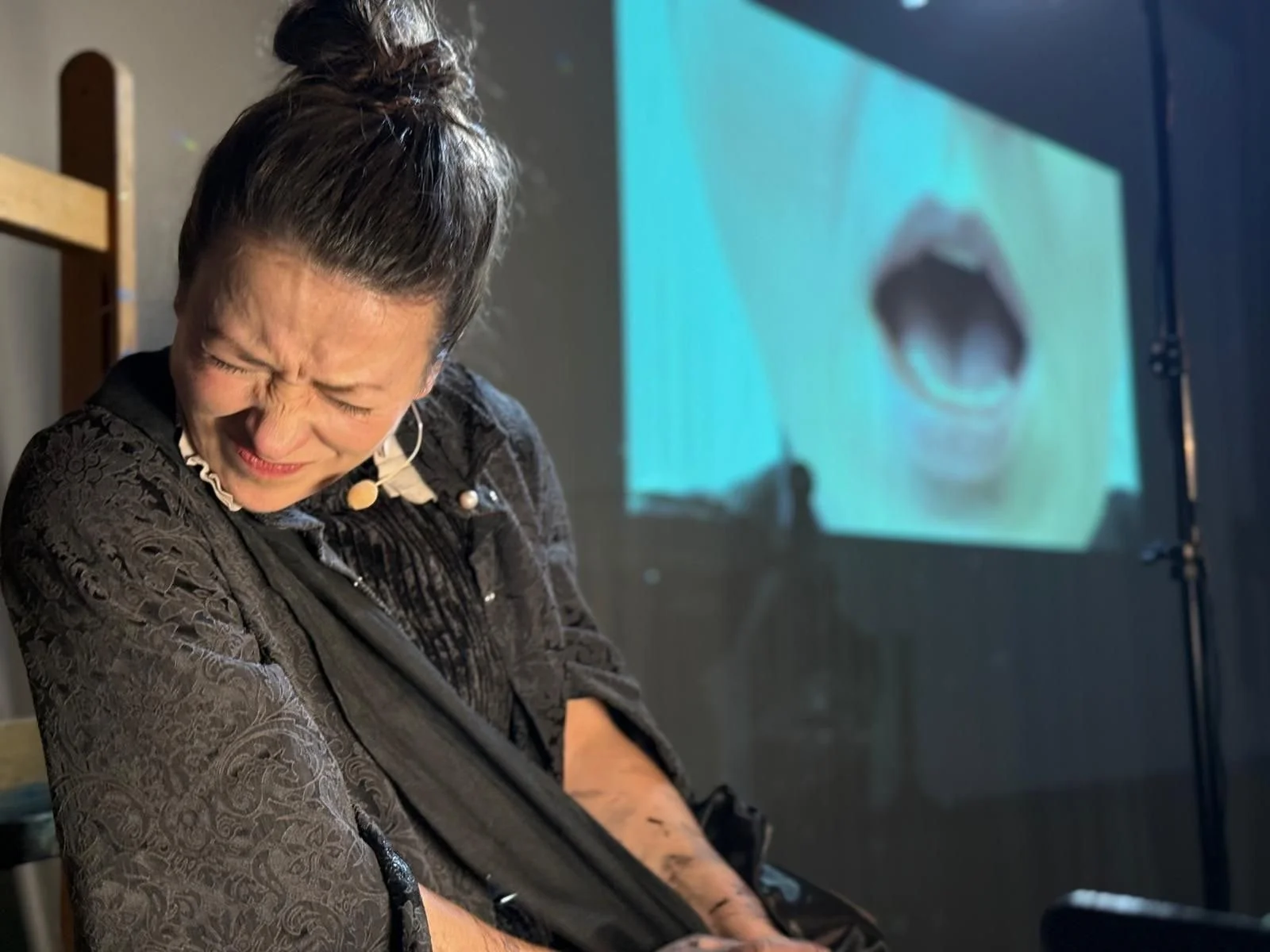
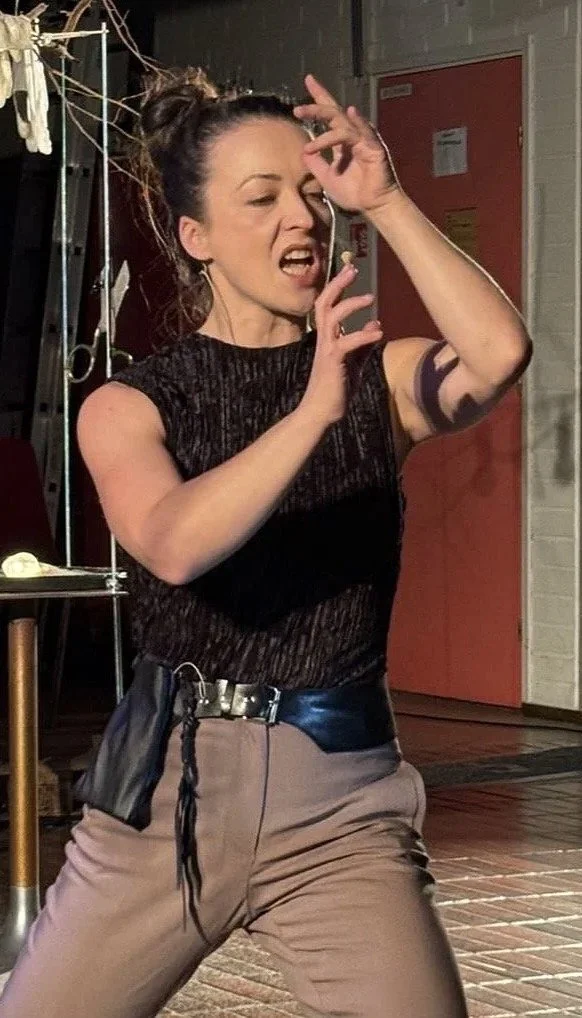
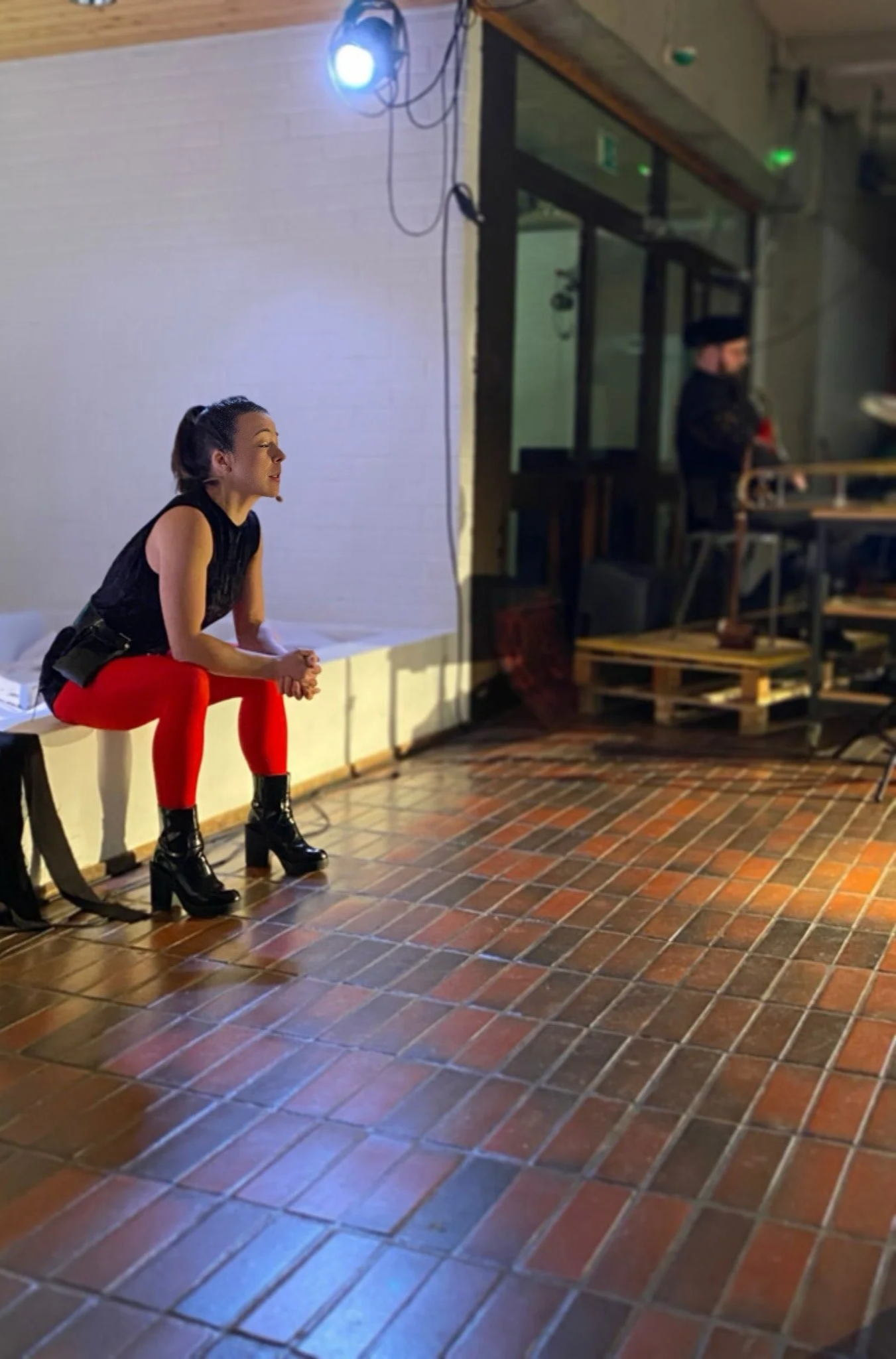
HUOLTO 4:18 is an anarchist tragicomedy produced in collaboration between Myllyteatteri and Helsinki 98, where humor bursts out and reveals something we would not like to see. The performance opens a brutal picture of the mental landscape of an individual institutional worker in a time when the resources of the precarious class are finally being used up.
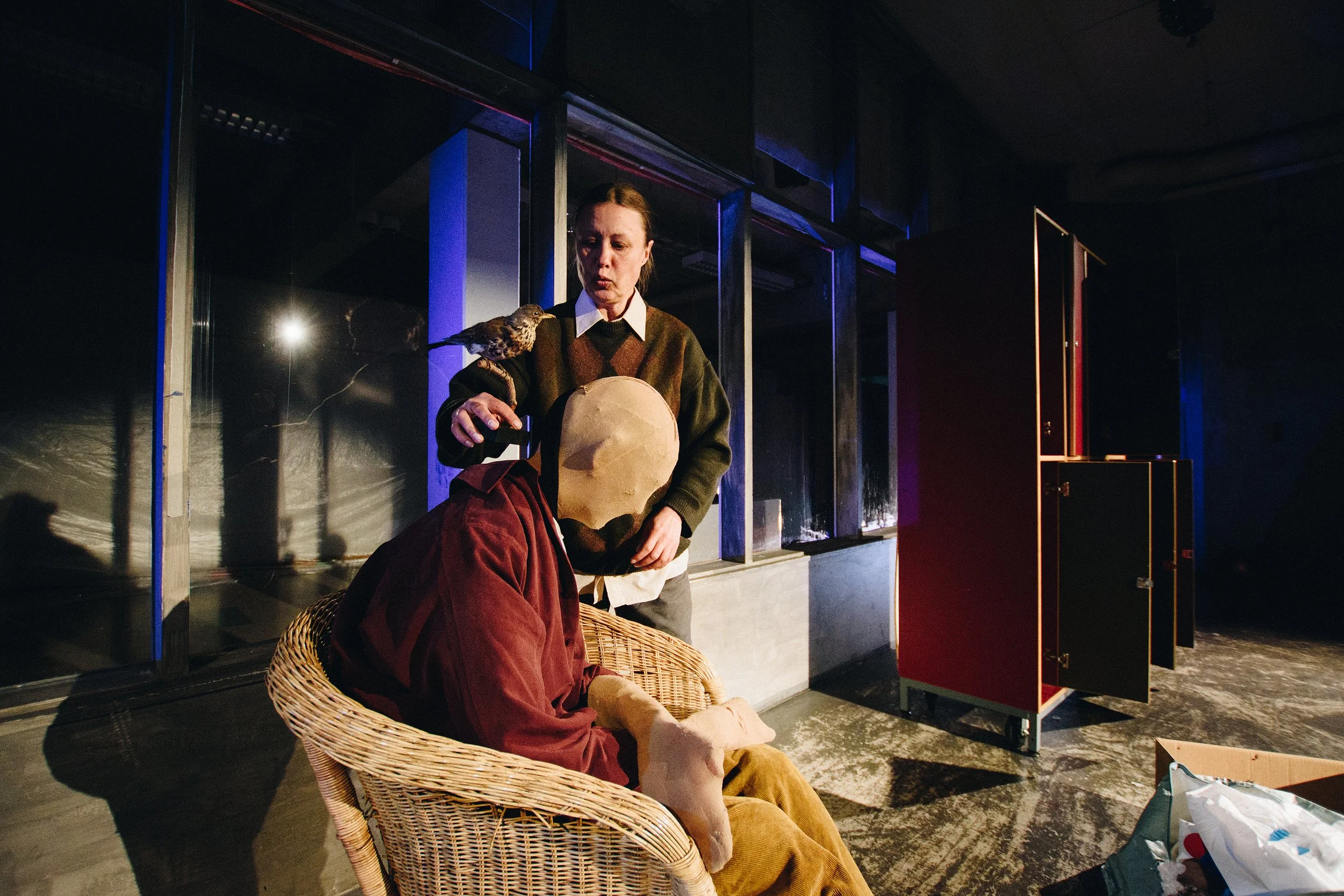
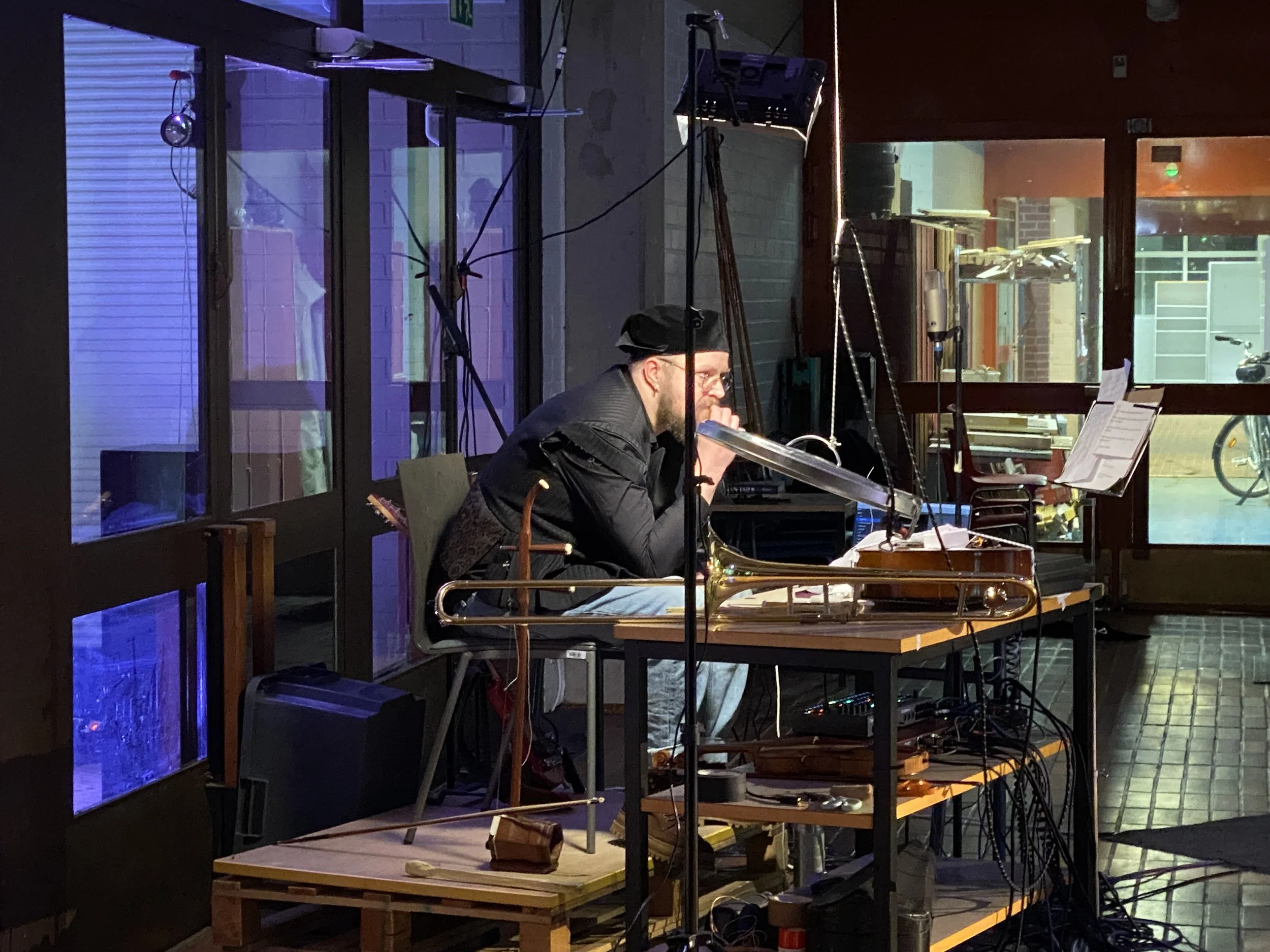
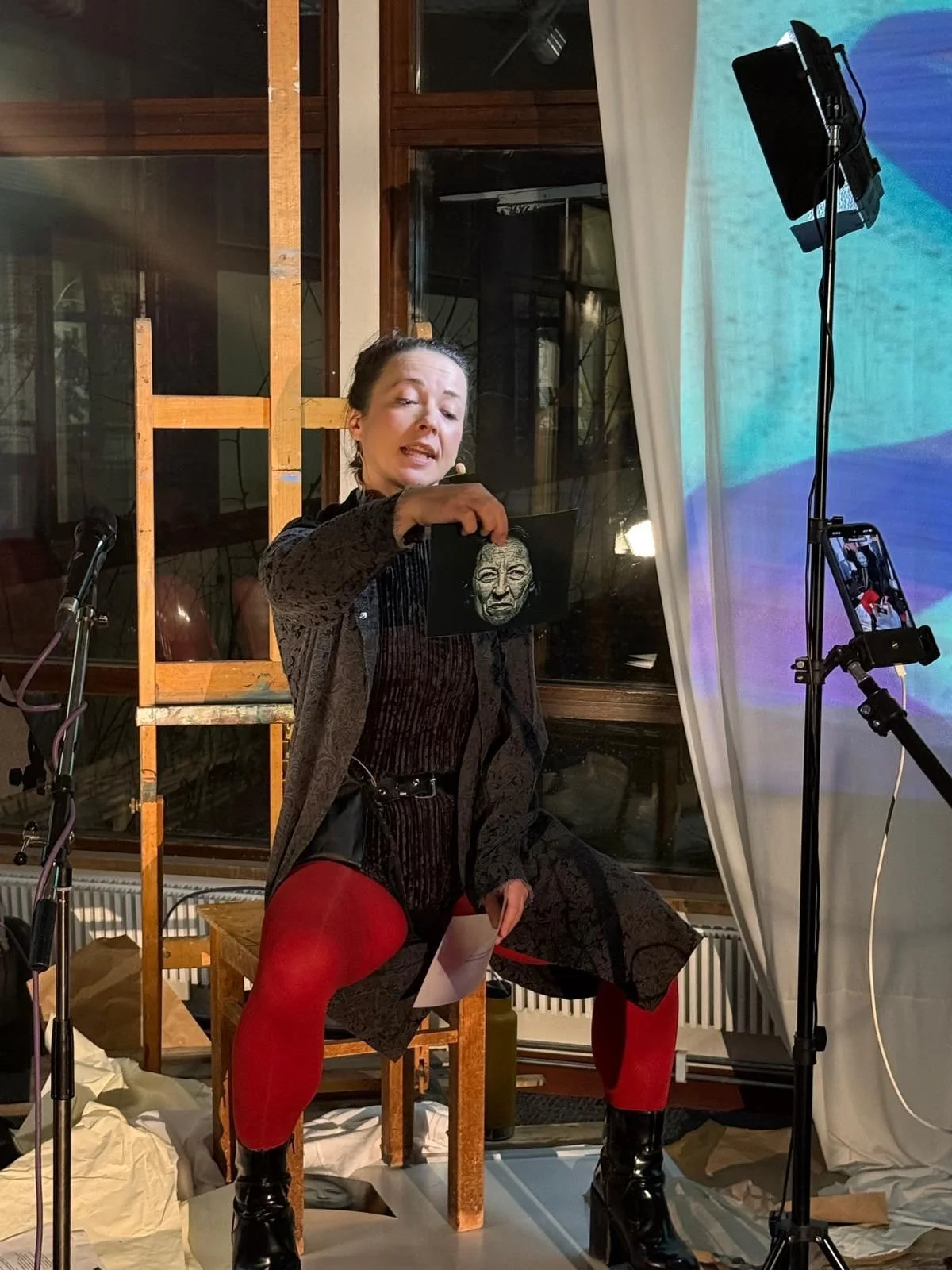
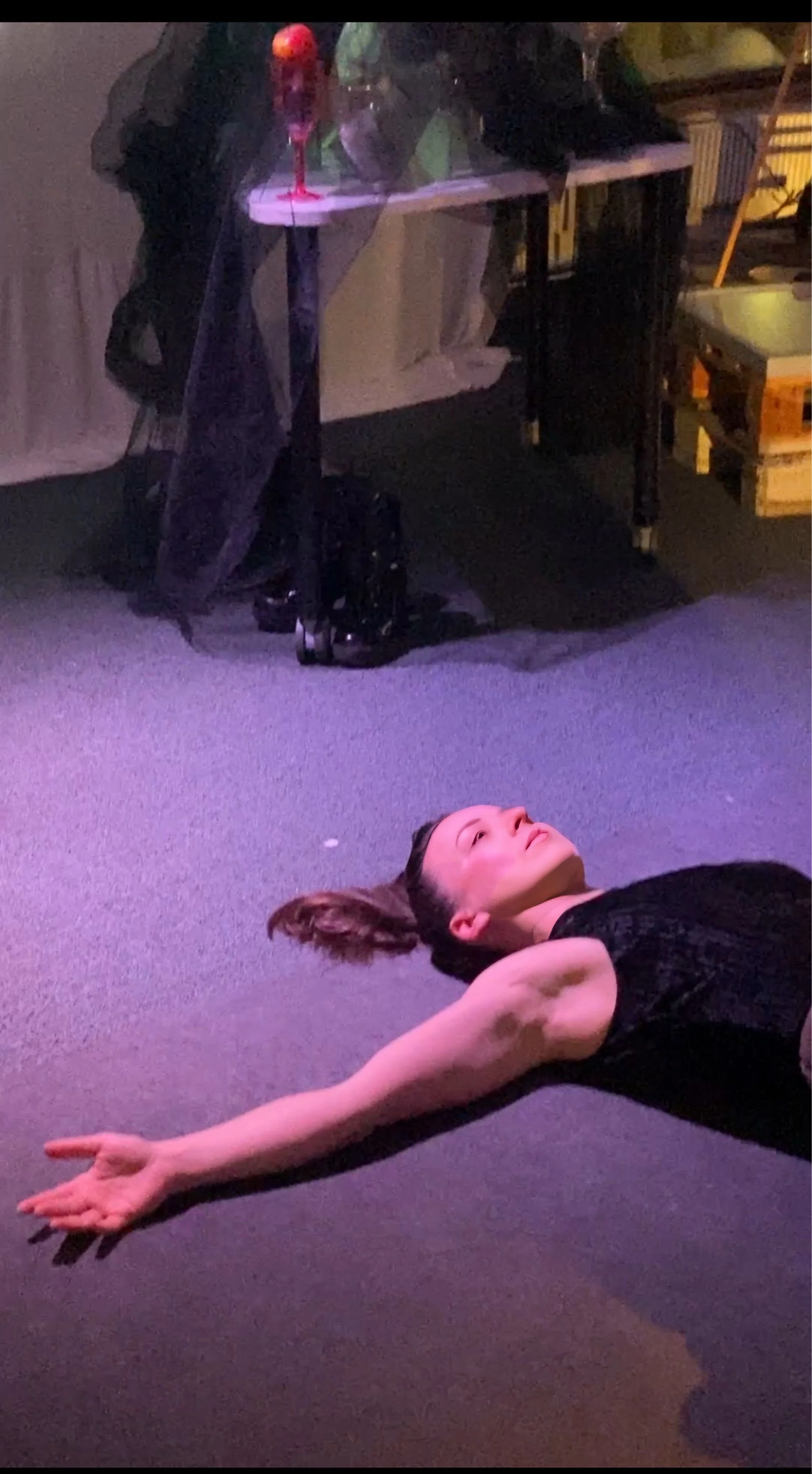
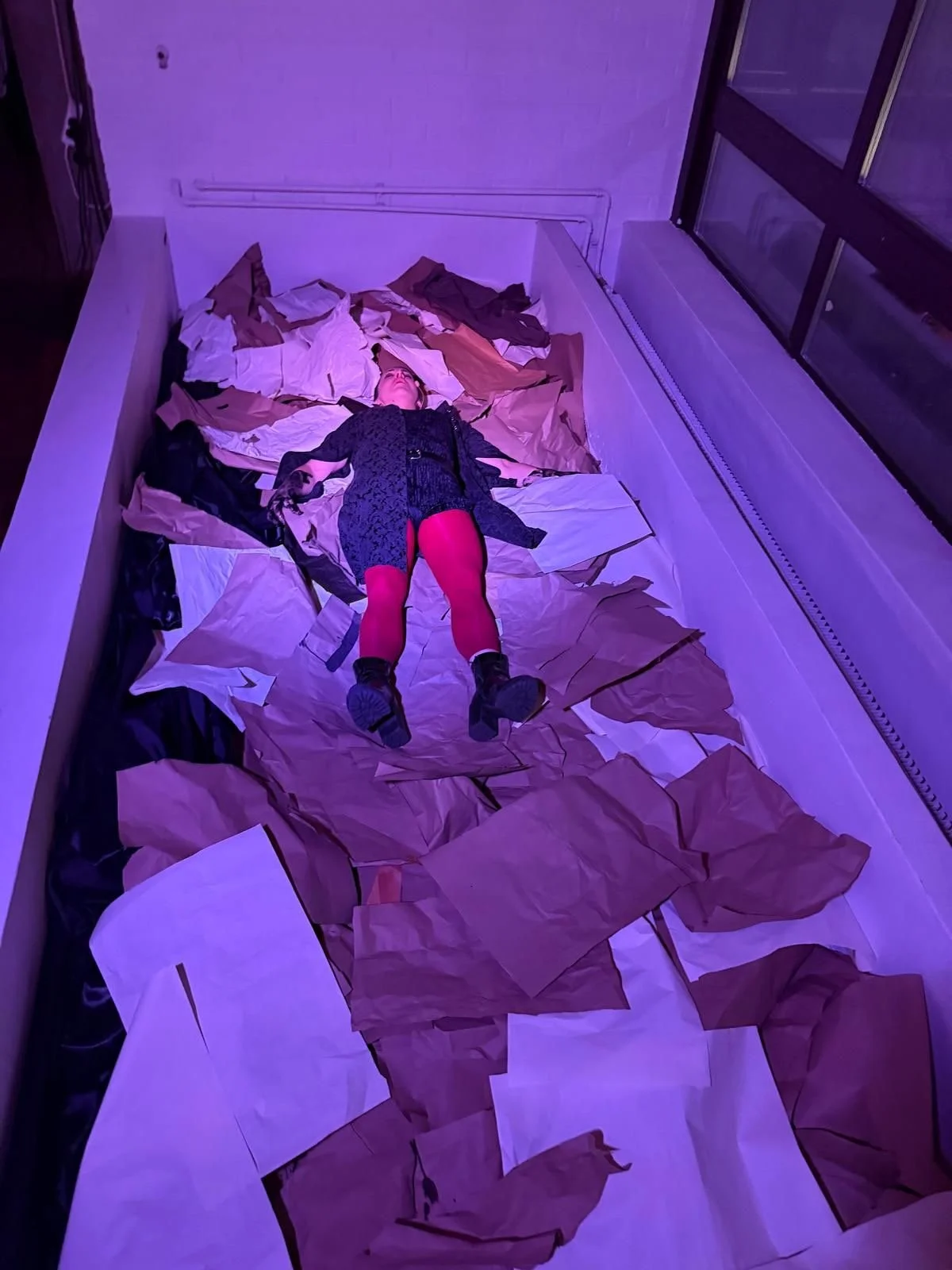
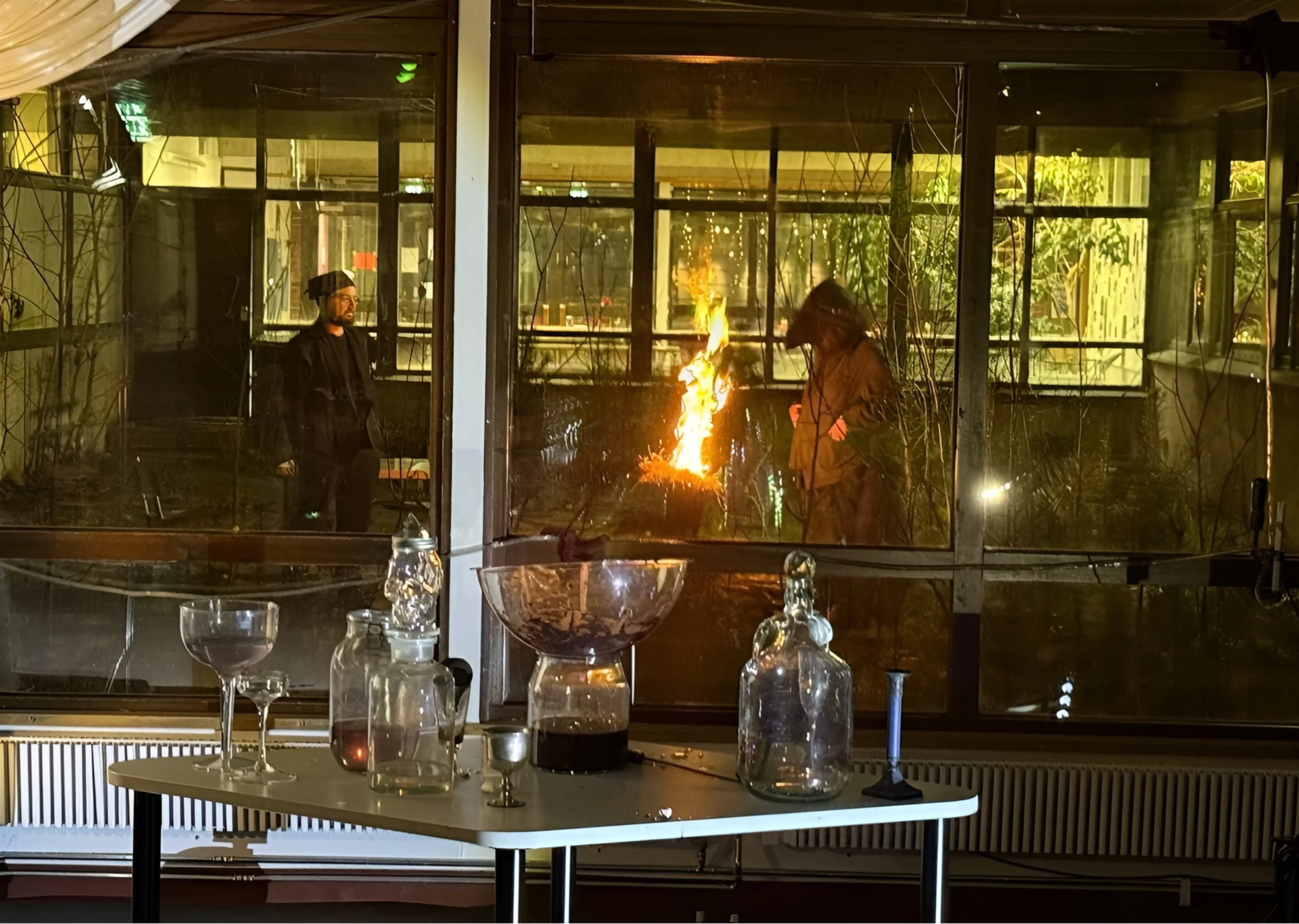
The site-specific performance, built in the old Vuosaari high school, invites the viewer into the middle of a decaying school building. It breathes dust and the past.
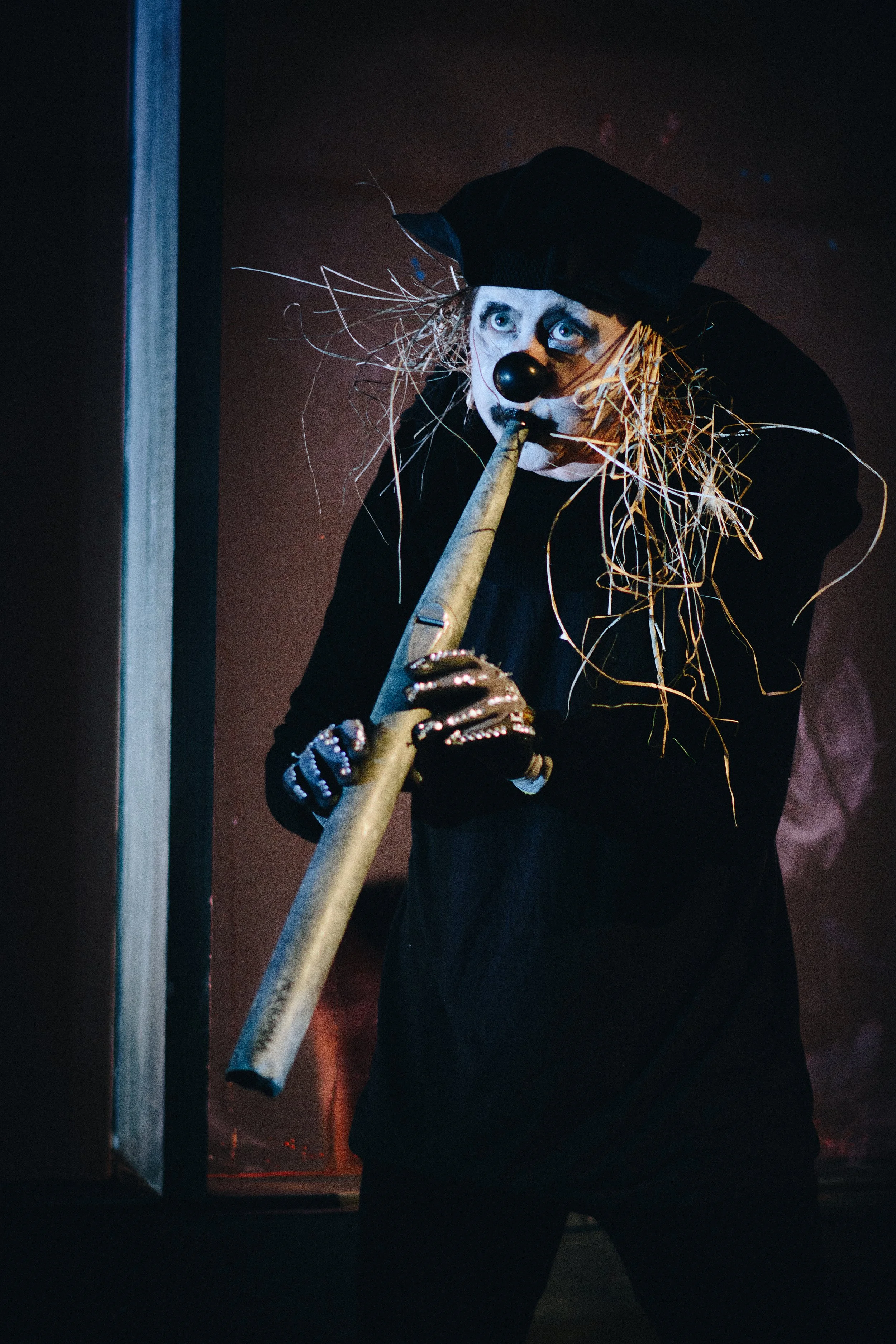
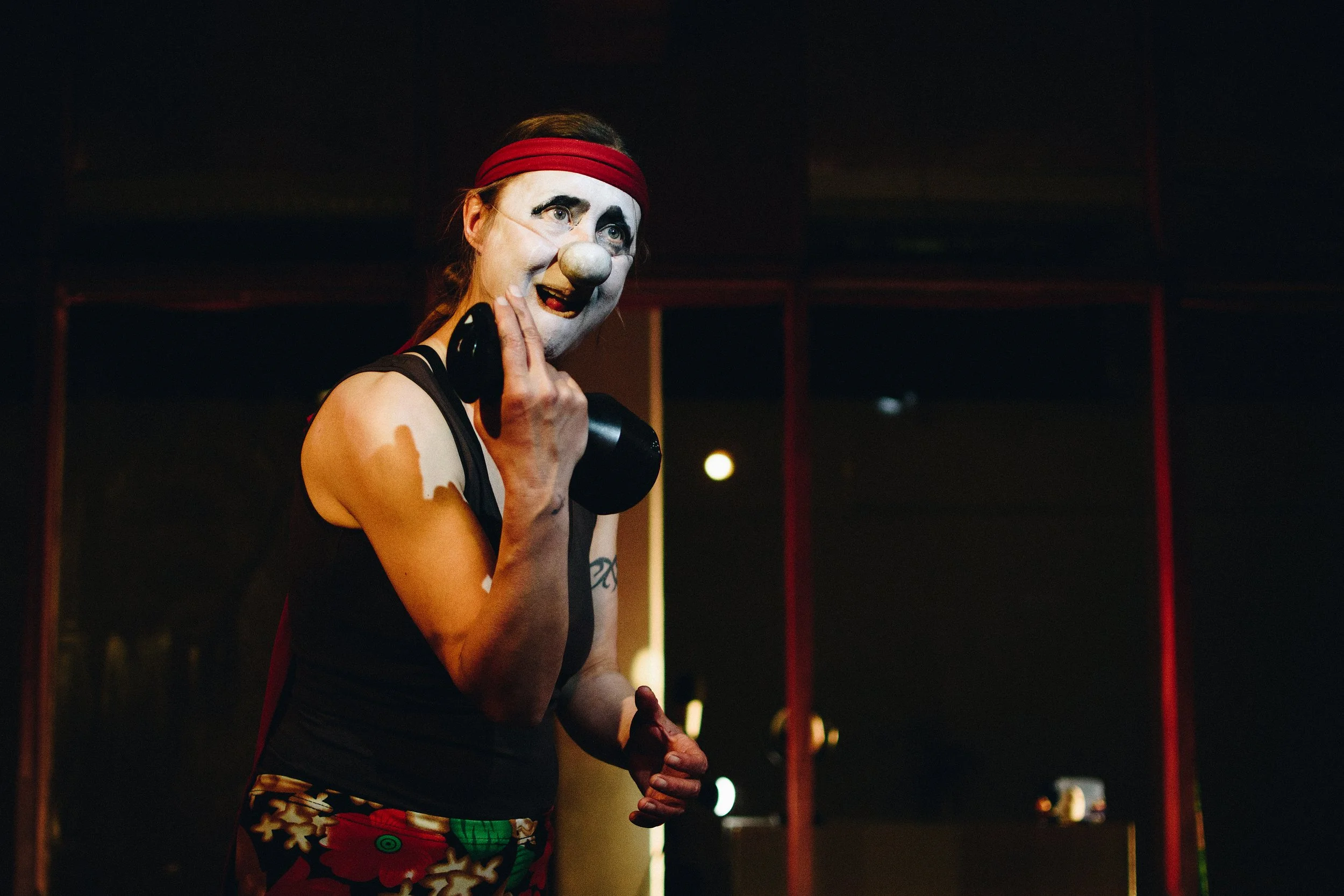
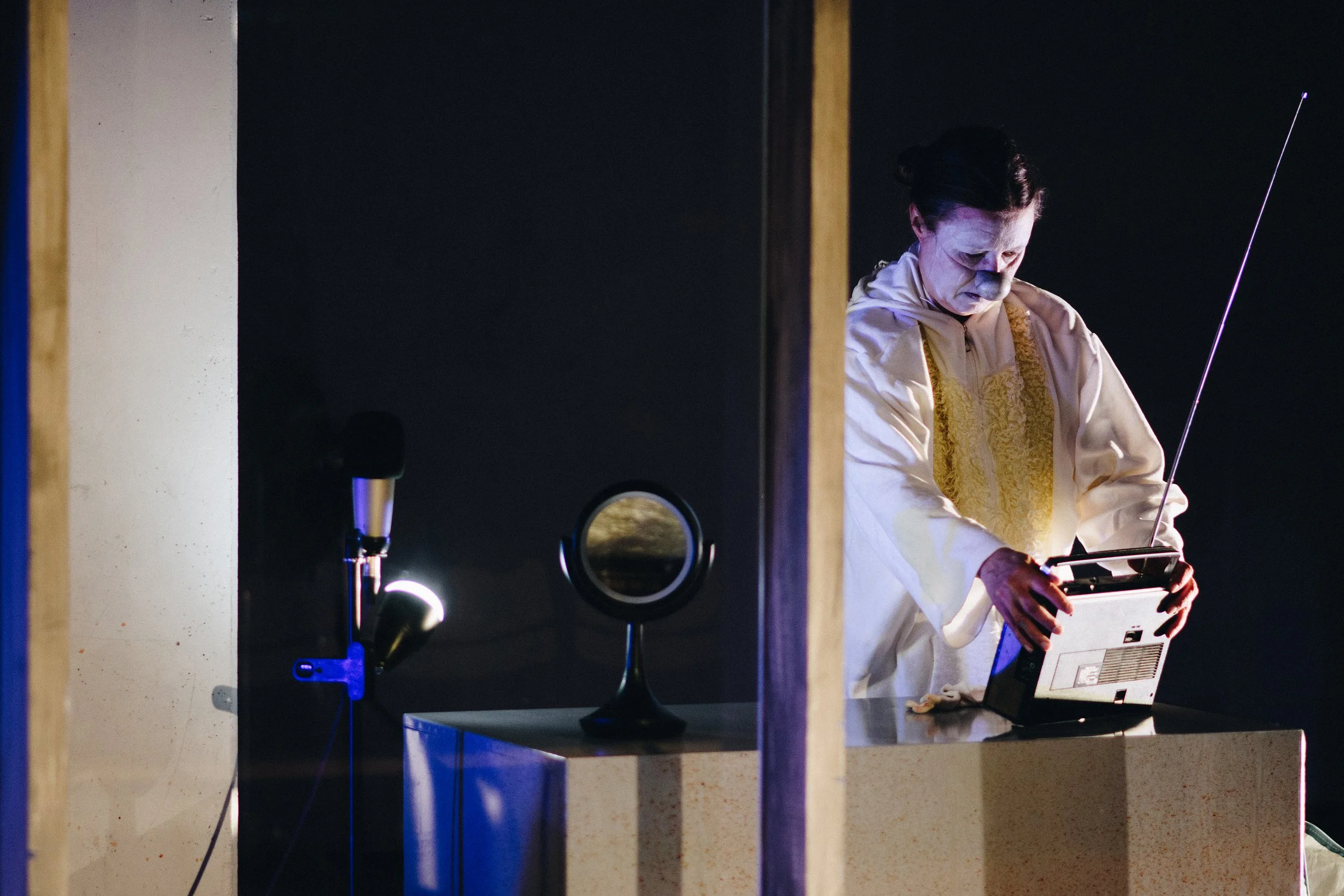
One person is seen on stage: an old clown and current institutional caretaker Myrsky Hartikainen. The school is closed and even his own future is threatened. All that remains is a warehouse full of memories – and insomnia, which eats away at the edges of reason.
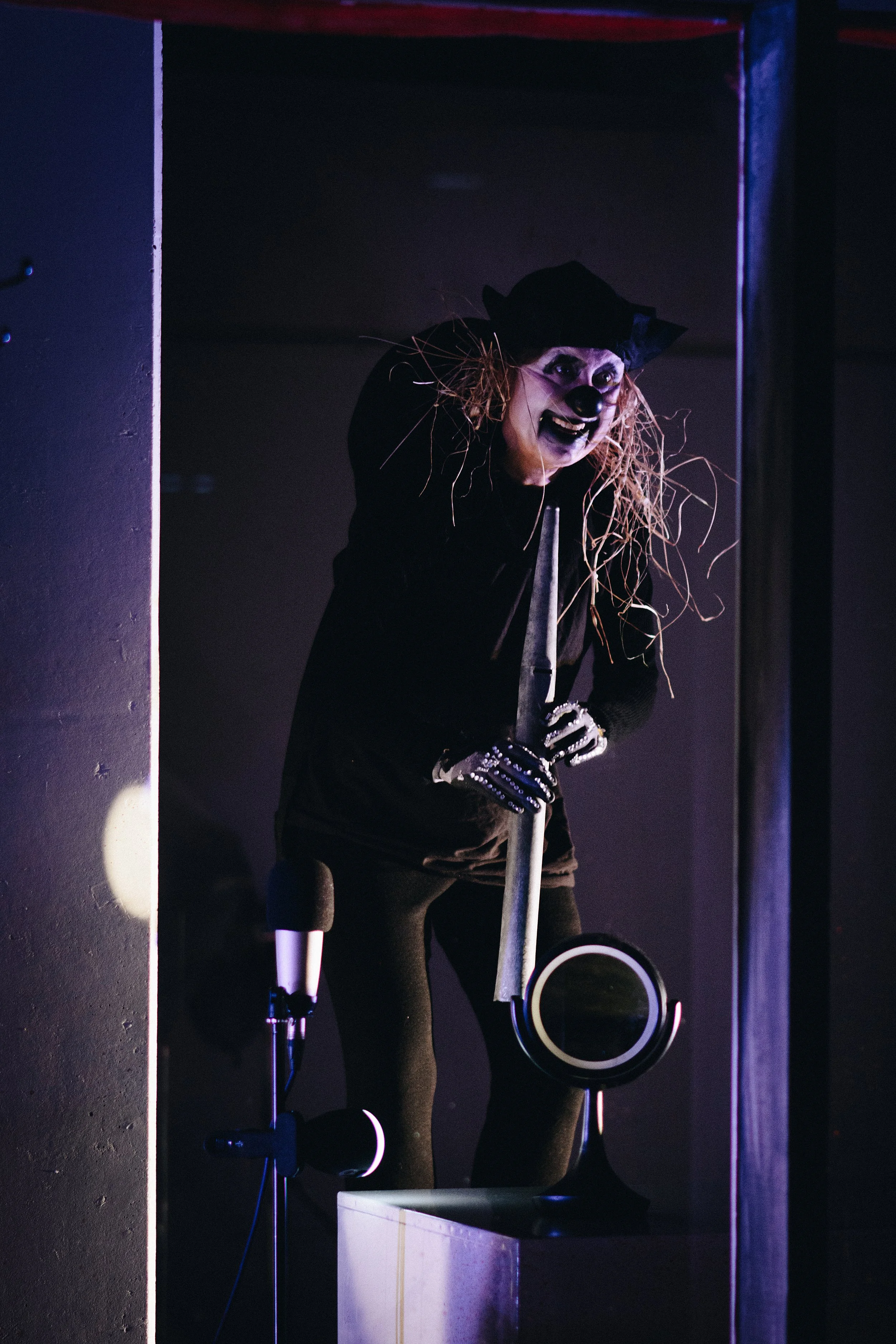
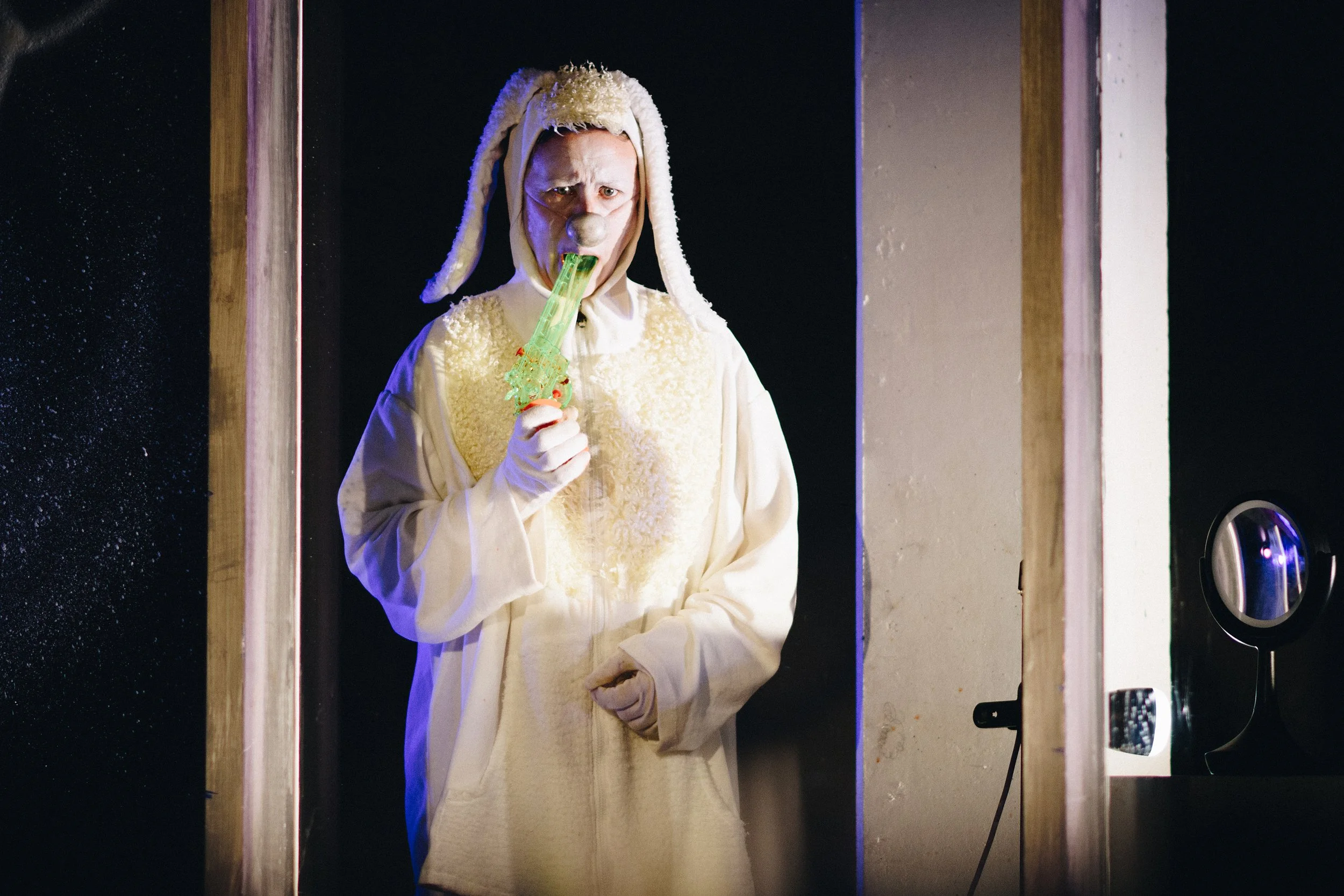
At the heart of the work is the dark clown aesthetic: nothing is sacred and everything is possible. This clown does not comfort – the clown reveals.
Direction / Screenplay: Jaakko Kiljunen
Starring Iika Hartikainen